
Who We Help · Roofing · Incorporation
Incorporating a roofing company: the liability case, and keeping the entity credible
Roofing is the clearest incorporation case in the trades: the work happens at height, sometimes with open flame, over other people's property — and one claim can exceed everything a sole proprietor owns. But the corporation only pays off if you treat it as a long-lived entity. Your insurance record, bonding history, manufacturer certifications, and workmanship warranties all attach to the company, and over time they become worth more than anything else in it.
By the AnalytIQ Accounting team · Last reviewed: August 12, 2026
Liability is the driver — everything else is a distant second
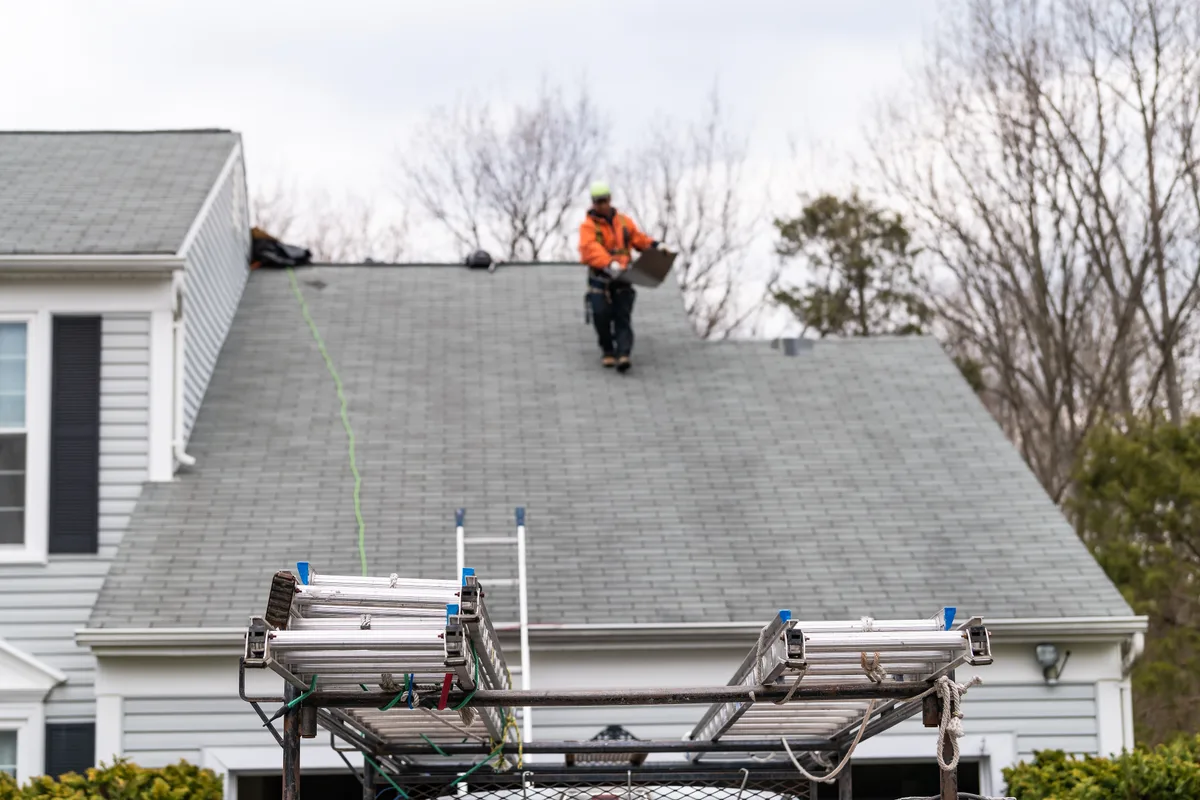
No trade has a stronger reason to get claims off the owner's personal balance sheet. A fall involving a worker or a passerby, a torch-on membrane job that starts a fire, wind damage traced to fastening, or a leak that quietly ruins an attic over two winters — these are ordinary roofing claims, and they arrive in numbers a personal net worth cannot absorb. Insurance responds first; the corporation is what contains the shortfall when a claim is excluded, disputed, or simply bigger than the policy.
The roofing-specific twist is the tail. Roof failures surface months or years after invoicing, so the entity that did the work needs to still exist, still be insured, and still be able to honour its workmanship warranty when the phone rings. That shapes everything below.
What attaches to the entity — and what still reaches you
Incorporation moves most of the business's legal life onto the company, but not all of it. Knowing which side of the line each item sits on is the core of roofing structure planning:
| Item | Where it lives after incorporation |
|---|---|
| CGL policy, additional-insured endorsements | The corporation — priced on its claims history |
| Workmanship warranties on past roofs | The corporation — they die if the entity does |
| Manufacturer installer certifications | The corporation — requalification starts over in a new entity |
| Bid and performance bonds | Issued to the corporation — but sureties take personal indemnities too |
| WSIB account and clearance certificates | The corporation, on the same payroll as before |
| Unremitted HST and payroll source deductions | Directors personally — the corporation is no shield here |
| Bank and equipment guarantees | Personal, until the company's own record replaces them |
Bonding and insurance are underwritten on the entity's record
Commercial and institutional roofing runs on bonds, and sureties underwrite the corporation: its working capital, its equity, its completed-project history. A company that keeps retained earnings on its balance sheet and files clean statements gets bid and performance bonds sized for bigger jobs; one that strips every dollar out each year stays small on paper no matter how good the crews are. Insurers work the same way — the corporation's loss runs follow it, and a clean five-year record is a genuine pricing asset in a trade where premiums bite.
The planning conclusion is unfashionable but correct: leave real equity in the roofing company. The 12.2% Ontario small-business rate on retained profit makes that affordable, and the retained cash doubles as the winter float every seasonal roofer needs anyway.
Why restarting corporations backfires
Roofing has a phoenix problem — companies that dissolve when claims or debts pile up and reopen under a new number. It fails on every front that matters. The liabilities that motivated the restart follow the directors anyway: CRA assesses directors personally for unremitted HST and source deductions, and WSIB pursues successor employers. Meanwhile everything of value resets to zero — warranty standing on every roof you ever installed, manufacturer certifications, bonding history, insurance record, and the incorporation date that GCs and property managers check during prequalification. A roofer whose corporation is older than its shingle warranties has a sales argument no startup competitor can copy.
WSIB, premiums, and the setup sequence
Roofing carries some of the highest premium rates on WSIB's schedule, and coverage in Ontario construction is compulsory for the corporation and, with narrow exceptions, for you. The one permitted executive-officer exemption excludes anyone who actually gets on a roof, and clearance certificates in the corporate name are a precondition of every GC and property-management contract you will bid. Price premiums into every quote from day one rather than discovering them at reconciliation. The setup itself runs in a fixed order: incorporate with a multi-class share structure, open the RC, RT, and RP program accounts, register WSIB and transfer clearances, move the CGL and warranty documents into the corporate name, then hand the monthly job costing to a bookkeeping routine built for progress billings. Material costs add a border dimension — shingle and steel tariffs move quotes measurably — which we cover on our cross-border tax page for roofing contractors, and the annual corporate filings run through ongoing compliance so the entity stays worth the paper it is built on.
Common questions.
Will incorporating protect me if a roof leaks two years after the job?
The claim lands on the corporation, and its insurance and warranty respond — which is exactly why the entity must stay alive, insured, and solvent. Personal exposure returns only through guarantees you signed or director liabilities like unremitted HST.
Can I just start a fresh corporation if claims and debts pile up?
It rarely works and usually costs more. Director liability for HST and source deductions follows you into the new company, WSIB pursues successors, and your warranties, certifications, and bonding history reset to zero.
Do performance bonds belong to me or my corporation?
Bonds are issued to the corporation and sized on its working capital and track record, but sureties take personal indemnities from the owners regardless. Building the company's balance sheet is what grows bonding capacity.
Related reading
Build an entity your warranties can stand on.
Book a consultation and get a plain answer on exactly what applies to you.