
Who We Help · Excavation · Incorporation
Incorporating an excavation business: financing iron, and where the iron should live
For an excavation contractor, the corporation is first a financing tool: dealers and banks advance six-figure equipment loans against a corporate balance sheet, and the company repays that principal with profit taxed at 12.2% instead of your personal rate. Once machines are paid down, the question changes — whether a holding company should own the iron, lease it back, and keep it out of reach of the claims an open trench can generate.
By the AnalytIQ Accounting team · Last reviewed: August 12, 2026
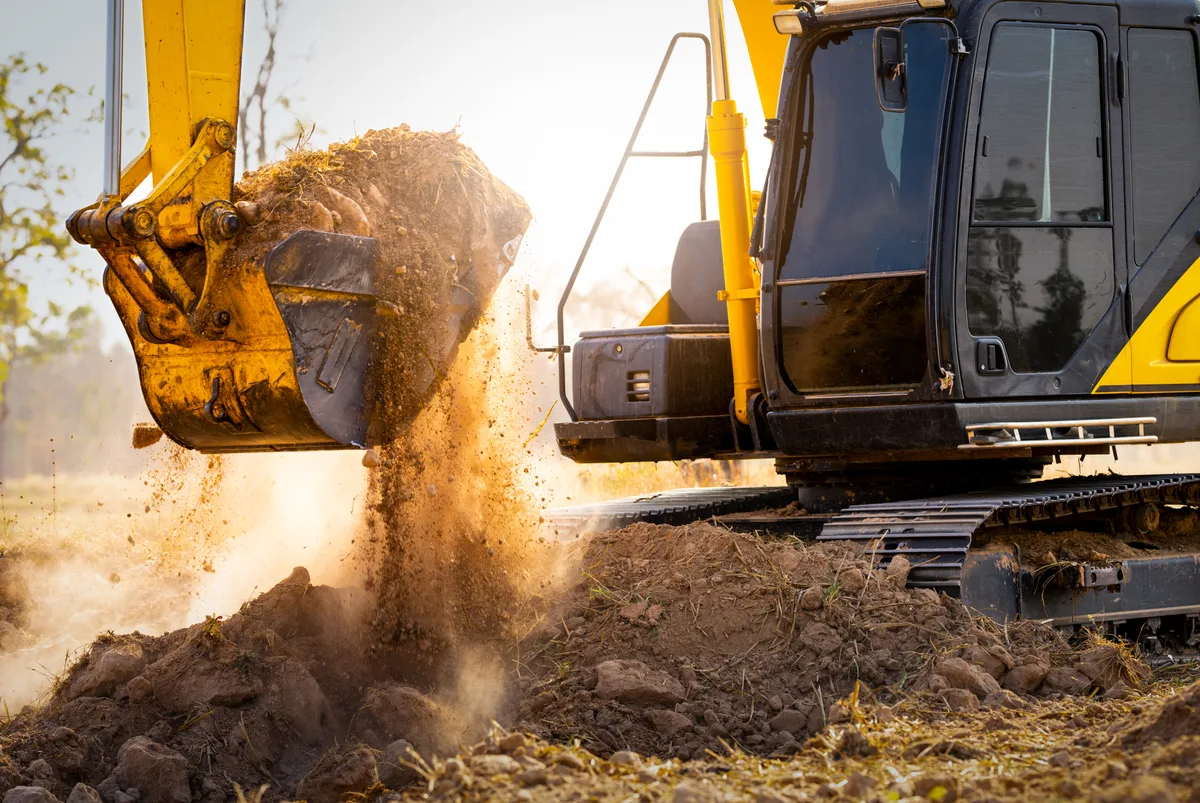
The corporation is how you afford the iron
Loan principal is repaid with after-tax dollars, and that single fact decides where excavation equipment debt belongs. Inside an Ontario corporation, profit used to pay down a machine is taxed at about 12.2% up to the $500,000 small business limit; the same repayment funded personally costs you dollars taxed at up to 53.5%. Across a fleet financed over five to seven years, the corporation is often the difference between growing the iron and servicing it forever.
The HST side matters just as much for cash flow. A registered corporation recovers the tax on a mid-size excavator as a five-figure input tax credit on its next return — money a non-registered or sloppy setup leaves stranded. Dealers finance new corporations routinely; expect personal guarantees in the early years and treat retiring them as a milestone the company's own statements eventually earn.
Opco or holdco: where the machines should sit
Excavation claims are the reason this question exists. A struck gas line, a trench collapse, an undermined foundation next door — claims like these target the operating company, and every paid-down machine sitting in it is exposed. The mature structure holds the iron in a holding company that leases it to the opco at market rates, so the fleet stands behind the corporate wall rather than inside the ring.
| Question | Iron in the opco | Iron in a holdco, leased down |
|---|---|---|
| Exposure to job-site claims | Fleet sits behind every claim | Paid-down machines sit outside the risk company |
| Financing | Simplest — lender, borrower, and asset line up | Needs lender consent; some will not lend to a non-operating owner |
| HST on the lease | None — no lease exists | Charged on rent unless a section 156 election applies |
| Small business limit | One company, full $500,000 | Associated companies share the $500,000 |
| Admin | One T2, one ledger | Two of everything, plus a lease that must be real and invoiced |
The elections that make the split workable
Two filings turn the holdco from theory into a working structure. The GST/HST section 156 election (form RC4616) lets closely related, exclusively commercial corporations treat the equipment lease as made for nil consideration — no HST invoiced between your own companies, no cash flow lag waiting on ITCs. And machines already owned by the opco move up under a section 85 rollover so the transfer itself triggers no income tax; without it, shifting an appreciated or heavily depreciated machine can create recapture in the very year you were trying to plan around.
Respect the paperwork the structure depends on. The lease is written, priced like a third-party rental, and actually invoiced monthly; the election is filed, not assumed; and the shared small business limit is planned so leasing income and operating profit together stay inside it.
Lenders come before structure
Talk to your lender before you move a single machine — financed equipment almost always carries clauses that make an unapproved transfer a default. Most lenders want the borrowing entity to own the collateral, so the practical pattern is patience: machines under loan stay in the company that financed them, and the holdco takes ownership as they pay out or buys the next machine itself where the lender agrees. Watch cross-collateralization too — blanket security that ties the whole fleet to one facility quietly defeats the purpose of separating it. A conversation with the finance arm before the reorganization usually finds a workable path; a transfer they discover afterward rarely does.
CCA, US auctions, and day one
Excavators, dozers, and loaders land in Class 38 at 30% declining balance, while tandem dump trucks rated over 11,788 kg typically reach Class 16 at 40% — worth getting right when a single machine is a six-figure entry. Fleet buys at US auctions add duty, possible tariffs, and GST at the border on top of the hammer price, which we break down on our cross-border tax page for excavation contractors. Day one itself is standard but unforgiving: incorporate with share classes that leave room for the future holdco, open the RC, RT, and RP accounts, register WSIB, insure the fleet in the corporate name, and keep the entity current through ongoing compliance. We set the structure up in the right order and keep the leases, elections, and T2s aligned as the fleet grows.
Common questions.
Should my holding company own the excavators?
Once machines are paid down or your lender consents, usually yes — the holdco leases them to the operating company at market rates, keeping the fleet outside job-site claims. A section 156 election keeps HST off the intercompany rent.
Why finance equipment through the corporation instead of personally?
Because principal is repaid with after-tax dollars, and corporate dollars are taxed at about 12.2% versus up to 53.5% personally. The corporation also recovers HST on the purchase as an input tax credit.
Does adding a holdco cost me the small business deduction?
No, but associated corporations share one $500,000 limit between them. With leasing income planned alongside operating profit, most excavation groups stay comfortably inside it.
Related reading
Structure the company before the next machine.
Book a consultation and get a plain answer on exactly what applies to you.