
Who We Help · Landscaping · Incorporation
Incorporating a landscaping company: crews, equipment, and the winter cash question
Most landscaping businesses should incorporate at crew scale — the season you field a second crew or sign your first snow contracts, not the day you buy a mower. That is when liability becomes real, equipment spending justifies the corporation's 12.2% rate, and seasonal cash needs a place to sit over winter. Your existing trucks and gear can move into the company without triggering tax, but only if the rollover is papered properly.
By the AnalytIQ Accounting team · Last reviewed: August 12, 2026
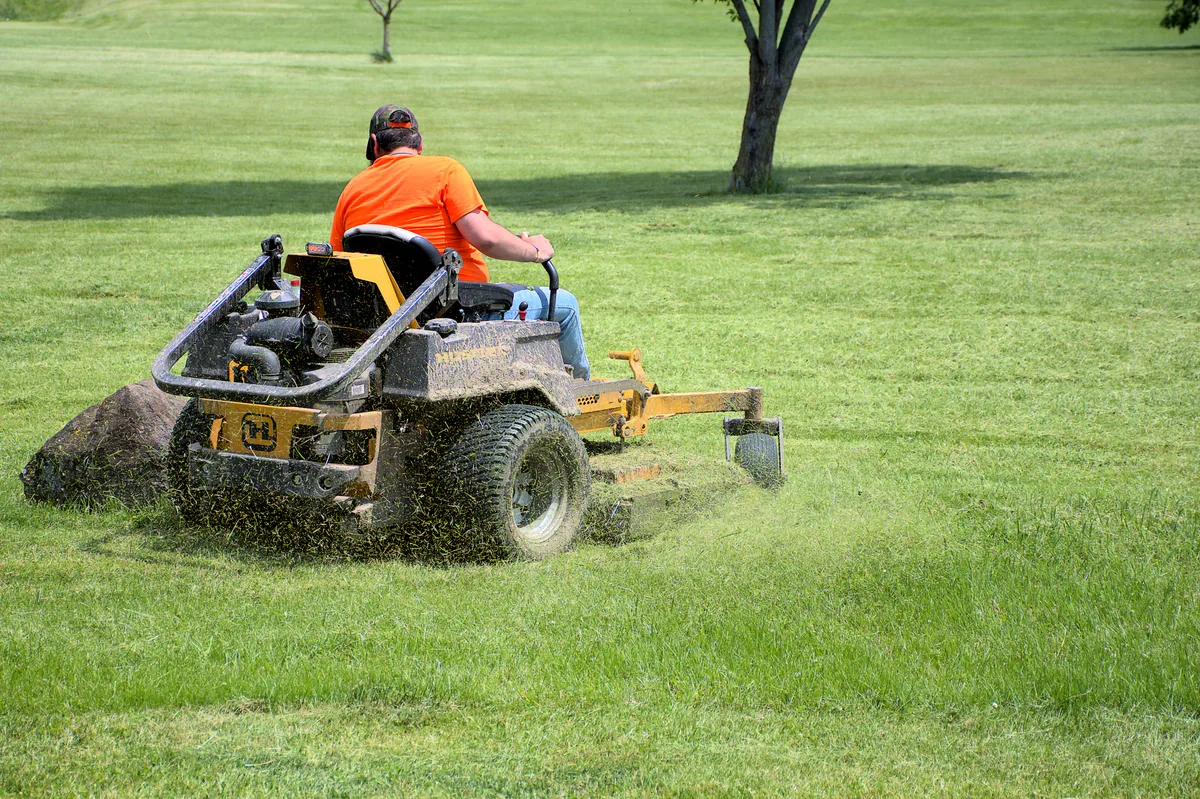
Incorporate at crew scale, not at the first mower
A solo operator with one truck and a trailer usually does fine on a T2125 — the corporation's accounting and filing costs outweigh the benefit while every dollar of profit is drawn out to live on. The calculus flips when the business outgrows you: a second crew you cannot personally supervise, employees running equipment on client property, and commercial maintenance contracts with indemnity clauses. At that point claims can arise from work you never saw, and profit starts staying in the business to fund the next truck.
Both changes favour a corporation. Retained profit is taxed at about 12.2% in Ontario up to the $500,000 small business limit, so the company buys equipment with far cheaper dollars than you could personally. And the corporate wall means a judgment lands on business assets, not your house — with your commercial general liability policy standing in front of it.
Moving your trucks and gear in tax-free
Existing equipment goes into the corporation under a section 85 rollover, which lets you transfer assets at elected amounts so no gain is triggered on the way in. Done casually — just invoicing through a new company while the truck stays in your name — you get the worst of both worlds: personal ownership of the risk assets and no clean cost base in the corporation. Done properly, the rollover sets share consideration, files the election on time, and documents what came across.
Two practical points trip people up. Equipment loans need lender consent before the debtor changes, so call the finance company before the lawyer. And when the whole business transfers, a joint GST/HST section 167 election usually keeps tax off the transaction entirely.
Own the equipment in the corporation
Once incorporated, buy new equipment in the corporate name: the company recovers HST as input tax credits, claims the depreciation, and builds a credit file that eventually shrinks the personal guarantees dealers ask for. The tax treatment varies more than most owners expect:
| Asset | Typical CCA class | What to watch |
|---|---|---|
| Trucks and trailers | Class 10 — 30% | A work truck used mainly to haul gear generally avoids the passenger-vehicle cost cap; crew cabs face a stricter use test |
| Commercial mowers, blowers, small equipment | Class 8 — 20% | Track serial numbers — insurers and buyers will ask for the list |
| Skid steers and compact loaders | Class 38 — 30% | Power-operated movable equipment gets its own class and rate |
| Plow blades, salters, attachments | Follows the machine they attach to | Winter attachments bought in fall compress cash flow — plan the HST recovery timing |
Buying US equipment at auction adds border costs on top of the sticker — duty, possible tariffs, and GST at entry — which we walk through on our cross-border tax page for landscaping companies.
Snow contracts change the liability math
Snow and ice work is where landscaping liability concentrates, and it is the strongest argument for the corporate wall. Slip-and-fall claims name the property owner and the snow contractor almost automatically, and commercial contracts push risk down to you through indemnity clauses and additional-insured requirements. Ontario's Occupiers' Liability Act now requires written notice of ice and snow injury claims within 60 days, which filters some claims — but the serious ones proceed, and they can outlast your policy limits.
The corporation confines an uninsured shortfall to business assets. That also argues for keeping appreciating assets out of the operating company: if you later buy a yard or shop, hold it separately and rent it to the opco rather than parking it behind your snow contracts.
First-year registrations and the seasonal cash plan
The setup week matters more in a seasonal trade because everything starts at once in spring. We incorporate the company, open the RC, RT, and RP program accounts, and register for HST immediately — the $30,000 small-supplier threshold disappears within weeks of the season opening, and voluntary early registration recovers HST on pre-season equipment buys. WSIB registration follows the first hire, and crew onboarding runs through the payroll setup we cover on our landscaping payroll page.
Then use the structure for what it is best at: smoothing the season. Strong summer and snow-contract profit stays in the corporation at 12.2%, you draw a level salary through the slow shoulder months, and the annual corporate filings run through ongoing compliance so the minute book stays lender-ready.
Common questions.
When should a landscaping business incorporate?
At crew scale — once you have employees working unsupervised, commercial or snow contracts with indemnity clauses, and profit staying in the business for equipment. A solo mowing operation on a T2125 usually is not there yet.
Can I move my existing trucks and mowers into the corporation without paying tax?
Yes, through a section 85 rollover at elected amounts, with a GST/HST section 167 election typically covering the transfer of the whole business. Get lender consent on financed equipment before anything changes hands.
Does incorporation protect me from slip-and-fall claims on snow contracts?
It confines claims that exceed your insurance to corporate assets rather than personal ones. Your CGL policy remains the first line of defence, and contract indemnity clauses still apply to the company.
Related reading
Set the structure before next season.
Book a consultation and get a plain answer on exactly what applies to you.