
Who We Help · Landscaping · Payroll
Landscaping payroll: seasonal ROEs, piece-rate crews, and a clean spring recall
Landscaping payroll is built around a cycle most businesses never face: staff up in March, run flat out to October, lay off in November, and hope the same crew answers the phone in April. The two things that make that cycle work are ROEs filed fast and correctly at layoff, and piece-rate pay that still clears Ontario employment standards. We run payroll for landscaping and snow companies so both hold, every season.
By the AnalytIQ Accounting team · Last reviewed: August 12, 2026
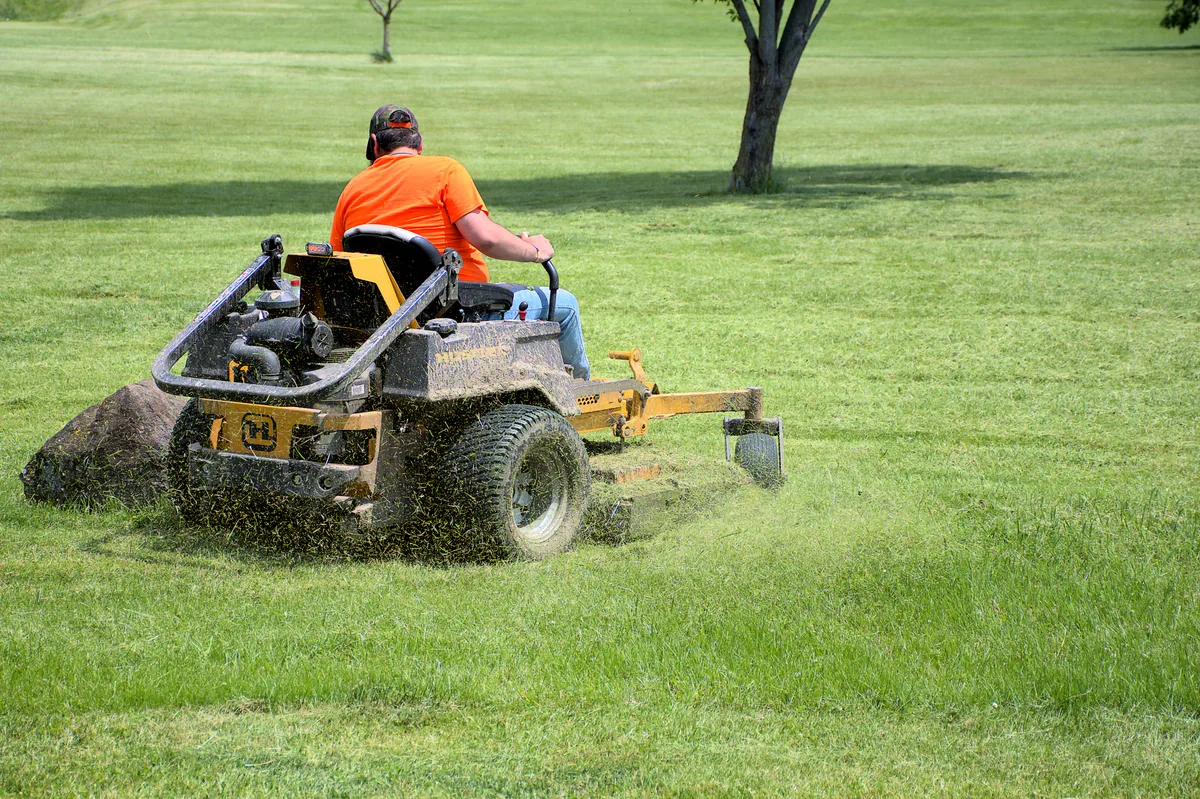
The ROE is part of the product in this trade
Every fall layoff is an interruption of earnings, and every interruption of earnings means a Record of Employment — normally coded A for shortage of work — transmitted electronically within five calendar days of the end of the pay period in which the layoff falls. File late, put insurable hours in the wrong blocks, or code the reason badly, and your crew's EI claims stall through December. Crews remember whose paperwork cost them a month of benefits, and they remember it in April when you are trying to rehire.
We batch fall ROEs the way crews batch cleanups: layoff list confirmed, final hours and vacation payouts settled, insurable hours and earnings reconciled against the payroll register before anything is transmitted. One clean filing beats a winter of amended ROEs and Service Canada callbacks. And if a crew rolls straight onto snow operations with no gap in earnings, no ROE is needed at all — converting maintenance crews to plow crews inside one continuous employment is often the cleanest outcome for everyone.
Piece rates are legal — the shortcuts around them are not
Paying a maintenance crew per property or an install crew per job is fine in Ontario, provided the arithmetic still lands on the right side of the ESA. Piece earnings divided by hours actually worked must average at least minimum wage in each pay period, which means you track hours even when nobody is paid by the hour. Vacation pay accrues on the gross piece earnings, and CPP, EI and income tax come off exactly as they would on wages. A foreman handing out flat cash per lawn is not a pay model; it is a future assessment.
One genuine quirk works in your favour: Ontario's ESA carves landscape gardeners out of several core standards, including overtime pay and public holidays. The carve-out is real but narrower than owners assume — snow plowing and hardscape work that shades into construction may not qualify — so we confirm which rules apply to each crew before your payroll leans on the exemption.
The landscaping payroll calendar
The season is predictable, so the payroll workload should be too:
| Months | Payroll work |
|---|---|
| March–April | Rehires and new hires: TD1s, rate confirmations, work-permit expiry checks, WSIB and EHT accounts reviewed before the first mow |
| May–June | Peak headcount; remittances jump — confirm CRA's remitter schedule still matches your average monthly withholding |
| July–August | Students on crews: same CPP, EI and tax as anyone else; back-to-school departures each get an ROE |
| September–October | Install push: hours climb, piece-rate averages rechecked, vacation balances trued up ahead of layoffs |
| November | Layoff ROEs batched and transmitted — or crews converted to snow operations with no interruption of earnings |
| December–February | Snow standby and on-call pay for retained crews; T4s, WSIB reconciliation and EHT returns close the year |
Seasonal and temporary foreign workers, handled honestly
Many GTA landscaping companies staff peak season through the Temporary Foreign Worker Program. The immigration side — LMIAs, permits, housing arrangements — belongs with your immigration advisor, and the program's rules shift often enough that we do not pretend to run it. What lands on payroll is ours: a SIN beginning with 9 comes with a work-permit expiry date that has to be tracked like an insurance renewal, statutory deductions run the same as for any other employee, and deductions from pay for things like accommodation are tightly restricted. The one move we will always talk you out of is paying seasonal workers as contractors to skip the overhead — it fails the classification tests and puts your access to the program at risk.
What an hour of crew time really costs
Wages are the visible layer. Employer CPP and EI, WSIB premiums, vacation accrual, and Ontario EHT once payroll clears the $1 million exemption all ride on top — and a crew hour priced without them gives margin away on every property on the route. We push burdened labour cost into the same per-crew reporting our landscaping bookkeeping builds, so you can see which routes and installs actually pay. And when mowers, skid steers and plows come up from US dealers and auctions, the duty and tax questions belong with our cross-border work for landscaping companies.
Source: Service Canada — How to complete the Record of Employment.
Common questions.
Do I have to issue ROEs every fall if I rehire the same crew in spring?
Yes — a seasonal layoff is an interruption of earnings, so each employee needs an ROE even if rehiring is all but certain. The exception is a crew that moves straight onto snow work with no gap in earnings, in which case employment is continuous and no ROE is required.
Can I pay my crews per property instead of by the hour?
Yes, piece-rate pay is legal in Ontario as long as earnings average at least minimum wage over the hours actually worked, so hours still have to be tracked. Vacation pay and source deductions apply to piece earnings the same as to wages.
Are payroll deductions different for temporary foreign workers?
Generally no — CPP, EI and income tax are withheld the same as for any employee. The payroll differences are administrative: tracking work-permit expiry dates tied to a 9-series SIN and respecting the strict limits on deductions for housing.
Related reading
Payroll that survives the season.
Book a consultation and get a plain answer on exactly what applies to you.