
Who We Help · Roofing Contractors · Cross-Border Tax
Tariffs in the quote: cross-border tax for Canadian roofing companies
The border cost in a roofing quote hides in the metal, not the shingles. As of mid-2026, the counter-tariffs Canada kept sit on US-origin steel and aluminum — panels, flashing, eavestrough, trim — while asphalt shingles stayed off the surviving lists, even though their prices moved for their own reasons. A quote that has to hold for sixty days needs to know which materials carry border risk, and a contract that meets a mid-job price jump needs language that lets you pass it through.
By the AnalytIQ Accounting team · Last reviewed: August 12, 2026
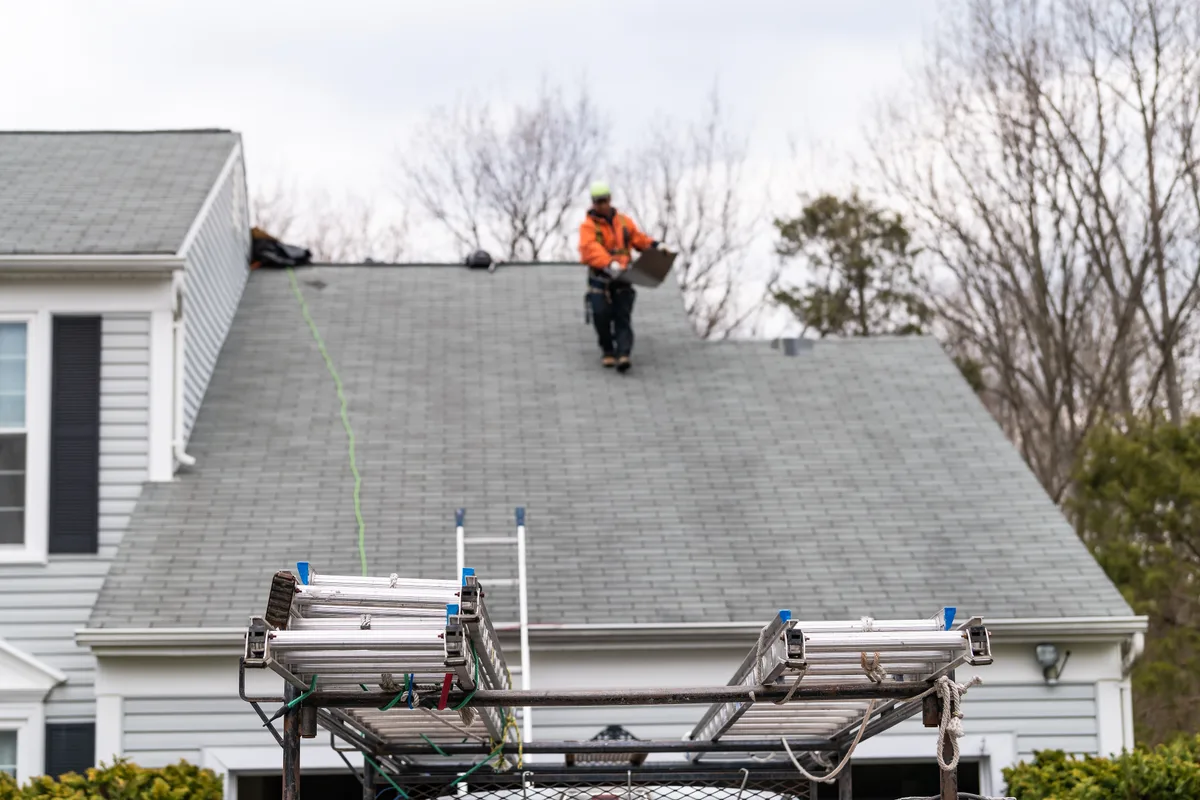
Not all roofing materials carry the same border risk
Canada kept its 25 percent surtaxes on US-origin steel and aluminum products after removing most other counter-tariffs on September 1, 2025, and in June 2026 Ottawa extended its steel measures — including tariff-rate quotas on offshore steel — for another year. For a roofing company that means the exposed lines are metal: standing-seam panels, flashing coil, aluminum eavestrough and trim, some fastener categories. Asphalt shingles are not on the surviving surtax lists, and much of the shingle supply for Ontario is manufactured in Canada anyway — but shingle pricing still tracks asphalt, freight and demand, so quiet years do not exist.
Two cautions before anyone quotes from this paragraph: surtax lists have been amended repeatedly since 2025, and tariff-rate quotas on offshore steel push up the price of Canadian-sourced metal too, because domestic mills price against protected competition. Border cost reaches your quote even when nothing you buy crosses the border.
Buying direct from US suppliers without losing the GST
Most roofers meet tariffs pre-digested inside distributor pricing. The mechanics become yours when you import direct — a metal-roofing order from a US mill, specialty membrane, a US-only accessory line. Three rules protect the margin. Origin first: only US-origin goods attract the US-goods surtaxes, and only CUSMA-originating goods enter duty-free, so where the product was made matters more than which warehouse shipped it. Second, the 5 percent GST collected on the customs value comes back as an input tax credit only when your company is the importer of record on the entry. Third, direct importing means a CARM registration with CBSA and broker statements that someone reconciles to the books — we fold that into the month-end close so claimed ITCs match what CBSA has on file.
Two smaller levers round out the direct-import file. Ottawa maintains a remission process for its surtaxes where circumstances justify relief — approvals are narrow, but specialty metal with no Canadian source is the kind of case it exists for. And USD supplier invoices need a consistent FX policy in the books: which rate applies at invoice versus payment, and job costs recorded in Canadian dollars so per-square numbers stay comparable across the season.
Pass-through that survives an argument
A tariff-driven price jump between quote and install is a contract question before it is a tax question. The quotes that survive have three features.
- Short validity windows on the material portion — thirty days is defensible when metal is quoted, even if labour holds longer.
- A material-escalation clause tied to the supplier's price at order date, with the supplier invoice as the trigger document — vague surcharges invite disputes; a documented delta ends them.
- HST on the whole amount. A tariff surcharge is part of the consideration for the job, so it is taxed exactly like the rest of the contract — do not invoice it as a tax-free pass-through.
Homeowners will push back on a surcharge they cannot see. The supplier invoice showing the increase, kept in the job file, is what turns the conversation from argument to paperwork.
| Material | Border exposure in mid-2026 | Quote practice |
|---|---|---|
| Asphalt shingles | Off the surviving surtax lists; price still moves with asphalt and freight | Normal validity window; watch supplier bulletins |
| Steel panels and flashing | 25 percent surtax if US-origin; TRQ pressure on domestic pricing | Short material validity plus escalation clause |
| Aluminum eavestrough and trim | Surtax exposure if US-origin; relief programs cover some uses | Confirm origin with the distributor before quoting |
| Underlayment, membrane, accessories | Mostly clear since September 2025; check item by item when importing direct | Importer-of-record and ITC discipline on direct orders |
Job costing tells you what the border took
Tariff cost you cannot see becomes margin erosion you cannot explain. We set up roofing books so material cost per square is tracked by job against the estimate, tariff-driven increases land in the job file rather than a generic materials account, and quarter-end shows which jobs absorbed border cost versus passed it through. That per-job discipline lives in our roofing bookkeeping service; the import mechanics, origin questions and anything else Canada-US run through cross-border tax services. Boutique firm, cloud-first, fixed fees quoted after a discovery call.
Source: Department of Finance Canada — extension of steel and aluminum tariff measures.
Common questions.
Are asphalt shingles subject to tariffs in 2026?
Not on the surviving Canadian counter-tariff lists, which centre on US-origin steel, aluminum and vehicles. Shingle prices have still climbed for supply-chain reasons, and the lists have been amended more than once — so we verify before any big commitment rather than assuming.
Can we add a tariff surcharge to a job we already signed?
Only if the contract allows it — which is why quotes on metal-heavy jobs need short material validity windows and an escalation clause tied to supplier pricing. And the surcharge takes HST like every other dollar of the contract.
We only buy from Canadian distributors. Does any of this apply to us?
The tariff is already inside your distributor price, and quota protection lifts domestic metal prices too. The file matters most when you quote long jobs in a moving market — and becomes fully yours the day you import direct.
Related reading
Quote with the border priced in.
Book a consultation and get a plain answer on exactly what applies to you.