
Who We Help · Hair Salons · Tax Services
Hair salon and barbershop tax: your chair model decides every return in the shop
A salon is not one business for tax purposes — it is however many chairs it has. Whether your stylists are employees or chair renters decides who reports the haircut revenue, who charges the HST, and who files a T2 versus a stack of T2125s. And one EI rule unique to barbering and hairdressing makes the shop owner a deemed employer even for renters who are genuinely self-employed. We sort the model first, then file everything that follows from it.
By the AnalytIQ Accounting team · Last reviewed: August 12, 2026
The chair model decides who files what
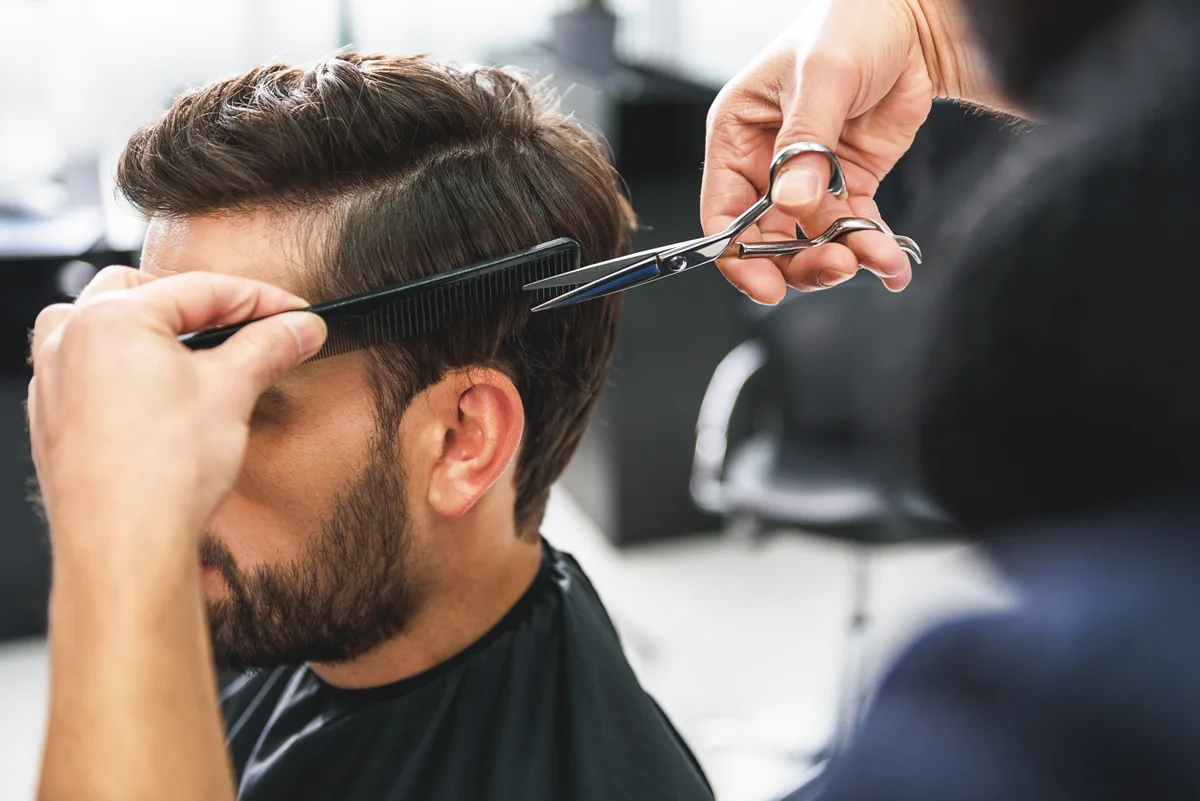
With stylists on payroll, the salon owns every dollar: all service and retail revenue lands in the salon's books, wages are its biggest expense, and an incorporated shop files one T2 claiming the small business deduction on its first $500,000 of active profit. With chair renters, the salon's revenue shrinks to rent plus retail — each renter is a separate business reporting their own service income on a T2125, paying both halves of CPP, and deducting their chair rent, colour, and shears. Most GTA shops run a hybrid, which is where returns go wrong: a junior on wages beside two renters means three taxpayers sharing one till. We map who owns which dollar before anyone files anything.
HST splits at the chair
Haircuts are taxable — there is no personal-care exemption — but who charges the 13% depends on who made the sale. A registered salon charges HST on services performed by its employees, on retail product, and on the chair rent itself, because licensing space in a commercial premises is a taxable supply, not exempt rent. Each renter then runs their own $30,000 small-supplier test, measured over four consecutive calendar quarters. A full-time barber clears it quickly and must register, charge 13%, and file their own GST/HST returns — at which point the HST on their chair rent comes back as an input tax credit. A part-timer under the threshold can legally charge nothing while the next chair charges 13%; we help renters decide whether voluntary registration is worth it before clients notice the price gap.
One shop, two tax systems
| Tax question | Stylist on payroll | Chair renter |
|---|---|---|
| Income reporting | T4 employment income | T2125 business income (or their own T2) |
| HST on services | Salon charges and remits | Renter charges once registered |
| HST on chair rent | Not applicable | Salon charges 13%; renter claims the ITC if registered |
| CPP | Withheld at source, employer matches | Both halves paid on the T1 |
| EI | Standard premiums | Still EI — the shop owner is the deemed employer |
The EI rule almost every shop misses
The Employment Insurance regulations put barbers and hairdressers working in an establishment into insurable employment even when they are self-employed chair renters. The owner of the establishment is the deemed employer: you remit both the worker's and employer's shares of EI premiums and issue each renter a T4 with employment code 13 showing insurable earnings — no income tax withheld, no CPP, just EI. Where you do not know a renter's actual earnings, the regulations set a deemed weekly amount to remit on. Shops that treat renters as pure tenants skip this entirely, and a CRA payroll exam then assesses several years of both premium shares plus penalties against the owner. The rule is specific to barbering and hairdressing — an esthetician renting the back room is not caught — so mixed shops need the roster split correctly.
Tips, retail, and the year-end file
Controlled tips — added to the bill, pooled and paid out by the salon — are pensionable and insurable, and flow through payroll like wages. Direct tips handed to the stylist belong to the stylist to report; employees who want CPP credited on them can elect to contribute using form CPT20. Renters' tips are simply part of their business income, and voluntary gratuities carry no HST. Retail rounds out the file: product sales take 13% HST and a year-end inventory count, while backbar colour and developer consumed in services are supplies, not cost of retail goods. From there we handle the shop's T2 or the owner's T2125, owner pay planning, instalments, and the source-deduction accounts described on our salon payroll page. If you import professional lines from US distributors, duty and landed costs get their own treatment on our salon cross-border tax page.
Common questions.
Do chair renters have to charge HST on their services?
Once a renter passes $30,000 of revenue over four consecutive calendar quarters they must register and charge 13% HST. Below that they are a small supplier and can stay unregistered, though registering voluntarily recovers the HST paid on chair rent and supplies.
Do I charge HST on the chair rent I collect?
Yes, if the salon is registered. Licensing a chair in commercial premises is a taxable supply, not exempt rent, so 13% applies — and a registered renter claims it back as an input tax credit.
My barbers are self-employed — why am I remitting EI for them?
The EI regulations deem the owner of a barbering or hairdressing establishment to be the employer of the people cutting hair there, employees or not. You remit both EI premium shares and issue a T4 with employment code 13; CPP and income tax stay the renter's own responsibility.
Related reading
Every chair filed the right way.
Book a consultation and get a plain answer on exactly what applies to you.