
Who We Help · Hair Salons and Barbershops · Cross-Border Tax
Salon cross-border tax: product imports, and the chair-rent rules that matter more
For most salons and barbershops the cross-border file is one flow: colour, product lines and tools coming north from US distributors. The rules are short — 5 percent GST at the border that you recover only if your shop is the importer of record, and duty decided by where the goods were made, not who shipped them. The bigger dollars on a salon file are domestic: HST on chair rent and a special EI rule that makes you the deemed employer of self-employed barbers and hairdressers.
By the AnalytIQ Accounting team · Last reviewed: August 12, 2026
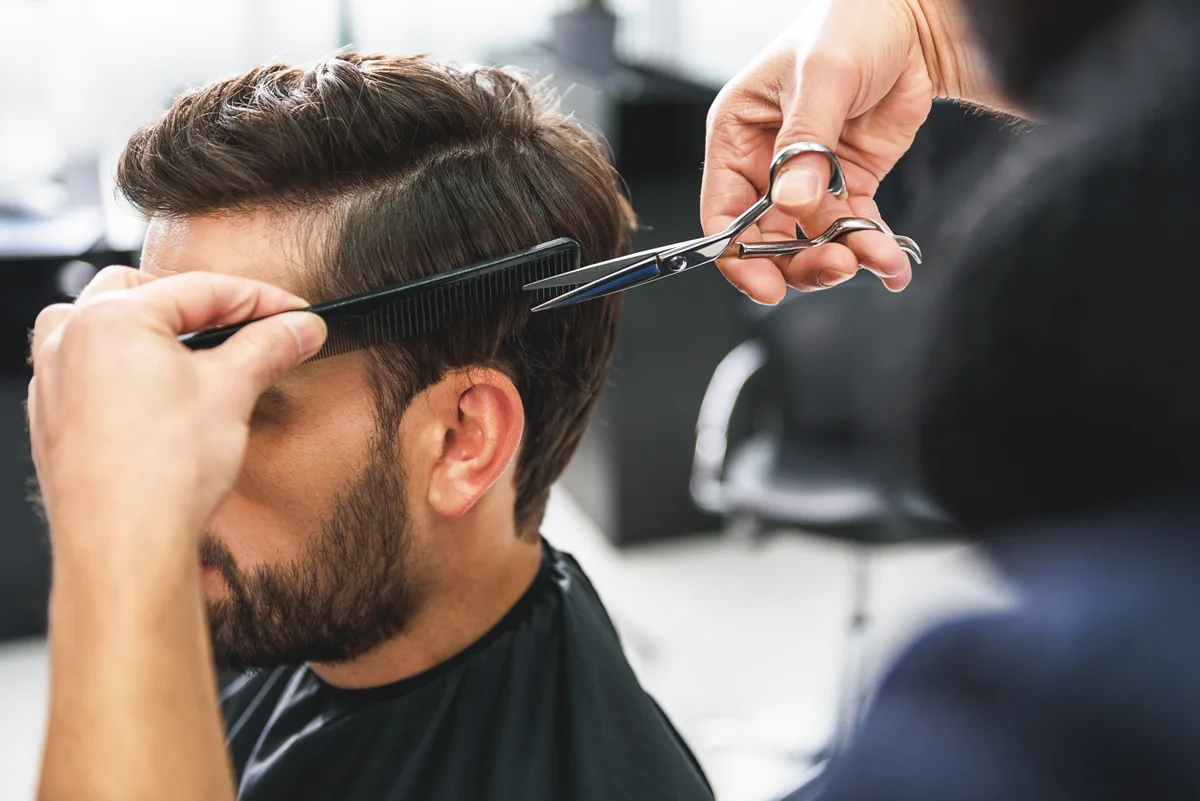
What US product orders actually cost at the border
Every commercial shipment of colour, developer, styling product or retail stock pays 5 percent GST on the Canadian-dollar value at the border. For a registered salon that is a full input tax credit — but only when the customs entry names your business as importer of record. Orders cleared under a courier's or distributor's consolidated account are where that 5 percent quietly becomes a cost instead of a recovery. Duty is a separate question, and it follows origin: a US warehouse address means nothing if the product was manufactured in Europe or Asia. Genuinely US- or Mexican-made goods enter duty-free under CUSMA with origin certification; offshore-made goods pay the rate for their tariff class.
Clipper and trimmer brands are a small bright spot — the classic barber tool makers still manufacture in the US Midwest, so those imports usually qualify for CUSMA preference. Keep the origin statements your supplier provides; they are the paperwork that backs the duty-free claim.
One trap specific to this trade: product bought in person at a US trade show and carried home in luggage is still a commercial import. Declare it as goods for your business at the crossing — the GST charged there is claimable as an input tax credit when you keep the accounting document the border officer issues, while undeclared stock is both a customs problem and an expense with no paper trail behind it.
The 2025 tariff lesson: origin paperwork is the control you own
Canada's counter-tariff rounds in 2025 put a 25 percent surtax on many US consumer goods — cosmetics and personal-care products included — and then removed it for CUSMA-compliant goods that September. Salons that could prove origin saw the cost come off; salons buying through mixed-origin distributors often could not tell what they were paying. The takeaway is not a prediction about the next round. It is that landed cost per product line belongs in your books — price, freight, brokerage, any surtax — so a retail shelf that stops earning its margin shows up in the numbers, not at year end.
Chair renters: the file with real dollars in it
Most cross-border questions we get from salon owners end up being domestic ones, and the chair-rent structure is the biggest. Renting a chair is a taxable supply — HST applies to the rent you charge, and each renter is an independent business with their own $30,000 small-supplier threshold for registering. Then EI adds a rule unique to this industry: self-employed barbers and hairdressers working in your establishment are insurable, the establishment owner is deemed the employer, and you remit the EI premiums and file a T4 with employment code 13 — even for a genuine chair renter who sets their own prices and books their own clients.
| Working arrangement | HST | Payroll obligations |
|---|---|---|
| Employee stylist on wages or commission | No HST between you — their services are your sales | Full source deductions, T4, tips handling |
| Chair renter (barber or hairdresser) | You charge HST on the chair rent; renter registers once past $30,000 | Deemed employer for EI — premiums remitted, T4 code 13 |
| Renter in another trade (esthetician, lash tech) | HST on the room or station rent, same as above | No deemed-employer rule — ordinary employee-vs-contractor tests apply |
Get the matrix wrong in either direction and it costs money: treating true employees as renters invites a CPP/EI assessment with penalties, while missing the barber rule means years of unremitted premiums that CRA collects from the establishment, not the renters.
The honest close
A salon with no US revenue has no US filings — the border file above is the whole cross-border story, and it is mostly a discipline problem, not a planning problem. The recurring wins live in the domestic structure: chair-rent HST, the EI deemed-employer rule, tips and retail margin, all covered by our salon and barbershop tax services. When a real cross-border question lands — an owner with US status, a US brand partnership, a second location across the border — the full practice is at cross-border tax services. Boutique firm, fixed fees quoted after a discovery call.
Common questions.
Do we pay duty on professional colour lines bought from a US distributor?
Only if the product is not CUSMA-originating — duty follows where goods were made, not the ship-from address, and many US-branded lines are manufactured offshore. The 5 percent border GST applies either way and is recoverable when your salon is the importer of record.
Do we really pay EI for chair renters who run their own books?
For barbers and hairdressers, yes — EI deems the establishment owner to be the employer of self-employed workers in the shop, so you remit premiums and file a T4 with employment code 13. The rule is specific to this industry and catches many owners at audit.
Should we charge HST on chair rent?
Yes — chair or station rent is a taxable supply, so a registered salon charges HST on it. The renter recovers it as an input tax credit once they register, which they must do after passing $30,000 in revenue over four quarters.
Related reading
Imports, chair rent and payroll, sorted.
Book a consultation and get a plain answer on exactly what applies to you.