
Who We Help · Nail Salons · Tax Services
Nail salon and esthetician tax: the $30,000 line, the T2125-or-T2 call, and product math
Most esthetics businesses hit their first real tax decision at $30,000 of revenue, not at year-end: that is where HST registration stops being optional. The second decision is whether the business belongs on a T2125 or inside a corporation, and the third is keeping retail product and backbar consumables from blurring into one expense line. We handle all three, in that order, for solo techs and multi-chair salons.
By the AnalytIQ Accounting team · Last reviewed: August 12, 2026
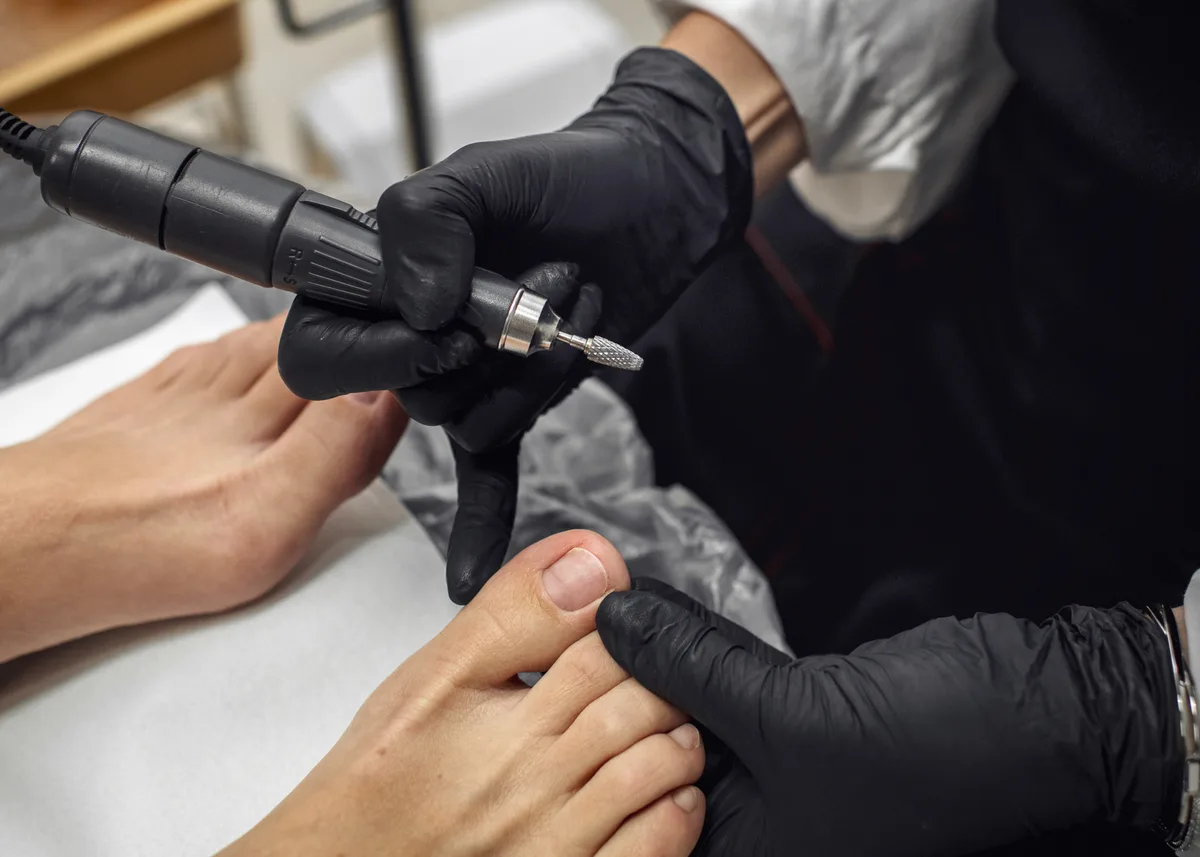
The $30,000 threshold is where most estheticians start
Nail and esthetics services are fully taxable for GST/HST — unlike psychotherapy or other newly exempted health services, there is no exemption for personal care. What protects a new tech is the small-supplier rule: stay under $30,000 of worldwide taxable revenue across four consecutive calendar quarters and you do not have to register or charge tax. The test rolls continuously, and there is a sharper edge inside it — blow past $30,000 within a single quarter and you are registrable immediately, not next month. Crossing means a 13% price increase to a clientele of consumers who cannot claim it back, so we watch the rolling number and plan the crossing deliberately: sometimes registering voluntarily early is smarter, because it unlocks input tax credits on gel systems, lamps, chairs, and room rent from day one.
T2125 or T2: decide by the numbers, not the vibe
A sole proprietor reports on a T2125 inside their personal return; a corporation files its own T2. The right answer follows the cash. If you spend most of what you earn, the corporation's low rate on retained profit buys you nothing and adds filings. If you are banking surplus, hiring, or signing a storefront lease, incorporation starts paying for itself.
| Question | Sole proprietor (T2125) | Corporation (T2) |
|---|---|---|
| Tax on profit | Your personal marginal rate on everything | Small business deduction rate on profit left in the company |
| Paying yourself | Draws — no extra step | Salary or dividends, planned each year |
| Startup losses | Offset your other income now | Trapped in the company until it has profit |
| CPP | Both halves on net earnings | Only on salary you choose to pay |
| Admin load | One return | T2, corporate records, separate HST account |
When incorporation is the answer, our incorporation service sets up the company and the accounts in one pass.
Product is two different expenses
Polish, skincare, and cuticle oil sold off the shelf are inventory: you deduct cost of goods sold, which means a year-end count and costing what actually sold, not what you bought. Acetone, monomer, gel, files, and wipes consumed in services are supplies, deducted as used. Blending the two distorts both numbers CRA tests — retail margin and supplies-to-service ratios — and a markup analysis on retail is a standard audit move in this industry. We also book personal use and shrinkage out of inventory honestly, because a shelf count that never shrinks is its own red flag. If you buy US brands, duty and exchange belong in landed cost; the import side lives on our nail salon cross-border tax page.
Staff, renters, and whose tax is whose
Employees mean T4s, source deductions, and the salon reporting every service dollar. Room and table renters mean the salon reports rent — charging 13% HST on it once registered — while each renter files their own T2125 and runs their own small-supplier test. Note that the special EI deemed-employer rule that catches barbershops does not extend to estheticians, but ordinary misclassification still does: call someone a renter while setting their hours and keeping their client list, and CRA can assess retroactive CPP, EI, and penalties. Tips paid directly to a tech are the tech's income to report; tips pooled and paid out by the salon run through payroll.
The year-end file
By filing season the pieces should already reconcile: HST returns tied to POS totals, inventory counted, renter rent invoiced with tax. On a T2125 we layer in business-use-of-home for home studios, vehicle costs for mobile techs, and CCA on lamps, chairs, and sterilizers. On a T2 we plan owner compensation, instalments, and the small business deduction. Clean monthly records make all of this cheap — which is the argument for the routine on our nail salon bookkeeping page.
Common questions.
Do I charge HST if I earn less than $30,000 a year?
No — below $30,000 of taxable revenue over four consecutive calendar quarters you are a small supplier and may stay unregistered. You can register voluntarily to claim input tax credits on equipment and rent, which often makes sense just before a big buildout.
Are nail or esthetics services ever HST-exempt?
No. Personal-care services are taxable at 13% in Ontario regardless of where they are performed. The health-care exemptions cover listed professions like psychotherapy, not esthetics.
How do I deduct the product I buy?
Two ways. Product for resale is inventory — deducted as cost of goods sold when it sells, which requires a year-end count. Product consumed in services is a supplies expense when used. Keeping them separate protects you in a retail markup audit.
Related reading
Tax filed as carefully as a gel set.
Book a consultation and get a plain answer on exactly what applies to you.