
Who We Help · Breweries and Distilleries · CFO Advisory
Brewery CFO services: know your cost per hectolitre in every channel
Every decision in a brewery or distillery eventually lands on two numbers: what a hectolitre truly costs to make — ingredients, packaging, excise, labour — and what each sales channel pays you for it. Our fractional CFO work for craft producers builds that costing brand by brand, plans the taproom-versus-distribution mix deliberately, and turns tank purchases from acts of optimism into capacity math.
By the AnalytIQ Accounting team · Last reviewed: August 12, 2026
Per-hectolitre economics, brand by brand
Cost per hectolitre is only useful when it is complete and split by brand and format, because a hazy IPA in printed cans and a lager in kegs are financially different products from the same brewhouse. We build the full stack for each: malt, hops, and yeast at contract prices; packaging, where cans, printed film or labels, and PakTechs routinely rival the ingredients; federal excise duty; direct labour and utilities allocated per batch. Two structural facts shape the model. Beer excise is levied per hectolitre with reduced tiered rates on a domestic brewer's early annual volumes, so effective duty per hectolitre shifts as you grow. Spirits duty is levied per litre of absolute alcohol with no comparable small-producer tier federally, which is why a distillery's duty line weighs so much heavier than a brewery's.
Once each SKU carries its true cost, rationalization gets honest: the beloved specialty brand that ties up a fermenter for twice as long and sells in the most expensive package is usually the one the spreadsheet has been quietly subsidizing.
Taproom versus distribution: the same beer at very different margins
A pint sold over your own bar earns several times what the same litres earn through retail, because you keep the retail margin, the distribution cost, and the cash arrives the moment it is poured. But the taproom is capped by seats and opening hours, while distribution scales — thinly. The mix is therefore a strategy decision, not an accident of whoever called last, and we plan it with a channel table refreshed as prices and listings change:
| Channel | Revenue character | What we watch |
|---|---|---|
| Taproom pints | Highest revenue per hectolitre, cash on pour | Seat utilization, pour cost, staffing to the traffic curve |
| Taproom cans to go | Retail price without a retailer | Fridge velocity; release cadence that keeps regulars returning |
| Own online store | Direct margin plus delivery cost | Order economics after picking and shipping |
| LCBO and grocery | Volume at wholesale-style margins | True net per hectolitre after retail margin and delivery; listing performance |
| Licensee keg accounts | Mid-margin, relationship-driven | Keg float and losses; receivables from bars on terms |
| Contract brewing for others | Sells spare capacity, not brand | Pricing above full cost, not just above ingredients |
Two footnotes matter here. Provincial beer taxes and retailer margins are already baked into what the LCBO remits, so we model every channel on the cheque you actually receive, never the shelf price. And kegs deserve special mention: they are capital assets that leave the building and drift away one patio at a time, so the fleet gets counted, tracked, and priced into the keg channel's real margin.
Tank time is the real constraint
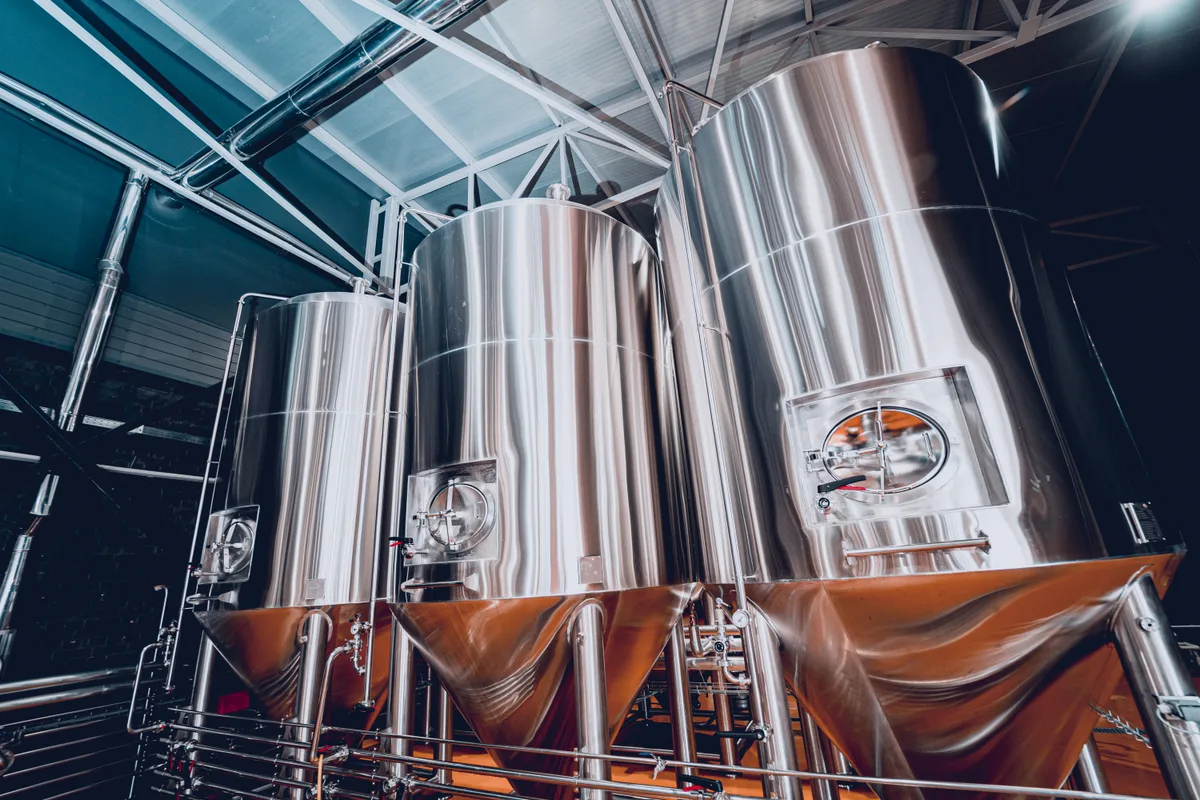
A brewery's annual capacity is brew length multiplied by turns per fermenter, which makes tank-days — not litres — the scarce resource, and every brand consumes them at a different rate; a lager can occupy a fermenter two or three times as long as a quick-turning ale. Before anyone orders another tank, we answer the prior question: is the constraint actually the cellar, or is it the packaging line, or is it sales? Buying fermenters to solve a sales problem just stores the problem colder. Where demand is genuinely proven, we model the capex with financing, installation, and the working capital that fills the new tanks; where it is not yet proven, contract brewing — out to test a market, or in to monetize your own spare tank-days — is the cheaper experiment.
Excise, cash, and the border
Excise is a licensed, scheduled obligation, and the books have to know where duty has and has not been paid: brewers remit as packaged beer moves out for sale, while distillers can defer duty in an excise warehouse until product ships — a structural cash advantage worth planning around. The other cash giants are hop contracts, can purchases, and canning runs, so the 13-week forecast we maintain is built around those events rather than smooth monthly averages; the daily records underneath come from our brewery bookkeeping service. On the border side, cans and equipment sourced from US suppliers carry tariff and FX exposure that belongs in your per-hectolitre cost, and selling into the US adds TTB label approval and state-by-state distribution rules — our brewery cross-border tax page walks through both directions.
Source: CRA — Excise duty rates.
Common questions.
What should a hectolitre cost to produce?
There is no single benchmark — format and brand dominate the answer, since packaging and tank time vary so much. The discipline that pays is full costing per brand, including excise, packaging, and allocated labour, refreshed as contracts change.
Is the taproom really worth the attention?
Yes. It is the highest revenue per hectolitre you will ever see, it pays cash instantly, and it doubles as the launch lab for new brands — but it is capped by seats and hours, so it needs distribution planned alongside it.
When should we buy more fermenters?
Only when the cellar is genuinely the constraint and demand is proven at full-cost pricing. If sales or packaging is the real bottleneck, contract brewing your overflow — or selling your spare tank-days — is the cheaper answer.
Related reading
Price every hectolitre like you made it.
Book a consultation and get a plain answer on exactly what applies to you.