
Who We Help · Breweries and Distilleries · Cross-Border Tax
Selling south, canning north: cross-border tax for breweries and distilleries
Exporting beer or spirits to the US is mostly a paperwork business, and the paperwork pays. Product you export leaves Canada without excise duty and zero-rated for GST/HST, and a TTB foreign-producer registration lets you assign reduced US excise rates to your importer — real money, especially on spirits. The expensive surprise usually travels the other way: aluminum cans, still caught in counter-tariffs. We run the excise, treaty and structuring layers on both flows.
By the AnalytIQ Accounting team · Last reviewed: August 12, 2026
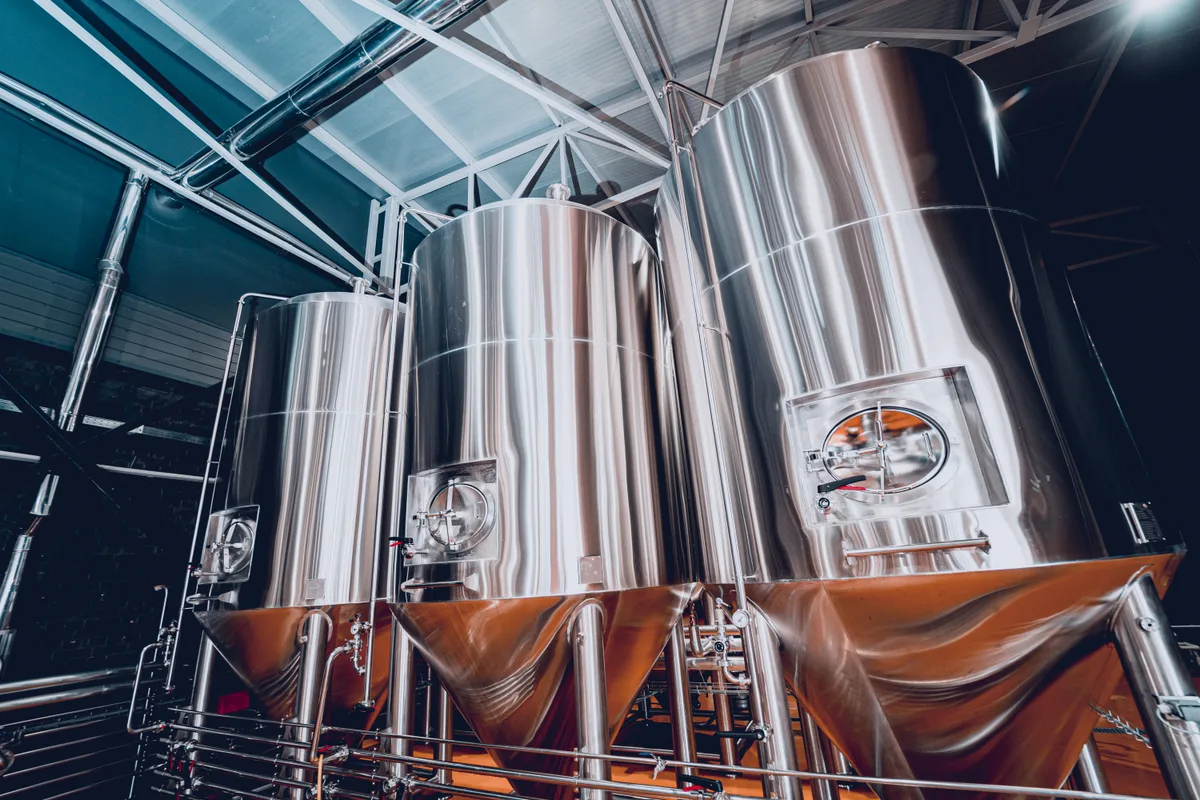
Canadian excise stops at the border — if the paper trail holds
Excise duty is a production levy, but product a licensee exports ships without Canadian excise duty, and export sales are zero-rated for GST/HST — your input tax credits stay intact. The condition is evidence: keep proof-of-export documentation tied to each shipment, because your monthly excise returns (the K50B for beer, the B266 for spirits) have to reconcile production, duty-paid domestic sales and non-duty-paid exports, and CRA audits the gap. On the domestic side, the relief measures were extended again in April 2026: the annual inflation adjustment on alcohol excise rates stays capped at 2 percent, and the rate on the first 15,000 hectolitres of beer brewed in Canada remains cut by half — planning inputs for any brewery deciding how much volume to send south versus sell at home.
The US run: importer, permit, label, prior notice
You cannot sell direct into the US three-tier system; a Canadian producer's route runs through a US importer, and the division of labour is worth writing down before the first pallet moves. The importer holds the federal Basic Permit, obtains a certificate of label approval (COLA) for each label, pays federal excise at entry and deals with state-level registration through distributors. Your side: register your facility with the FDA (with a US agent for service), supply the label and formulation data the COLA process needs, and make sure every shipment gets its prior notice.
| US obligation | Who carries it | Notes |
|---|---|---|
| Federal Basic Permit (importer) | Your US importer | No US entity means no self-importing — the importer relationship is the market entry |
| COLA label approval, per label | Importer files; you supply artwork and data | Budget lead time before launch SKUs |
| FDA food-facility registration and prior notice | The brewery or distillery | Requires a US agent for service of process |
| Federal excise at entry | Importer pays the full rate at the border | Reduced rates arrive later, as a TTB refund |
| CBMA reduced-rate refund | Importer claims; you register and assign | myTTB foreign-producer registration, assignments per calendar year |
CBMA: register, assign, and price it into the deal
The Craft Beverage Modernization Act gives imported product the same reduced federal excise rates US producers enjoy — but only if the foreign producer assigns them. For beer that is 16 dollars US per barrel instead of 18 on assigned volumes; for spirits it is 2.70 dollars US per proof gallon instead of 13.50 on the first 100,000 proof gallons — a spread of 10.80 that can decide whether a Canadian craft spirit is priced competitively on a US shelf at all. Mechanics matter: since 2023 the importer pays the full rate at entry and recovers the difference as a refund from TTB, so register as a foreign producer in myTTB, make the assignment before the shipments move, and negotiate up front whether the benefit lands in your price or the importer's margin. An unassigned year is money nobody gets back.
Cans: the tariff line that moved the P and L
While the export file earns money, the can file has been costing it. Canada's counter-tariffs on US steel and aluminum goods remain in force, the 473-millilitre tall can that dominates craft packaging is barely made in Canada, and can costs have jumped sharply for many producers since 2025. Three disciplines keep it manageable. Confirm origin on every can quote — the surtax targets US-origin goods, so non-US-origin cans bought through a US broker may escape it entirely. Put tariffs and duty into inventory unit cost, not a lump expense line, so margin per SKU stays honest. And recover the 5 percent border GST on packaging by keeping your company the importer of record.
Contract brewing in the US: no border, new tax questions
At some volume, brewing US-market beer at a US partner brewery beats shipping it — no freight, no cans crossing, and no Canadian excise because the product is never made here. But the structure decides the tax. License your brand to the US brewer and the return comes home as royalties, with treaty withholding of 10 percent and a simple Canadian file. Own the beer as your inventory and sell it into US distribution and you are carrying on a US business — permanent establishment analysis, an 1120-F (protective or otherwise), state income and franchise taxes, and, if a US subsidiary makes sense, transfer pricing between the two companies. We model both routes against real volumes before you sign, because unwinding the wrong one mid-contract is expensive. The domestic layers underneath — excise returns, markup programs, SR and ED on process work — live with our brewery and distillery tax services, and the treaty and structuring practice behind this page is at cross-border tax services.
Source: Department of Finance — Extending alcohol excise duty relief (April 2026).
Common questions.
Do we pay Canadian excise duty on beer or spirits we export?
No — product exported by the licensee ships without Canadian excise duty, and the export sale is zero-rated for GST/HST. The condition is documentation: proof of export tied to each shipment, reconciled on your K50B or B266 returns.
What is a CBMA assignment actually worth?
On beer, 2 dollars US per barrel (16 instead of 18). On spirits, 10.80 dollars US per proof gallon on the first 100,000 — the difference between 13.50 and 2.70. You must register in myTTB as a foreign producer and assign the benefit to your importer, who claims it as a refund from TTB.
Do we need a US company to sell into the US?
No — the standard route is a US importer holding the federal Basic Permit, with COLAs per label and state distribution handled downstream. A US subsidiary only enters the picture when contract brewing or owned US distribution makes you a US business, and that is a structuring decision to model first.
Related reading
Excise handled on both sides of the line.
Book a consultation and get a plain answer on exactly what applies to you.