
Who We Help · Breweries and Distilleries · Bookkeeping
Brewery and distillery bookkeeping: excise, kegs, and three prices for one beer
The same hectolitre of beer earns wildly different money depending on whether it pours in your taproom, ships to the LCBO, or fills a licensee keg — and the excise on it was owed the day it was packaged, not the day it sold. Brewery and distillery books have to mirror production: duty accrued from the packaging log, keg deposits held as liabilities, ingredients costed by batch, and margin reported per channel.
By the AnalytIQ Accounting team · Last reviewed: August 12, 2026
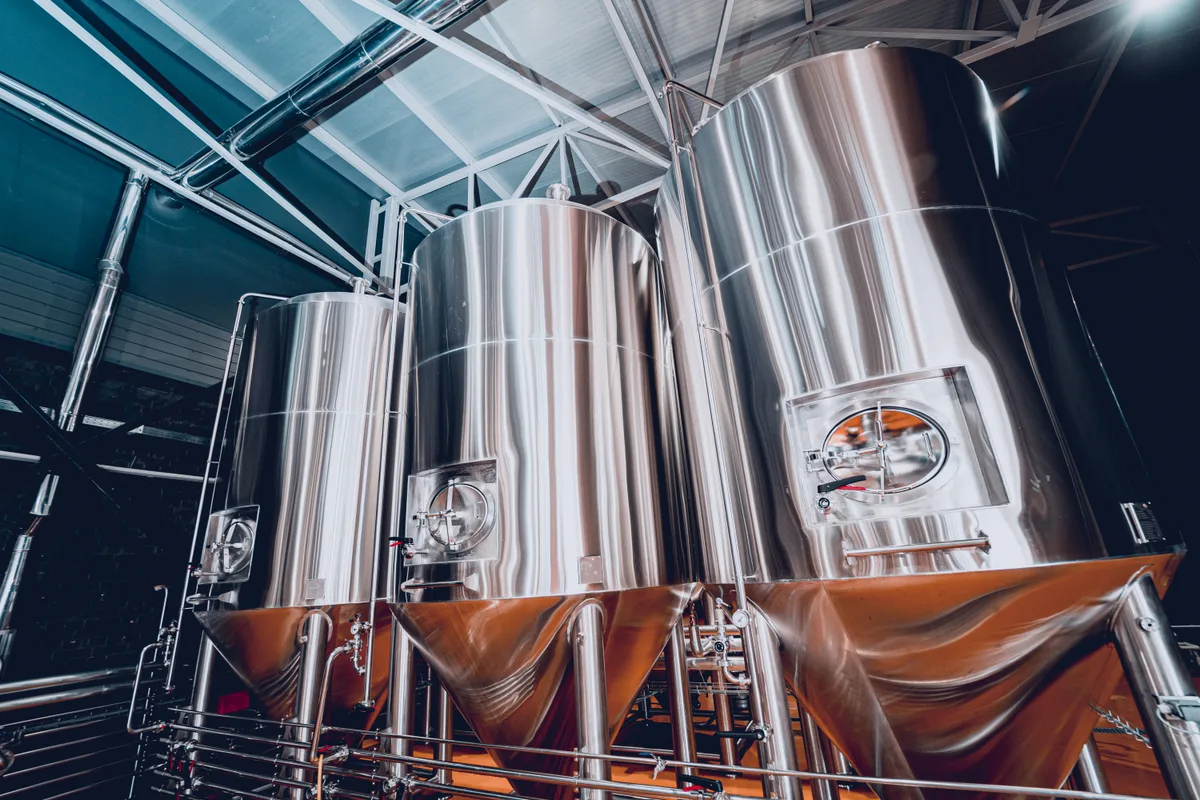
Excise accrues at packaging, not at sale
Excise duty on beer is triggered when it is packaged, which means your duty liability grows with every canning run whether or not a single can has sold. We build the monthly excise accrual straight from the packaging log — litres packaged, by product — so the ledger carries the liability in the month it arose and the return is a report, not a research project. Canadian craft brewers benefit from graduated reduced rates on their first 75,000 hectolitres of annual production, and because the rate steps up through volume tiers, the books need running year-to-date packaged volume to apply the right rate to each month.
Spirits run on a parallel track under the Excise Act, 2001: duty is calculated per litre of absolute ethyl alcohol, and timing follows packaging and warehouse movements rather than sales. Either way, the principle is the same — the excise line in the ledger must reconcile to production records, because that is exactly what CRA checks it against.
Three prices for the same beer
Channel mix decides whether a brewery makes money, so revenue posts by channel and every channel gets its own margin per litre.
| Channel | What you net | What we watch |
|---|---|---|
| Taproom pints and flights | Full retail with HST — the best revenue per litre in the building | Daily POS close, tips through a clearing account, pour cost |
| Retail store and online DTC | Retail less card fees and shipping | Can and label cost per unit against the sticker price |
| LCBO and The Beer Store | A wholesale settlement after the board’s markup structure | Settlement statements reconciled line by line to shipments |
| Licensee direct — bars and restaurants | Invoice price on terms, plus a keg deposit held as a liability | Receivables aged; keg float tracked by account |
Reported per litre, the channels stop being debatable. Taproom growth is usually worth more than another wholesale listing, and the ledger should be able to prove it — or disprove it — for your specific mix.
Kegs: an asset fleet with a liability attached
Kegs are capital equipment that leaves the building every week. The fleet sits on your balance sheet as an asset; the deposits customers pay sit on the other side as a liability, refundable when steel comes home. Neither is revenue. We keep a keg count by customer alongside the deposit ledger, so the two move together — and when a keg stops coming back, the write-off and the forfeited deposit get booked deliberately instead of drifting. An honest keg ledger also answers a very practical question: whether slow summer fills are a sales problem or just an empty-float problem.
The taproom adds one more inventory wrinkle: beer that pours without ringing — samples, staff pints, event giveaways — still has to be relieved from finished goods. We route it through a promo and samples account at cost, so pour cost stays truthful and the gap between litres packaged and litres sold has a name instead of becoming phantom shrink.
Grain to glass: batch costing that feeds pricing
Ingredients move through three inventory stages — raw materials when the malt and hops arrive, work in progress while the batch ferments and conditions, finished goods at packaging — and the batch is the costing unit the whole way. Malt, hops (often on multi-year USD contracts), yeast, adjuncts, and packaging materials roll into a cost per hectolitre per batch, which is the number every price list and every LCBO submission should be tested against. Distillers add barrel-aging to the picture: spirit resting in wood is working capital measured in years, and the books should show what is sleeping in the racks, not just what shipped.
The monthly close a brewer can act on
Each close ties the taproom POS to the bank, reconciles LCBO settlements and licensee receivables, trues up the excise accrual against the packaging log, updates keg and inventory counts, and reports margin by channel per litre — all in QuickBooks Online with supplier invoices flowing through Dext. The border runs through this niche more than most: USD hop contracts, aluminum can costs shaped by tariffs, and US export ambitions with TTB label approval waiting at the gate. We cover that side in our brewery cross-border tax guide, and the full close routine lives on our bookkeeping services page.
Common questions.
When do we actually owe excise duty?
The liability arises when product is packaged, not when it sells — so we accrue duty monthly from the packaging log. Canadian craft brewers get graduated reduced rates on the first 75,000 hectolitres of annual production, which makes year-to-date volume tracking part of the books.
Are keg deposits revenue?
No — they are a refundable liability that mirrors your keg fleet. A deposit only becomes income when the keg is genuinely gone and written off, and booking that deliberately keeps both the fleet count and the balance sheet honest.
Why report margin per litre by channel?
Because taproom, retail, LCBO, and licensee sales net very different amounts for the same beer. Per-litre channel margins turn decisions like taproom expansion versus another wholesale listing into arithmetic instead of argument.
Related reading
Books that mirror the brewhouse.
Book a consultation and get a plain answer on exactly what applies to you.