
Who We Help · Bakeries · CFO Advisory
Bakery CFO services: margin is set by the recipe, not the register
A bakery’s profit is decided long before a sale happens — in the recipe card that sets ingredient cost, in the channel that sale runs through, and in the equipment decision that sits on the balance sheet for years. Our fractional CFO work for bakery owners keeps recipe costs current against flour and butter swings, prices wholesale and retail as the different businesses they are, and puts real numbers behind the next oven or the next location.
By the AnalytIQ Accounting team · Last reviewed: August 12, 2026
Recipe costing is the margin control panel ingredient swings keep resetting
Flour, butter, and egg prices do not move on your schedule, and a bakery that prices once a year is pricing against costs that no longer exist by spring. We build a live cost-per-unit for core lines — bread, laminated pastry, cake by tier — so a meaningful move in a major input shows up as a specific number against a specific product, not a vague sense that "food cost feels high." That is what turns a supplier price increase into a same-week menu decision instead of a discovery three months later in the financials.
Waste belongs in the same model. Day-olds marked down, trays that never sold, and cake tastings that never turned into an order are all real costs sitting inside the recipe margin, not outside it — we track a weekly waste percentage alongside the cost-per-unit numbers so a creeping markdown rate shows up as a specific, addressable line rather than a vague feeling that the bakery is "giving away more than it used to."
Wholesale volume and retail margin are two different businesses
A wholesale account moves real volume at a price built to survive a café’s own markup, while retail sells the identical loaf at full margin one unit at a time. Blended together, the two hide from each other — a wholesale-heavy month can look like a strong month while quietly running thinner than it should. We track contribution by channel so you can see, honestly, whether a given wholesale account is worth the production slot it occupies once the discount, the delivery cost, and an invoice that sometimes runs 45 days instead of 30 are all accounted for.
| Channel | Typical margin profile | What to watch |
|---|---|---|
| Retail counter | Full margin, per-unit pricing | Waste and markdown on unsold day-olds |
| Wholesale (cafés, grocers) | Thinner margin, higher volume | Payment terms and account profitability after delivery cost |
| Custom cakes and special orders | Highest margin, lowest volume | Deposit collection and production-slot capacity |
The oven decision: lease, buy, or wait
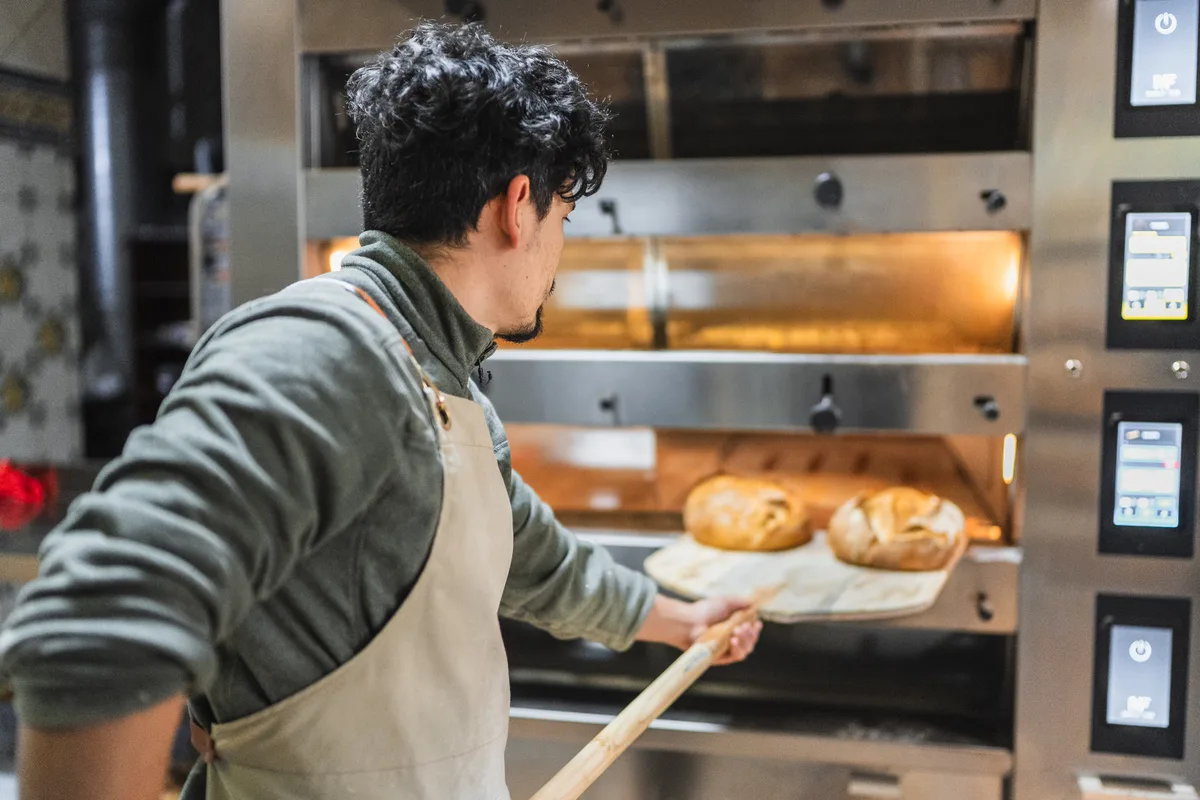
A new deck oven or spiral mixer is a five-figure decision that locks in production capacity for years, and the financing choice changes the cash picture more than the sticker price does. We model buying against leasing with the Class 8 capital cost allowance treatment included, weighed against what the equipment actually unlocks — usually more wholesale capacity or a shorter overnight shift — rather than deciding on interest rate alone. The same discipline applies to a walk-in cooler or a second proofer: the question is always what extra output or reliability the asset buys, not just what it costs — the general framework is laid out in our answer on whether a business should lease or buy equipment.
Second location or commissary: the honest test
The right time to add a second retail counter or a dedicated commissary kitchen is when the existing operation is profitable after charging the business a fair manager wage for the hours the owner actually works unpaid — a test most single-shop bakeries have never formally run. A second site doubles rent, doubles the management need, and often adds a delivery route for wholesale, while removing the free owner labour that was quietly subsidizing the numbers. We model the real payback: build-out cost net of any landlord contribution, a realistic sales ramp rather than day-one maturity, and the extra wholesale volume a commissary would actually need to produce to justify itself.
Smoothing a calendar that is naturally lumpy
Wedding season, the December rush, and Valentine’s Day carry a disproportionate share of a bakery’s annual profit, and the months between them still need payroll, rent, and ingredient purchases covered. We run a rolling 13-week cash flow forecast that treats the calendar honestly instead of averaging it away, so a slow February is planned for rather than discovered. Where flour, chocolate couverture, or equipment come from US suppliers, the FX and import side belongs in the cost picture too — our bakery cross-border tax guide covers that layer, and the clean daily numbers this all runs on come from bakery bookkeeping. Like all our work, engagements are fixed-fee, scoped after a discovery call.
Common questions.
How do you decide if a wholesale account is worth keeping?
We look at contribution after the wholesale discount, delivery cost, and actual payment terms, not just the invoice total. A high-volume account on slow-paying 45-day terms can tie up cash that a smaller, faster-paying account would not.
Should we buy or lease a new oven?
It depends on your cash position and how much extra capacity the equipment actually unlocks. We model both paths with the Class 8 CCA treatment included and compare the real after-tax cost, rather than deciding on the sticker price or interest rate alone.
How do you plan cash flow around a seasonal cake calendar?
With a rolling 13-week cash flow forecast that treats wedding season, December, and Valentine’s Day as the concentrated events they are, so the quieter months in between are funded on purpose instead of discovered as a shortfall.
Related reading
Know what every batch earns.
Book a consultation and get a plain answer on exactly what applies to you.