
Who We Help · Bakeries · Cross-Border Tax
Bakery cross-border tax: mostly a purchasing question, not a personal one
Most bakery owners never file a US personal return, so their cross-border exposure sits almost entirely on the buying side — specialty flour, couverture chocolate, and equipment bought from US suppliers. Get the CUSMA origin, the duty, and the FX booking right on those purchases and the file stays short. It rarely needs to be more than that, and we would rather say so than manufacture complexity that is not there.
By the AnalytIQ Accounting team · Last reviewed: August 12, 2026
Where a bakery’s cross-border exposure actually lives
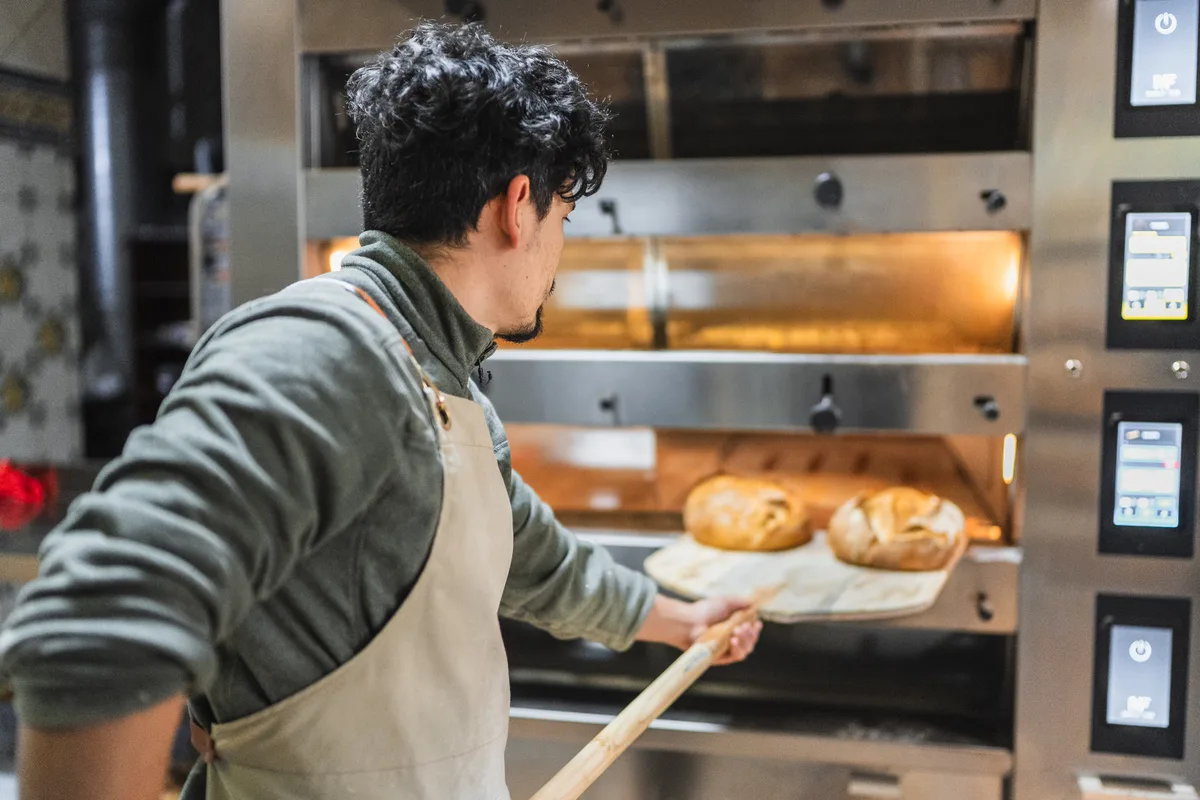
Unlike a niche with US-source personal income or US property, a bakery’s cross-border file is almost always about what crosses the border, not who does. The two recurring purchases are specialty baking ingredients — couverture chocolate, specialty flours, flavourings not readily available from Canadian distributors — and equipment: deck ovens, spiral mixers, and proofers, several of which come from established US manufacturers. Both arrive with a US-dollar invoice and, depending on origin, a duty question. A smaller but real third case is the owner who travels to a US trade show — the International Baking Industry Exposition in Las Vegas is the best-known one — to see new equipment before ordering it; the trip itself is an ordinary deductible business expense, and any samples or small parts brought back personally fall under CBSA’s normal traveller exemptions rather than a commercial import process.
CUSMA origin and duty on an oven or a bag of flour
Equipment and ingredients that are genuinely US-made or US-grown generally enter Canada duty-free under CUSMA, with a certification of origin expected on file for commercial shipments above the low-value threshold. The trap is the same one that catches every importer: a US supplier’s invoice does not make the goods US-origin if they were manufactured somewhere else and simply shipped from a US warehouse. For a one-off oven purchase this rarely matters much; for a bakery that regularly imports specialty ingredients, confirming origin on file protects the duty-free treatment instead of assuming it.
The certification of origin itself is only required for commercial shipments valued above roughly $3,300 CAD; below that, no formal certification is needed, though a supplier invoice showing the item was manufactured in the US is still worth keeping. Tariff lists have also shifted more than once in recent years as counter-tariff rounds moved food and equipment items on and off Canada’s and the US’s lists within months of each other, so it is worth confirming the landed cost on a given order rather than assuming last year’s rate still applies.
| Purchase | Duty | What to keep on file |
|---|---|---|
| US-made oven or mixer | Duty-free under CUSMA if genuinely US-origin | Certification of origin for shipments above the low-value threshold |
| Specialty flour or couverture chocolate, US-grown or made | Duty-free under CUSMA | Supplier origin confirmation, not just a US invoice |
| Third-country ingredient via a US distributor | Regular tariff by classification | True country of origin on the customs entry |
| Occasional US wholesale sale | Zero-rated export, no GST/HST charged | Commercial invoice showing the US delivery address |
Booking it properly: landed cost and FX
A USD invoice for an oven or a pallet of couverture should land on the books at full landed cost — the invoice amount converted at a consistent exchange rate, plus freight, brokerage, and any duty — rather than at the sticker price alone. Skipping that step understates the true cost of the equipment for CCA purposes and quietly overstates the margin on any product built from an imported ingredient. This is bookkeeping discipline more than tax planning, and it belongs in the same monthly close as everything else in bakery bookkeeping. GST at 5 percent generally applies on the converted value of a taxable equipment import at the border, and a registered bakery recovers that as an input tax credit — a step worth confirming was actually claimed, since it is easy for a broker’s paperwork to bury it in a single duties-and-taxes line.
If you ever sell into the US
A bakery that occasionally supplies a US-based wholesale buyer — a specialty grocer just across the border, say — is generally making a zero-rated export for GST/HST purposes, with no Canadian sales tax charged on that invoice. It is an edge case for most bakeries rather than a core part of the business, and it does not on its own create a US filing obligation. Keep the paperwork simple but real: a commercial invoice showing the US delivery address, and shipping documentation if a courier or freight carrier is involved, is generally enough to support the zero-rating on a CRA review.
Broader personal cross-border questions — a US-citizen owner, US investment accounts, a move across the border — sit outside a bakery’s day-to-day file and belong with our full cross-border tax services practice.
Common questions.
Does a bakery need a cross-border tax return just for buying a US oven?
No. A one-time equipment purchase from a US supplier is a duty and landed-cost question, not a filing trigger — book it at full landed cost and confirm CUSMA origin if you want the duty-free treatment.
Is duty owed on US flour or chocolate?
Not if it is genuinely US-grown or US-made and properly documented as CUSMA-originating. Goods that were made elsewhere and simply shipped from a US warehouse do not qualify, regardless of the invoice address.
Do we charge GST/HST on a sale to a US wholesale customer?
Generally no — a sale delivered to a US buyer is typically a zero-rated export, so no Canadian sales tax applies, though it should still be documented with a commercial invoice showing the US delivery.
Related reading
A short file, done properly.
Book a consultation and get a plain answer on exactly what applies to you.