
Who We Help · Bakeries · Bookkeeping
Bakery bookkeeping: the count on the counter decides the tax on the ticket
A bakery runs three GST/HST rules through one register: a loaf or a box of six or more is zero-rated, a single item is taxable, and Ontario’s point-of-sale rebate only ever touches that taxable slice when it is priced at $4.00 or less. Layer in wholesale accounts on credit terms, cake deposits that are not revenue yet, and ingredient costs that move faster than any price list, and a bakery’s books need more structure than the till alone provides.
By the AnalytIQ Accounting team · Last reviewed: August 12, 2026
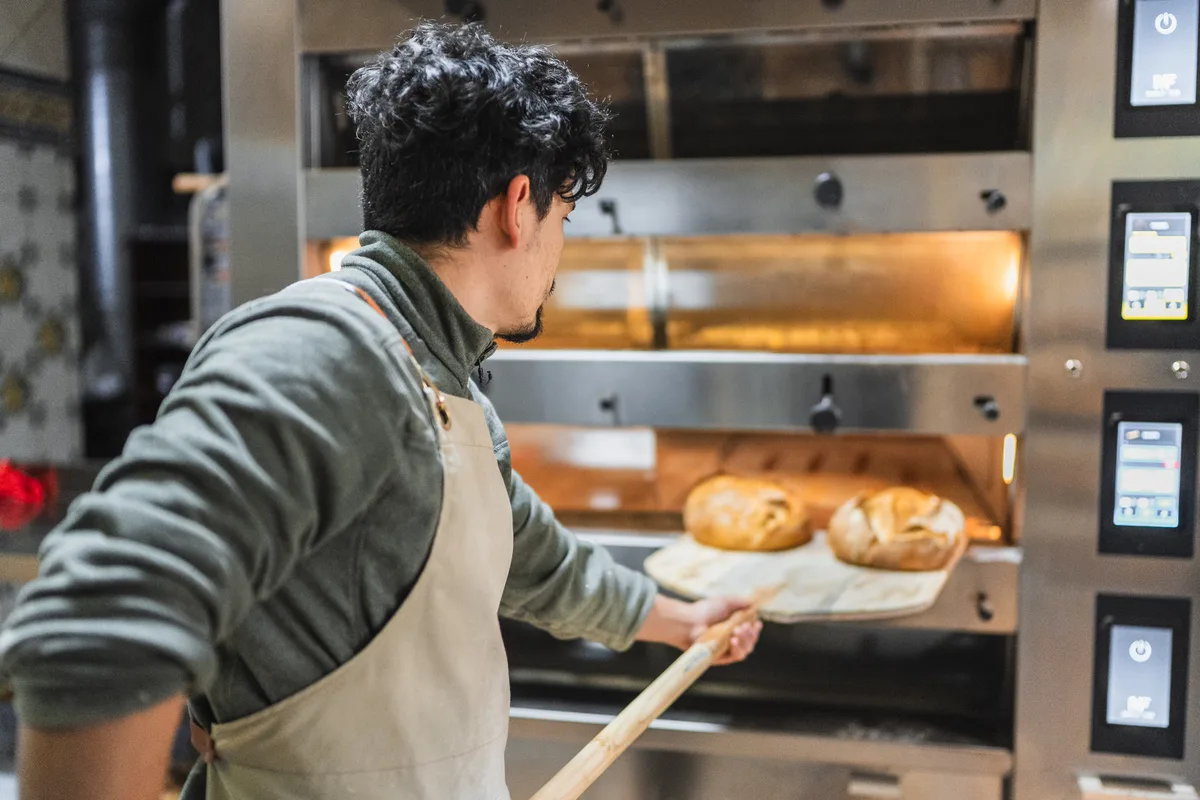
One counter, three tax rules — and a $4 line that only applies to one of them
A bakery sells the same doughnut two different ways, and the GST/HST answer changes with the count. A loaf of bread, a dozen bagels, or a box of six or more muffins, cookies, or doughnuts are zero-rated basic groceries — no tax at all. Sell a single doughnut, or a box of four, and the same item becomes taxable as an individual serving. A whole custom cake or pie sold uncut is its own case again: CRA does not treat an uncut cake as a single serving even when one customer buys the entire thing, so it stays zero-rated — worth confirming for edge cases against which groceries are taxable in Ontario the first time a wedding order raises the question.
Layer Ontario’s point-of-sale rebate on top, carefully: it only ever removes the 8 percent provincial portion from an item that was already taxable and priced at $4.00 or less — a single muffin bought on its own at the counter, say. It does nothing to a zero-rated item, and it stops applying once the same muffin joins a box of six. Three rules, one POS button map, worth auditing at onboarding and again after every new item goes on the board.
| Counter item | GST/HST |
|---|---|
| Whole loaf of bread | Zero-rated |
| Single doughnut or muffin sold alone, $4.00 or less | 5 percent only — Ontario’s point-of-sale rebate removes the provincial portion |
| Box of four cookies | Taxable — fewer than six single servings |
| Box of six or more cookies, muffins, or doughnuts | Zero-rated |
| Whole custom cake, uncut | Zero-rated, even sold to one customer |
| Slice of cake sold individually | Taxable — single serving |
Wholesale accounts run on terms; the retail counter runs on cash and card
A bakery that supplies cafés and grocers is really running two businesses through one set of books. Retail sales close daily like any counter — POS Z-reports reconciled to the bank, card batches landing net of processor fees. Wholesale is a receivables business: standing orders invoiced on net-15 or net-30 terms against a purchase order or standing agreement, aged like any other trade debtor rather than assumed collected because the relationship is friendly.
Keeping the two separate in the ledger — retail sales by day, wholesale sales by account — is what lets a wholesale customer’s margin be judged honestly. Wholesale pricing usually runs thinner than the retail case, and volume alone does not make a slow-paying account worth keeping if it ties up cash your own suppliers will not wait for.
A cake deposit is a liability until the cake leaves the building
Custom and wedding cake orders are usually booked with a deposit weeks or months ahead of delivery, and that deposit is not revenue the day it lands — it is a customer deposit liability until the cake is delivered and the balance is paid. Recognizing it early overstates a slow month, understates a busy one, and can shift the HST period the tax was actually due in if full payment was not collected until pickup.
We set up a simple deposits schedule tied to delivery dates, so a wedding season with a dozen cakes on the books shows up as future revenue you can plan payroll and ingredient buying around, not as a mystery bank balance.
Flour, butter, and eggs move faster than your price list
Ingredient costs are the most volatile line on a bakery’s income statement, and flour, butter, and egg prices can each swing meaningfully within a single season. Supplier invoices flow through Dext into QuickBooks Online, coded by ingredient category rather than buried in one general supplies line, so a rising butter cost shows up as a trend before it quietly erodes every croissant’s margin.
That data only earns its keep paired with basic recipe costing — the ingredient cost per unit for core lines, updated whenever a major input moves rather than once a year at renewal. It is the shortest path from "food cost feels high" to knowing exactly which product needs a price change first. What a full monthly close adds on top — reconciliations, HST filings, a statement pack — is on our bookkeeping services page; if your flour, chocolate, or oven purchases cross the border, that side is covered in our bakery cross-border tax guide.
Common questions.
Is a whole custom cake taxed differently from cake sold by the slice?
Yes — a whole, uncut cake or pie is a zero-rated basic grocery even when one customer buys the entire thing, but the moment it is cut and sold by the slice it becomes a taxable single serving.
Does the $4 rebate apply to a box of doughnuts?
No. The Ontario point-of-sale rebate only removes the provincial portion from an item that is already taxable and priced at $4.00 or less, such as a single doughnut. A box of six or more is already zero-rated, so there is no provincial tax to rebate.
Should a cake deposit be booked as revenue when we take it?
No. A deposit for a future custom or wedding cake is a liability until the cake is delivered and the order is complete; recognizing it early misstates the month it lands in and can shift the HST period the tax was actually due.
Related reading
Books built loaf by loaf.
Book a consultation and get a plain answer on exactly what applies to you.