
Who We Help · Butcher Shops & Meat Markets · Bookkeeping
Butcher shop bookkeeping: the books start at the hanging weight, not the register
A butcher shop’s numbers begin before a single cut reaches the counter — at the hanging or primal weight an invoice bills you for, long before trim, bone, and fat turn it into something sellable. Track yield from that starting weight, keep raw cuts and prepared items on the tax flags they actually earn, and treat every cash sale with the same discipline as a card one, and the books finally reflect how a butcher shop makes money.
By the AnalytIQ Accounting team · Last reviewed: August 12, 2026
Raw or prepared decides the GST/HST flag, not the cut
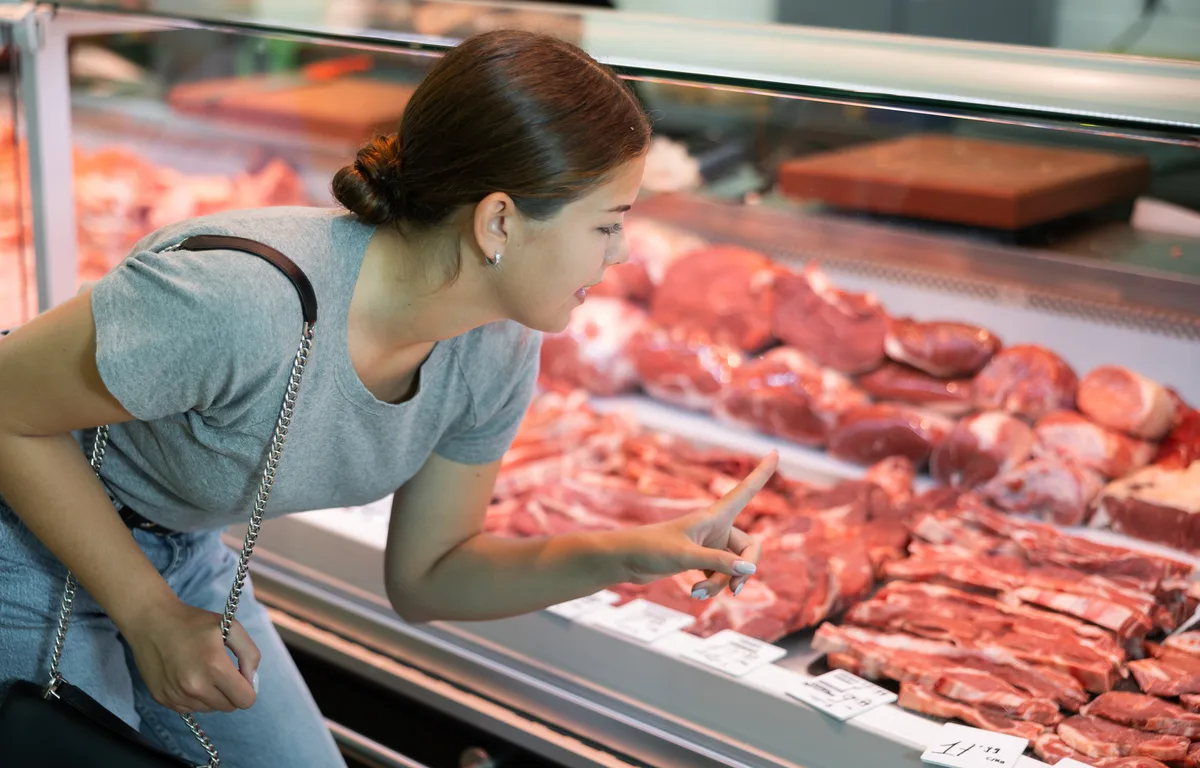
Fresh and frozen meat — steaks, roasts, ground beef, whole chickens — is zero-rated basic groceries, and that stays true for most further-processed meat too: sausages, bacon, marinated raw cuts, and sliced deli meats are still zero-rated under CRA’s basic-groceries rules, a distinction covered more broadly in our answer on which groceries are taxable in Ontario. What flips the flag to taxable is heating the item for immediate consumption or turning it into a ready-to-eat prepared meal — a hot rotisserie chicken, a made sandwich, a hot kebab off the grill. Two products that look similar side by side in the same case can carry different tax treatment for that reason alone.
We audit the POS flag file against this line when we take on a shop, because a marinated raw cut mistakenly flagged as prepared and taxable quietly overcharges regulars, and the reverse mistake under-remits GST every time it rings through.
| Case item | GST/HST |
|---|---|
| Fresh or frozen steaks, roasts, whole cuts | Zero-rated |
| Ground meat, sausages, bacon | Zero-rated |
| Raw marinated or seasoned cuts | Zero-rated — still raw, not heated or ready-to-eat |
| Sliced deli meat, cold cuts | Zero-rated |
| Hot rotisserie chicken or grilled kebabs | Taxable — heated for immediate consumption |
| Made sandwiches or prepared meal trays | Taxable — a prepared meal, not a basic grocery |
Yield is a bookkeeping entry before it is a margin number
An invoice from an abattoir or distributor is billed on hanging or primal weight, and the cost of goods that actually matters is the cost per pound of what is left after bone, fat, and trim loss — the yield. Posting the invoice at hanging weight without tracking yield tells you what you paid, not what you can sell, and two shops paying the identical price per pound on paper can carry very different real costs depending on how carefully product is broken down.
We set up a simple weekly yield log by primal or by animal, so the true cost per retail pound feeds cost of goods sold rather than being estimated at year-end. That is also the earliest signal of a cutting problem or a supplier quality shift, long before a shrinking gross margin shows up on a monthly statement.
A halal-certified shop or one carrying specialty imported cuts alongside standard product benefits from tracking those lines separately too, since the supply chain cost and the yield can differ meaningfully between them — blending everything into a single meat cost of goods number hides which line is actually carrying the margin.
Cash at the counter needs the same discipline as any till
Meat markets still run a meaningful share of sales in cash, and that means the basics matter more here than almost anywhere else: deposits made intact, an over/short log reviewed rather than ignored, and every Z-report reconciled to the bank the same week it happens. A simple daily routine — a mid-shift till count, a second person present for the closing count, and a same-day bank drop rather than cash sitting overnight — closes off the two easiest places for money to quietly go missing. None of this is about suspicion — it is what protects an honest cash-heavy business when CRA’s attention naturally lands on shops like this one, a subject our butcher shop tax services page covers at the audit-defence level.
Halal certification and supplier terms belong in cost of goods
Halal certification fees, whether paid annually or per inspection, are a real cost of doing business for a certified shop and belong in cost of goods rather than buried in general overhead — it is a cost the certified price on your product needs to cover. Distributor and abattoir accounts usually run on standing terms once a relationship is established, and those balances should be tracked and aged like any trade payable rather than paid from memory when a rep calls. Supplier invoices flow through Dext into QuickBooks Online, coded by primal or category so the yield numbers and the ledger tell the same story. If your specialty cuts or equipment come from US suppliers, that side is covered in our butcher shop cross-border tax guide.
Common questions.
Is a marinated raw chicken breast taxable or zero-rated?
Zero-rated — marinating a raw cut does not make it a prepared food the way heating it does. It stays a basic grocery until it is cooked or heated for immediate consumption, which is the line that actually flips the GST/HST flag.
How should we track yield in our books?
Log actual retail-pound output against the hanging or primal weight billed on the supplier invoice, by animal or by primal cut, on a weekly basis. That real cost per pound, not the invoice price per pound, is what belongs in cost of goods sold.
Is halal certification a deductible business cost?
Yes — certification and inspection fees are a legitimate cost of goods for a certified shop, and they belong in the cost structure your pricing is built to cover, not lost in a general overhead line.
Related reading
Books built from the hanging weight.
Book a consultation and get a plain answer on exactly what applies to you.