
Who We Help · Butcher Shops & Meat Markets · Tax Services
Butcher shop tax services: built to survive an input-based review
A meat market carries two things CRA pays particular attention to: a cash-heavy till and a GST/HST return built on a raw-versus-prepared split that has to be right on every ticket. Our tax work for butcher shops starts with that split, then builds the file that answers CRA’s favourite indirect-audit method for shops like this one — comparing what you bought against what you rang.
By the AnalytIQ Accounting team · Last reviewed: August 12, 2026
The raw-versus-prepared line is the return
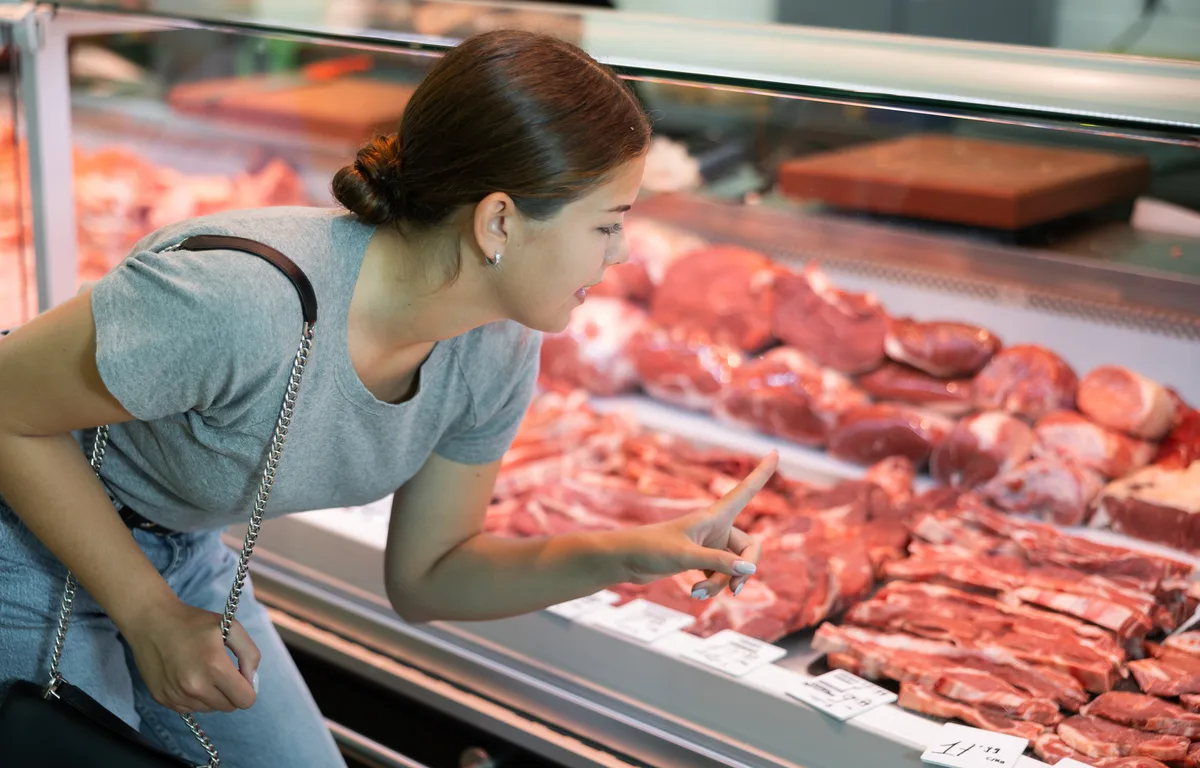
Fresh, frozen, and most further-processed meat — sausages, bacon, marinated cuts, deli meat — stays zero-rated, while anything heated for immediate consumption or sold as a ready-to-eat meal becomes taxable. That distinction runs through every ticket at the till, so the GST34 is only ever as accurate as the button someone assigned to each item. We test that mapping directly against which groceries are taxable in Ontario before a return is ever filed, and again whenever the case adds a hot item or a new prepared line.
The quick method question for a mostly zero-rated counter
The GST/HST quick method, available to registrants with $400,000 or less in annual taxable supplies, only ever applies to the taxable slice of a meat market’s sales — the zero-rated raw and processed cuts that make up most of a typical counter sit outside the calculation regardless of which method is used. That matters because the quick method trades away the right to claim most input tax credits in exchange for a flat remittance rate on the taxable portion, and a shop with a small hot-food or prepared-meal line has very little taxable revenue for that trade to apply to in the first place. We run the comparison against normal ITC tracking before electing anything, since the answer depends heavily on how much of a given shop’s counter is actually taxable.
Cash-heavy shops draw CRA’s indirect-audit method
Meat markets are a textbook target for an input-based sales estimate: an examiner takes the hanging or primal weight purchased from your abattoir and distributors, applies a reasonable yield, and compares the expected retail output against reported sales. When the estimate runs ahead of what was reported, the working assumption is unrecorded cash — a serious risk for any shop that still takes a meaningful share of sales in cash, and a pattern covered generally in our answer on what triggers a CRA audit. The defence is built before the audit ever starts, not assembled from memory afterward.
- Yield log — hanging weight in, retail pounds out, by animal or primal.
- Waste log — trim, spoilage, and markdowns, dated and reasoned.
- Daily Z-reports tied to same-week bank deposits, kept for CRA’s standard six-year window.
Halal certification and supplier costs on the return
Certification and inspection fees paid to a halal certifying body are a deductible business cost, and for a certified shop they belong in cost of goods rather than a general expense line, since the certified price on the product is what covers them. Supplier terms with abattoirs and distributors, usually net-30 or similar, should be reflected as trade payables rather than paid informally, both for cash-flow visibility and because a documented account trail is part of what an audit file needs. Shrink and spoilage write-offs also need a paper trail of their own — a dated waste log that matches what the yield numbers already show is far stronger evidence than a lump "spoilage" adjustment posted once a quarter with nothing behind it.
The T2 behind the cold room
An incorporated butcher shop pays Ontario’s combined small business rate — about 12.2 percent — on its first $500,000 of active profit. Cold-chain and cutting equipment — walk-in coolers, band saws, wrapping and scale equipment — generally falls into Class 8 at 20 percent, while a refrigerated delivery vehicle sits in Class 10 or Class 16 depending on its weight rating. Owner pay between salary and dividends is worth revisiting with each T2 rather than defaulting to whatever was decided the first year, and if specialty cuts, equipment, or ingredients come from US suppliers, the border layer is covered separately in our butcher shop cross-border tax guide. Non-capital losses from a slow opening year or a costly cooler failure carry forward against future profitable years, which is worth remembering before writing off a rough first stretch as sunk cost rather than a future tax offset.
| Equipment | CCA class | Rate |
|---|---|---|
| Band saws, wrapping and scale equipment | Class 8 | 20 percent |
| Walk-in coolers and freezers | Class 8 | 20 percent |
| Refrigerated delivery van | Class 10 | 30 percent |
| POS and scale-integration systems | Class 50 | 55 percent |
Common questions.
Can CRA estimate our sales from what we buy from the abattoir?
Yes — this is a recognized indirect-audit method. An examiner applies a reasonable yield to the hanging or primal weight you purchased and compares expected retail output to reported sales, so a documented yield log is the direct answer to that estimate.
Is halal certification deductible?
Yes, certification and inspection fees are a legitimate business cost, and for a certified shop they belong in cost of goods since your certified pricing is built to cover them.
What CCA class do our coolers and band saws fall into?
Most cutting-room and refrigeration equipment — band saws, wrapping and scale equipment, walk-in coolers — falls into Class 8 at a 20 percent declining-balance rate.
Related reading
A return that survives a second look.
Book a consultation and get a plain answer on exactly what applies to you.