
Who We Help · Bike & Sporting Goods Shops · Tax Services
Bike shop tax services: labour, trade-ins, and inventory that ages by the model year
The tax return for a bike and sporting goods shop has to reconcile two selling seasons, a repair bench that earns like a separate business, and inventory that loses value the moment next year’s models arrive. Warranty reimbursements are income even though no customer paid for them, trade-in credits change the GST/HST on the sale they are used against, and a stale bike written down without a schedule behind it invites a second look. We build the return around the shop’s actual selling pattern rather than a generic retail template.
By the AnalytIQ Accounting team · Last reviewed: August 12, 2026
Service labour carries the same HST as the parts beside it
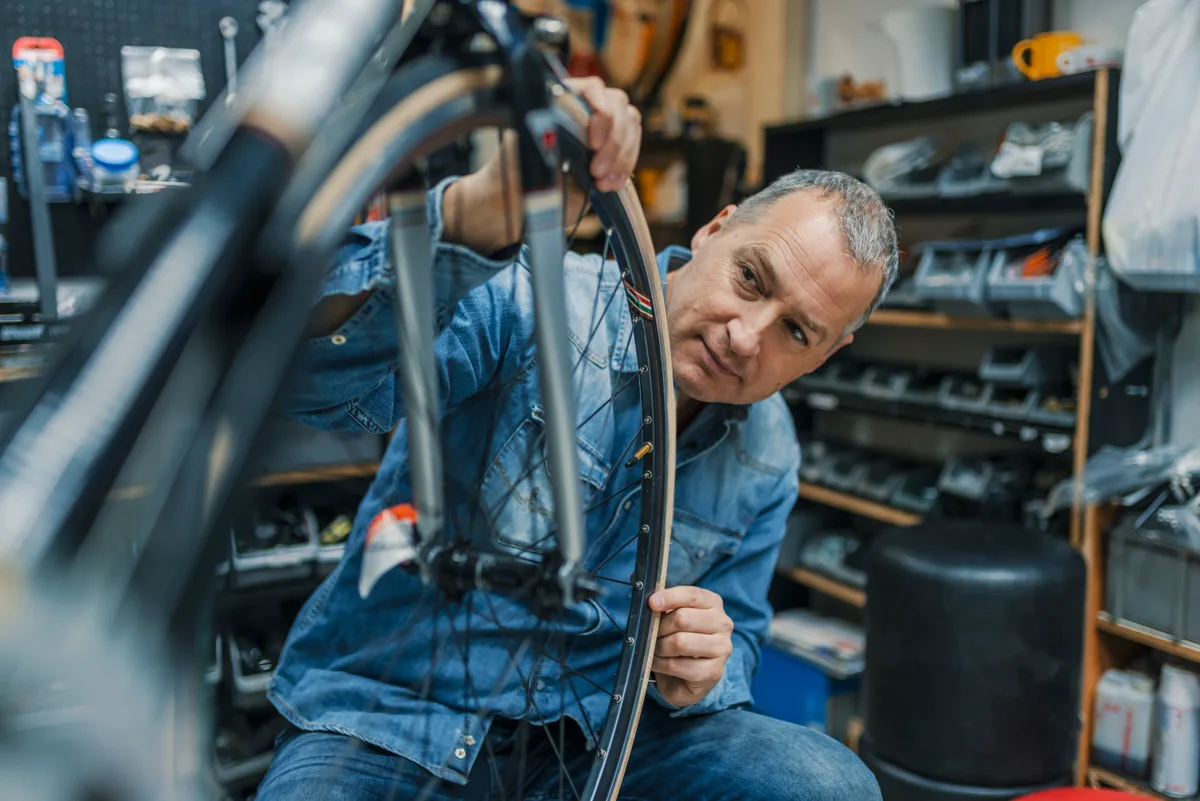
There is no exemption for repair labour: a tune-up, a wheel build, or a suspension service is fully taxable at 13 percent just like the parts on the same ticket, so the GST34 treats a $60 labour charge and a $60 part identically. Where shops get this wrong is not the tax rate — it is timing. A repair started in one reporting period and invoiced in the next should be recognized as revenue when the work is billed and delivered, not when the customer dropped the bike off, and open work orders sitting unbilled at period-end need to be tracked so revenue is not quietly deferred past a quarter it should have counted in.
Deposits on special-order and hard-to-get e-bikes raise the same timing question from the other direction. A deposit held as security against a customer walking away is generally not consideration for a supply, so it does not trigger GST/HST when it is taken — the tax is accounted for once the deposit is applied to the sale price at delivery. Booking every deposit as revenue the day it lands overstates the quarter it was collected in and understates the one where the bike actually goes out the door.
Warranty reimbursements are income, not a cost recovery
When a distributor pays your shop's labour rate for a warranty repair on a bike, e-bike battery, or component, that payment is revenue to the shop even though the customer paid nothing — it is not a rebate against your cost of goods the way a purchase discount would be, because you are being paid for labour performed, not given a break on inventory you bought. These payments often lag the actual repair by weeks, so a healthy warranty receivable balance at year-end is normal and should be reconciled against submitted claims rather than assumed to be lost revenue if it has not arrived yet.
Trade-ins change what HST applies to
Under the Excise Tax Act's trade-in rules, a GST/HST registrant selling a new bike to a customer who trades in a used one can charge tax on the price net of the trade-in credit rather than on the full retail price — provided the credit is reasonable and appears on the sales invoice. That reduces the HST collected on the sale, and the traded bike then becomes its own inventory item valued at what it is expected to resell for, not simply carried at the credit given. Skipping the documentation and just discounting the register total produces the same cash result but a return that cannot show its work if it is ever questioned.
| Revenue stream | Taxable? | Timing on the return |
|---|---|---|
| Repair labour | Yes, full rate | When the work is invoiced, not when the item was dropped off |
| Distributor warranty payment | No HST charged to the distributor on most claim reimbursements | Income when the claim is approved, tracked as a receivable until paid |
| Bike sale with trade-in | Yes, on the net price after the credit | At sale, with the trade-in valued and logged |
Writing down last year's models the way the CRA expects
Inventory has to be valued at the lower of cost or fair market value, and a bike or ski set that is now a discontinued model qualifies for a write-down when its expected selling price has genuinely dropped below cost — but the write-down needs a schedule showing the model, the original cost, and the price it is now expected to fetch, not a single round-number adjustment made at tax time. A count that separates current-model stock from prior-model stock at year-end makes this defensible instead of arbitrary, and it is the same count that feeds an accurate cost of goods sold figure on the T2125 or T2.
The corporate calendar behind the two seasons
Beyond inventory and service revenue, the standard corporate mechanics apply on the shop's own calendar: the small business deduction keeps Ontario tax near 12.2 percent on the first $500,000 of active income, instalments start once tax owing passes $3,000, and a fiscal year-end chosen to land after the winter season rather than mid-rush gives a cleaner count and a more accurate picture of the year just finished. GST/HST filing frequency deserves a look too — a shop whose sales are concentrated in two short seasons can swing between remitting large amounts in a peak quarter and sitting in a refund position in a quiet one, and the CRA's default assigned frequency is not always the best fit for that rhythm, so it is worth reviewing rather than accepting as given. Shops buying from US or Asian distributors in USD should also see our cross-border tax page for bike shops, and the broader engagement is described on our tax services page.
Common questions.
Is repair labour taxed differently from parts?
No — both are subject to HST at the standard rate. The timing issue that matters more is recognizing the revenue when the work is invoiced, not when the customer dropped the item off.
Do we charge HST on a distributor’s warranty reimbursement?
The reimbursement itself is income to your shop for labour performed, tracked as a receivable until paid — it is not a discount on inventory, so it should not be netted against cost of goods the way a purchase rebate would be.
Can we write down unsold prior-model bikes at year-end?
Yes, inventory can be valued at the lower of cost or fair market value, but the write-down needs a documented schedule by model showing original cost against expected resale price — not a single estimated adjustment with no support behind it.
Related reading
A return that matches the workbench.
Book a consultation and get a plain answer on exactly what applies to you.