
Who We Help · Veterinarians · Tax Services
Veterinarian tax services: taxable supplies, full ITCs, and a sale-ready T2
Unlike physicians and dentists, veterinarians sell taxable services — so your clinic registers for GST/HST almost immediately, charges 13% in Ontario, and recovers the tax on nearly every input. That changes the whole shape of the tax file: full ITCs, real drug inventory inside the T2, and margins a consolidator will one day scrutinize. We run the returns and keep the corporation sale-ready.
By the AnalytIQ Accounting team · Last reviewed: August 12, 2026
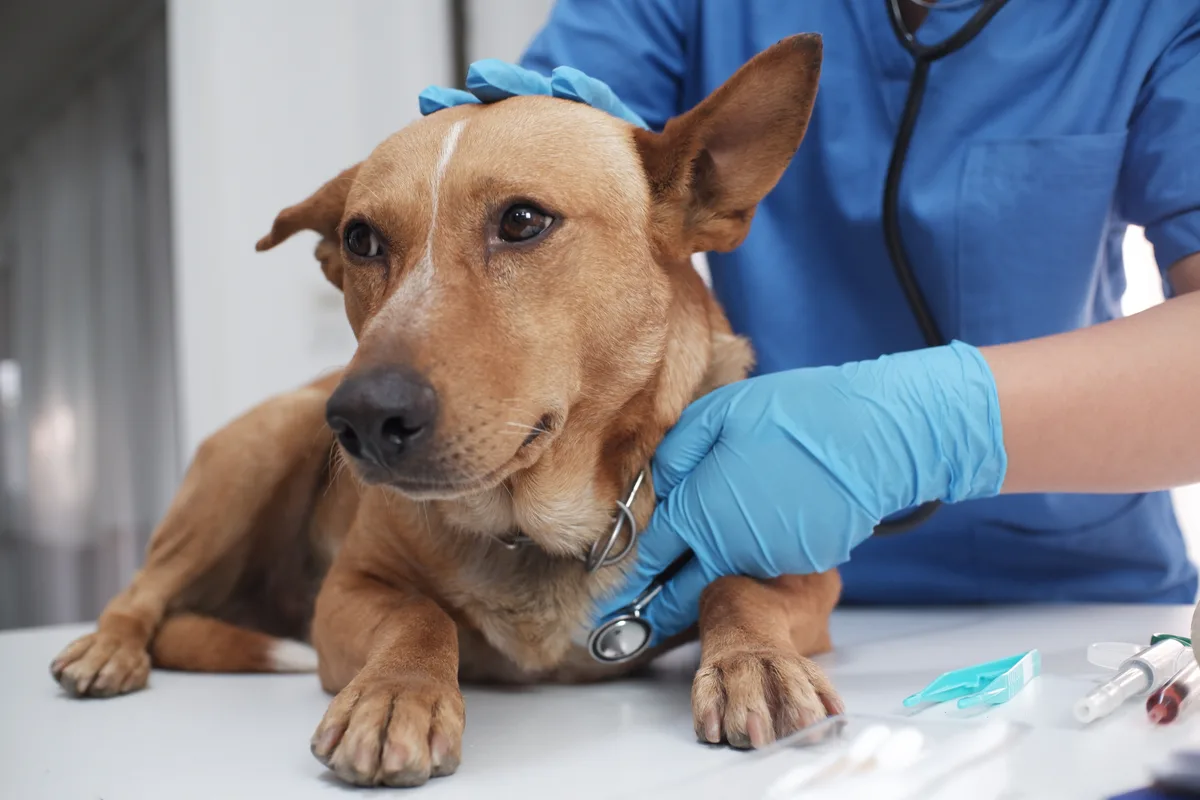
Vet services are taxable — and that is mostly good news
The GST/HST health care exemption covers human care, so veterinary services are taxable supplies: 13% HST in Ontario on exams, surgeries, dentals, boarding, drug sales, and food. Registration is mandatory once taxable revenue passes $30,000 over four calendar quarters — for a working clinic, effectively from the start. The upside physicians and dentists never see: a fully taxable clinic claims input tax credits on almost everything — rent, drug purchases, reference-lab fees, imaging and dental units, the practice management system — so HST flows through the business instead of sticking as a cost.
One structural note: most clinics outgrow the $400,000 quick-method ceiling early, and the method rarely suits a business with drug and supply costs this heavy anyway. Regular-method filing with disciplined ITC capture is where the money is.
| GST/HST question | Your vet clinic | A physician or dentist practice |
|---|---|---|
| Charge tax on services? | Yes — 13% in Ontario | No — exempt health care |
| Must register? | Yes, past $30,000 — day one in practice | Rarely; only if taxable side work crosses the threshold |
| ITCs on rent, drugs, equipment? | Full recovery | None on the exempt side |
| HST on a new surgical suite | Recovered through ITCs | Buried in the cost of ownership |
Drug markups and the inventory behind them
Dispensing is a major margin line in companion-animal practice, and it only reads correctly on the T2 when inventory does. Unlike a human pharmacy, drugs supplied for veterinary use are excluded from zero-rating, so clinic drug sales carry HST at the full rate — while the markup you charge only shows up as true gross margin once COGS is right. Habits we enforce: a real year-end count (the controlled-drug log is a regulatory record, not an accounting one), expiry write-offs documented as they happen, and vaccine or parasiticide rebate credits netted against cost. For mixed and large-animal practices, a narrow agricultural zero-rating covers items like bulk livestock feed — one of the few 0% lines a vet will ever sell.
The VPC T2 with a consolidator on line two
A Veterinary Professional Corporation is a CCPC taxed at roughly 12.2% on its first $500,000 of active income in Ontario, with the T2 due six months after year-end. Consolidators have made vets one of the most-approached professions in Canada, and the tax file is part of the pitch whether you sell or not. Buyers reprice messy books downward, and a share deal only reaches the $1.25 million lifetime capital gains exemption if the VPC passes the QSBC asset tests at closing and for the 24 months before — retained investments are the usual spoiler, so purification is a years-ahead project, not a closing item. When the buyer is US-backed, as many are, deal structure and earn-out mechanics raise questions we cover on our cross-border tax page for veterinarians.
Owner pay and the instalment calendar
Ontario VPC shares can only be held by veterinarians, so there is no family dividend sprinkling to design around — the owner-pay question is a clean two-way choice. Salary is deductible to the corporation, creates RRSP room, and builds CPP; dividends skip payroll remittances and flex with the season. Most owners blend the two and adjust the blend as associate hires change what the clinic can distribute.
Corporate instalments start once tax passes $3,000 — monthly, or quarterly for small CCPCs with a clean history — and a dividend-heavy owner usually picks up personal instalments too, since nothing is withheld at source. We size both from the filed returns and resize them when caseload or an associate departure shifts the run rate, so interest never accrues quietly between filings.
Common questions.
Do veterinarians charge GST/HST on services?
Yes. The health care exemption applies to human care, so vet services, drug sales, and food are taxable — 13% in Ontario. Registration is required once taxable revenue passes $30,000 over four calendar quarters, which happens almost immediately in practice.
Are drugs sold by the clinic zero-rated?
Generally no — drugs labelled or supplied for veterinary use are excluded from zero-rating, so clinic drug sales carry HST. A narrow agricultural exception covers items like bulk livestock feed for large-animal work.
What should I do before responding to a consolidator offer?
Get the corporation sale-ready first: clean statements, current filings, and a check of the lifetime capital gains exemption tests, since passive assets inside the VPC can spoil them. Buyers reprice messy books downward.
Related reading
Tax work that keeps pace with the clinic.
Book a consultation and get a plain answer on exactly what applies to you.