
Who We Help · Optometrists · Tax Services
Optometrist tax services: exempt exams, zero-rated eyewear, one coherent return
One optometry patient can generate three tax treatments in a single visit: an exempt exam, zero-rated prescription eyewear, and taxable sunglasses or accessories. How you split the billing drives what HST you charge, which input tax credits you can claim, and whether the OPC must register at all. We build the split once, then keep the T2, the GST/HST returns, and your owner pay consistent with it.
By the AnalytIQ Accounting team · Last reviewed: August 12, 2026
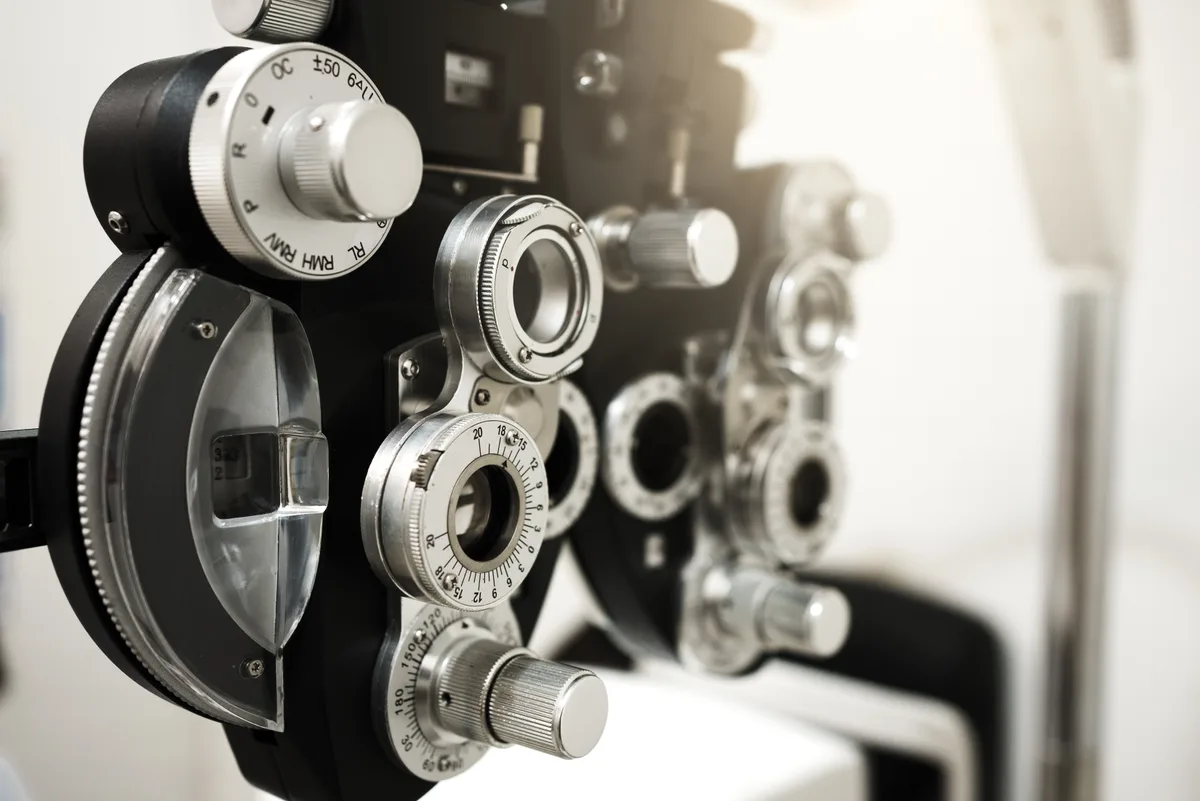
One visit, three tax treatments
Optometry is the rare practice where a single appointment spans every GST/HST category. The eye exam is exempt — no tax charged, no input tax credits on its costs. Prescription eyeglasses and contact lenses are zero-rated when supplied on the written order of an eye care professional to correct vision — 0% on the invoice, full ITCs behind it. And plano sunglasses, ready-made readers, solutions, and accessories are taxable at 13% in Ontario. The invoice has to reflect that reality: exam fee and dispensary charges split on the bill, not blended into one number a reviewer has to unpick later.
| What you sell | GST/HST charged | Counts toward the $30,000 threshold? |
|---|---|---|
| Eye exams and clinical services | None — exempt | No |
| Prescription eyeglasses and contact lenses | 0% — zero-rated | Yes |
| Plano sunglasses, readers, accessories | 13% in Ontario | Yes |
Why the $30,000 test counts your dispensary, not your exam room
Exempt supplies are excluded from the small-supplier calculation, so exam revenue never pushes an OPC toward registration. Zero-rated and taxable sales both count — which means almost any practice with a working dispensary crosses $30,000 over four calendar quarters and must register. Registration is usually good news here: the dispensary recovers HST on frame inventory, lab charges, edging equipment, and its share of rent, and heavy zero-rated volume can leave the return in a net refund position. We also mind line 101 mechanics, since total revenue includes zero-rated sales and the collected-tax figure will look small beside it — normal, but worth documenting before CRA asks.
ITC apportionment: the split that has to survive review
Because inputs serve both an exempt exam room and a commercial dispensary, ITCs follow a fair and reasonable apportionment applied consistently from period to period. In practice we sort costs three ways:
- Fully claimable: frame and lens inventory, lab and edging costs, dispensary fixtures and displays.
- Not claimable: the phoropter, slit lamp, OCT, and other exam-side equipment — their HST joins the capital cost and depreciates through CCA instead.
- Apportioned: rent, utilities, practice software, and the accounting fee, split by a documented method — revenue share and floor space are the usual candidates.
The method is not glamorous, but it is the difference between ITC claims that stand and a reassessment that claws them back with interest.
The OPC T2, frames on the shelf, and your pay
An Ontario Optometry Professional Corporation is a CCPC taxed at about 12.2% on its first $500,000 of active income; the T2 is due six months after year-end, the balance generally at three months. Two year-end items matter more here than in most practices: the frame count, where aged and discontinued stock can be written down to market value with support, and clean cut-off on lab orders still in transit at year-end so COGS lands in the right period.
On pay, OPC shares can only be held by optometrists, so there is no family-dividend structure to defend — the live question is the salary-dividend mix, which we revisit with every T2 as dispensary margin and reinvestment needs move. Corporate instalments start once tax passes $3,000, and dividend-heavy owners usually pick up personal instalments alongside. If your degree or debt runs through a US optometry school, or you buy dispensary equipment from US vendors, the file carries a light cross-border layer — covered on our cross-border tax page for optometrists.
Common questions.
Do I charge HST on prescription glasses?
No — eyeglasses and contact lenses supplied on the written order of an eye care professional to correct vision are zero-rated. You charge 0% and still claim input tax credits on frames, lab charges, and dispensary costs.
Does exam revenue count toward the $30,000 registration threshold?
No. Exempt supplies are excluded from the small-supplier test; only dispensary sales — zero-rated and taxable — count. Most practices with a dispensary cross the threshold and must register.
How do we split shared costs between the exam room and dispensary?
CRA expects a fair and reasonable apportionment method applied consistently — typically based on revenue share or floor space. We document the method once so ITC claims survive review.
Related reading
One practice, one coherent tax file.
Book a consultation and get a plain answer on exactly what applies to you.