
Who We Help · Vending Operators · CFO Advisory
Vending machine CFO services: machine ROI, location math, and route value
A vending route is a portfolio of tiny stores, and its economics only make sense at the machine level: what each location grosses, what the host takes in commission, and how long you spend driving to it. Our CFO work builds per-machine profit from telemetry data, prices every placement before the machine rolls in, and keeps the route provable — because provable cash flow is what a buyer eventually pays for.
By the AnalytIQ Accounting team · Last reviewed: August 12, 2026
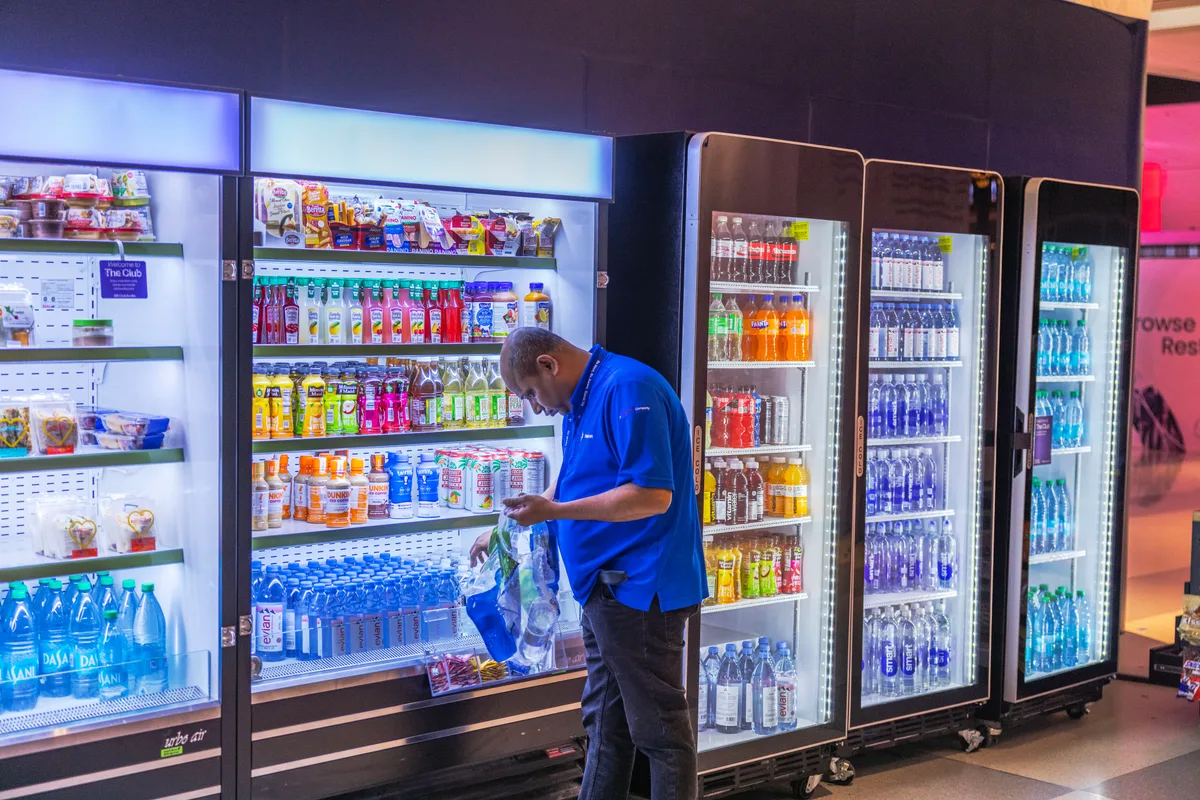
Per-machine profit is the only number that matters
A route average hides everything useful, because the top quarter of machines usually carries the bottom quarter. Telemetry platforms like Cantaloupe and Nayax already report sales per machine; we turn that into profit per machine by layering on product cost, the host's commission, card-processing and telemetry fees, and an allocated cost for the drive time each stop consumes. The bottom performers then face a simple menu: restock less often, renegotiate the commission, relocate the machine, or pull it.
One accounting trap sits inside every gross number: vended prices are tax-included, so in Ontario roughly 13/113 of the coin box and card settlement is HST owed to the CRA, not revenue. And because chips, candy, and pop are taxable even though basic groceries are zero-rated, almost the whole machine carries tax inside its price. A route that looks profitable on gross collections can be merely surviving once the embedded HST comes out — our vending bookkeeping page covers the mechanics.
Machine ROI: price the placement before the machine rolls in
Every placement is a capital decision: the machine's cost — new or refurbished — has to be paid back by that specific location's monthly profit, and the payback clock is the honest test of a site. A refurbished machine at a strong location can pay for itself quickly; a brand-new machine at a marginal one never will, and the loss compounds every month it sits there. Card readers usually lift sales, but they add a per-transaction fee and a monthly telemetry charge per machine, so cashless is a per-location decision, not a blanket one. We set a minimum expected weekly gross before any machine is placed and hold new locations to it during a probation window. Financed machines get the same test with the payment included, because a loan turns a mediocre location into a guaranteed monthly loss.
Location contracts: commission is your rent
The host's commission is rent paid as a percentage of sales, and the contract around it decides the economics of the machine for years. Before signing or renewing, we check the terms that actually move money:
| Contract term | Why it moves the money |
|---|---|
| Commission rate and base | Each point comes straight off gross margin — and check whether it is charged on tax-included sales. |
| Exclusivity | Protects the volume your payback math was priced on from a second operator in the lunchroom. |
| Term and renewal | A route buyer pays for contract years remaining, not for history. |
| Removal and relocation rights | Your exit from a dud location without penalty or stranded equipment. |
| Service expectations | Promised fill frequency sets your labour and drive-time cost at that stop. |
Some hosts are worth a rich commission because the volume is real; others demand a rate that quietly turns their machine into charity. The per-machine profit file is what lets you tell the difference and negotiate with numbers instead of nerves.
What the route is worth
Buyers pay a multiple of provable cash flow, and the word doing the work is provable. Cash discipline is where provability starts: one bag per machine per collection, counted against the telemetry reading for that machine, deposited intact rather than netted against product purchases at the cash-and-carry. Every variance between what the machine says it sold and what reached the bank gets a name — shrink, a jam, a miscount — while the memory is fresh. Telemetry history, clean books that reconcile collections to deposits, assignable location contracts, and an honest machine-age register all push the price up; a shoebox of cash records pushes it down no matter how good the route really is. The operator who under-reports cash sales pays for it twice — once in CRA risk, and again at sale, when the buyer discounts everything that cannot be verified. Route density matters too: revenue per stop-hour is worth more than the same revenue scattered across a wider map, which is why we sometimes advise selling outlier machines before selling the route.
The same lens applies when you are the buyer of a route or importing machines to grow — verify per-machine revenue against telemetry, confirm contracts assign, and check the border costs covered on our vending cross-border tax page. Engagements are fixed-fee, quoted after a discovery call.
Common questions.
How do I know which machines to pull?
Rank every machine on profit after product cost, commission, card and telemetry fees, and the drive time it consumes — not on gross sales. The bottom performers get a fix, a relocation, or removal, and the route gets denser and more profitable.
Are card readers worth the fees?
Usually at busier locations, because cashless lifts sales more than the per-transaction fee and monthly telemetry charge cost. At low-volume stops the fixed monthly fee can eat the gain, so we decide machine by machine from the data.
What multiple do vending routes sell for?
There is no fixed multiple — the price follows how provable the cash flow is, the contract years remaining, machine age, and route density. Telemetry-backed records and assignable contracts raise the price more than any listing headline.
Related reading
Price every machine like a tiny store.
Book a consultation and get a plain answer on exactly what applies to you.