
Who We Help · Vending Operators · Bookkeeping
Vending machine bookkeeping: the route reconciles one machine at a time
A vending route is dozens of tiny cash businesses, and the books only tell the truth when every machine reconciles on its own: meter reads against cash pulled against cashless settlements. Route-level totals hide the machine that is being skimmed, the location commission that no longer makes sense, and the product that expires faster than it sells. We build vending books at the machine level, because that is where every decision on the route actually lives.
By the AnalytIQ Accounting team · Last reviewed: August 12, 2026
Three numbers per machine, every visit
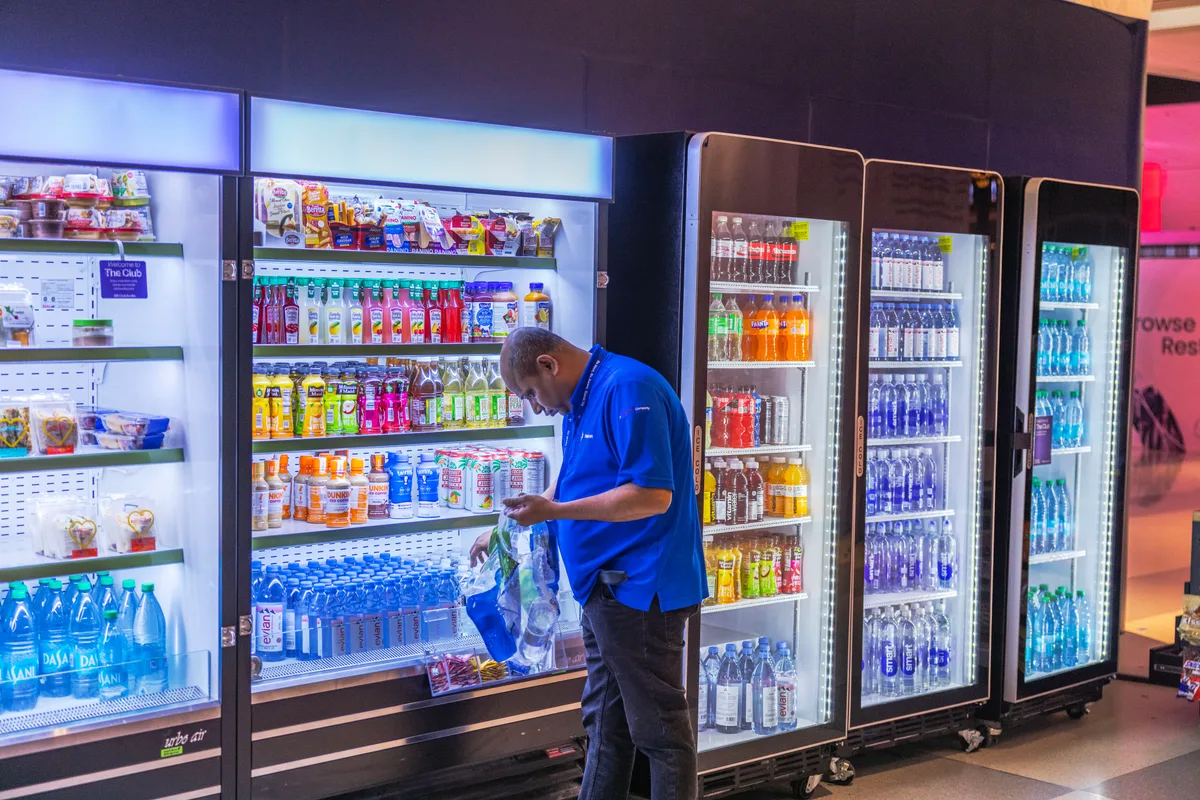
Every service visit should produce three figures that agree: the meter or telemetry read saying what the machine vended, the cash actually counted from the coin box and bill stacker, and the cashless settlement the card reader reports. We reconcile them per machine, per visit — a persistent gap between the meter and the cash on one machine is a jam, a mis-set price, or a hand in the box, and route-level totals will never show you which. Modern readers from providers like Nayax and Cantaloupe push vend-level data automatically, which turns this from a clipboard chore into an import, but the discipline is the same: the machine is the unit of account.
GST/HST rides in every coin
Vending prices are tax-included, so the HST has to be backed out of gross collections — in Ontario that means 13/113 of what the machine took — and nearly everything in a snack or drink machine is taxable despite the zero-rating on basic groceries. The timing rule is one of the genuinely odd corners of the ETA: for coin-operated machines, the consideration is treated as received on the day the money is removed from the machine, so your collection log literally drives when tax is accounted for. There is even a relic exemption for purely mechanical machines that take a single coin of 25 cents or less — charming, and irrelevant to any modern route. We code collections so the HST return builds itself from pull dates.
Location commissions are a machine-level expense
Most placements pay the host a percentage of the machine's sales, and that commission belongs in the books as an expense per machine — never netted silently out of collections. Accruing commissions monthly from telemetry does two things: the location gets a clean statement it can trust, and you get to see each machine's margin after its commission, which is the number that decides whether a placement survives. A machine paying 20% to a site with fading foot traffic is a candidate to move, and an operator with machine-level books renegotiates from data while everyone else negotiates from feel.
| Machine scorecard line | What it tells you |
|---|---|
| Gross vends (meter and telemetry) | Whether the location still has the traffic it was placed for |
| Cash variance (meter vs count) | Jams, mis-priced selections, or shrink at that specific machine |
| Cashless fees | The real cost of card acceptance as tap share keeps climbing |
| Location commission | Whether the placement deal still fits the machine's volume |
| Product cost and spoilage | Margin after expiry write-offs — the honest per-machine number |
Inventory lives in the van and the machine
Product flows from the wholesaler to the van to the machine, and cost of goods should follow it: prekit sheets record what went into each machine at each fill, expiry and spoilage get written off by machine instead of vanishing into a route-wide COGS blob, and a periodic van count keeps the rolling stock honest. Spoilage by machine is a buying signal — the placement where sandwiches keep expiring needs a different planogram, not more sandwiches. Coin floats are the other quiet balance: the change sitting in every machine and in the van is your cash, it belongs on the balance sheet, and it gets counted at year-end like any other asset rather than assumed. Wholesale receipts flow through Dext into QuickBooks Online, and machine-level classes carry the whole structure without spreadsheet gymnastics.
Route math, growth, and the close
Routes are bought and sold on their numbers, and machine-level books are what make your route saleable — a buyer will pay for a ledger that proves per-machine margin, and discount heavily for a shoebox of deposit slips. The monthly close reconciles collections to deposits, telemetry to cash, commissions accrued to statements issued, and HST backed out from pull records — including the bank's coin-deposit fees, which are a real cost of running a cash route and worth watching as tap share grows. The same numbers say when a location has outgrown a machine and earned a micro-market instead. New machines increasingly arrive from US manufacturers and auctions, and the import, duty, and USD-financing side of that — plus the route-investor wave crossing the border — is covered in our vending cross-border guide. The full monthly routine lives on our bookkeeping services page.
Common questions.
When do I account for GST/HST on vending sales?
For coin-operated machines the consideration is treated as received the day the money is removed from the machine, so your collection log drives the timing. Prices are tax-included, so we back the 13% out of gross pulls in Ontario.
Do location commissions reduce my revenue?
Record them as an expense per machine, not a quiet reduction of collections. Posting gross sales and accruing each commission monthly gives the host a clean statement and shows you each machine’s margin after its placement cost.
Why keep books by machine instead of by route?
Because every decision — moving a machine, renegotiating a commission, changing a planogram — happens at one machine, and route totals hide which one. Machine-level books also directly raise what a buyer will pay for your route.
Related reading
Margin you can read by machine.
Book a consultation and get a plain answer on exactly what applies to you.