
Who We Help · Tow Truck Operators · Incorporation
Incorporating a tow truck company: liability first
Towing puts your trucks in live traffic and your drivers in control of other people’s vehicles, often at the worst moment of someone’s day, and that combination generates claims a sole proprietor carries personally. Incorporating draws a line between what the business owes and what you own outside it. It also changes who should hold the trucks, the storage yard, and the licences the business runs on, and those decisions are worth making deliberately rather than by default.
By the AnalytIQ Accounting team · Last reviewed: August 12, 2026
Recovery work creates liability that outlives the call
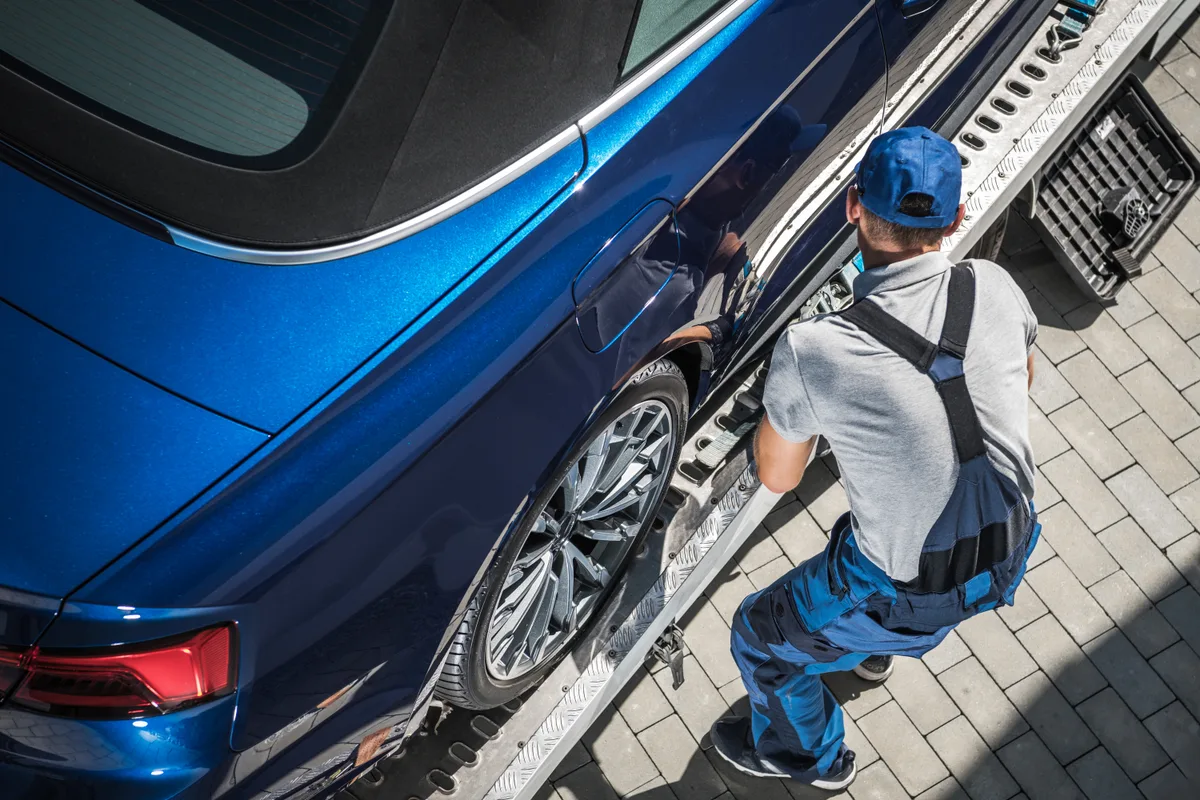
Damage to a vehicle on the hook, an accident involving the tow truck itself, or an injury to a bystander or the vehicle owner at a roadside scene can turn into a claim well after the job is closed and paid. Commercial auto and garagekeepers' liability insurance responds first, but a claim that exceeds the policy, or a gap the policy does not cover, reaches whoever owns the business. As a sole proprietor, that is you personally — your house and savings included. As a corporation, it generally stops at the company's assets. What the corporation does not erase is unremitted HST and source deductions, which stay a director's personal problem regardless of the corporate wall around everything else.
The more drivers and trucks a company runs, the stronger this argument gets, because an owner answers for every driver's work on the road, not just their own. A single-truck owner-operator still faces real exposure — one bad recovery is enough — but a multi-truck fleet is compounding that exposure across every shift, every day.
Certificates attach to people; ownership does not have to
Ontario's Towing and Storage Safety and Enforcement Act licenses the business as an operator and licenses individual drivers separately, so incorporating does not remove the need for each driver to hold a valid certificate — it changes who the operator certificate is issued to. Confirm with the licensing body which certificates need to be reissued in the corporation's name before the switch, because a gap in a valid operator certificate is a bigger operational risk than a gap in insurance. Vehicle-storage certificates for the yard follow the same logic, and a business running both an operator certificate and a storage certificate should confirm both transfer together, not on separate timelines.
Build a short checklist before the cutover date rather than discovering requirements mid-switch: which certificates are held personally versus by the business today, what the licensing body's timeline is for reissuing each one, and whether any driver's individual certificate needs updated employer information even though the certificate itself stays with them. A brief gap here can mean a truck that is legally unable to operate for a few days, which is a far more expensive problem than the incorporation paperwork itself.
Who should own the trucks and the storage yard
Once the corporation exists, it is usually the right owner for the fleet: financing and leases in the company's name build a corporate credit history, HST on truck purchases and fuel comes back through input tax credits, and a truck involved in an accident is a corporate asset, not a personal one. A storage yard you own outright is worth a separate conversation — real property that holds its value independent of the towing operation is often better held in a second corporation and leased to the operating company, so a claim against the towing business does not put the land at risk. It is the same logic covered for other property-holding owners on our incorporation and compliance page.
| Asset | Usual owner | Why |
|---|---|---|
| Trucks and equipment | The operating corporation | Financing, ITCs, and depreciation belong with day-to-day operations |
| Storage yard real estate | A separate holding corporation, leasing to the operating company | Insulates land value from operating claims |
| Operator certificate | The operating corporation | Issued to the entity running the towing business |
Moving from a sole proprietorship
An operator already running as a sole proprietor typically transfers trucks, equipment, and goodwill into the new corporation on a tax-deferred section 85 rollover, then works through a short list of counterparties: the licensing body for certificate reissuance, the insurer for a new named-insured policy, the bank and fuel-card provider, and CRA for a new business number with HST and payroll accounts. Registering for HST from day one, even below the $30,000 threshold, keeps input tax credits on trucks and fuel from being stranded in the wrong entity during the switch. Pick the cutover date deliberately — a slower month beats mid-winter storm season for sorting out paperwork — and notify motor clubs and insurer programs of the new billing entity so payments do not get delayed chasing the old name. The sole proprietorship files a final T2125 to the changeover date, and the corporation's first T2 year starts clean from there rather than tangled with a partial prior period. Once the corporation is running, monthly bookkeeping through our towing bookkeeping service keeps the fleet and dispatch numbers clean from the first invoice.
Common questions.
Does incorporating protect me if a tow goes wrong?
It sets a boundary once your insurance responds first. Commercial auto and garagekeepers’ liability cover the claim itself; incorporating stops an uncovered or excess claim from reaching your personal assets rather than the company’s.
Do our drivers still need individual TSSEA certificates after we incorporate?
Yes — driver certificates are issued to individuals regardless of the business structure. What changes is the operator certificate, which needs to be reissued to the corporation rather than to you personally.
Should the storage yard be owned by the same company that runs the trucks?
Often not. Holding real property in a separate corporation and leasing it to the operating business keeps the land’s value insulated from claims against the towing operation itself.
Related reading
Put the fleet behind a corporate wall.
Book a consultation and get a plain answer on exactly what applies to you.