
Who We Help · Roofing Contractors · Payroll
Roofing payroll: the WSIB rate, the subcontractor test, and the winter ROE
Roofing sits in one of the most expensive WSIB rate classes in Ontario, which makes every payroll decision in this trade cost more than it does anywhere else — and makes the temptation to call everyone a subcontractor stronger than anywhere else. We run roofing payroll so the classification calls hold up, the burdened labour rate is the one your quotes use, and the winter ROEs go out before crews start calling.
By the AnalytIQ Accounting team · Last reviewed: August 12, 2026
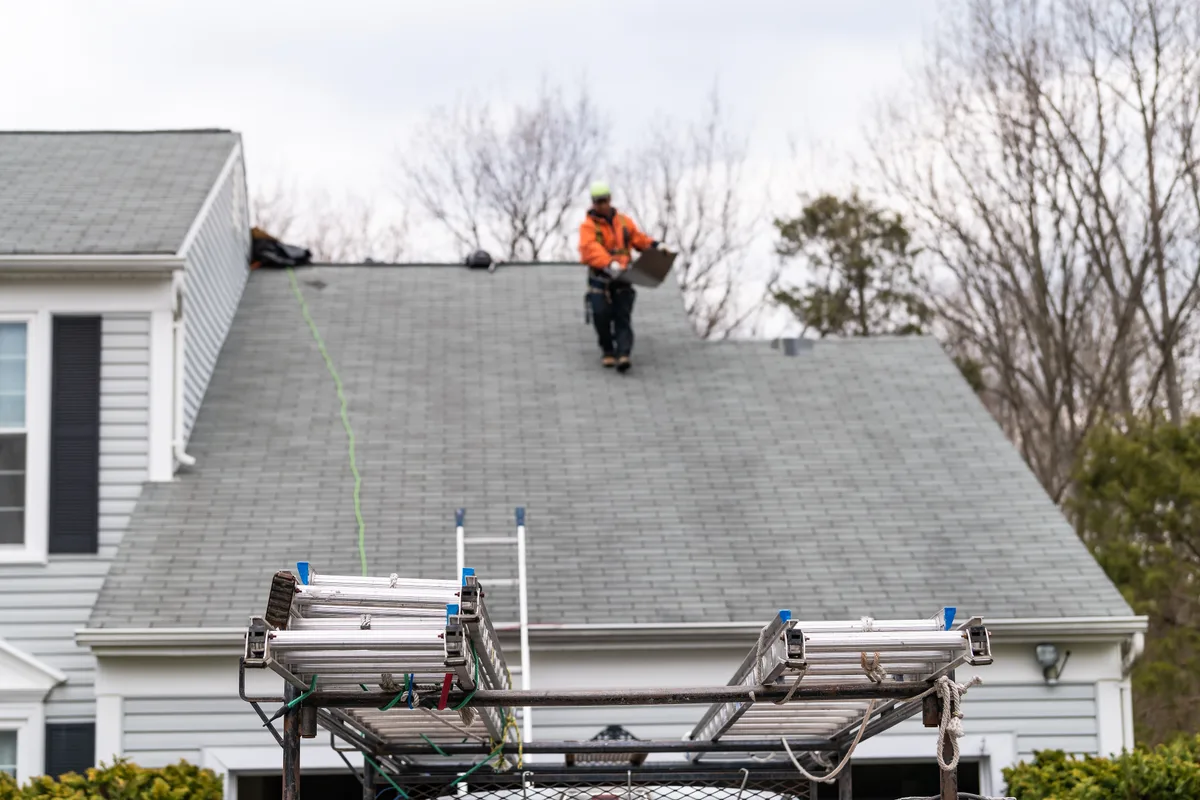
Roofing pays some of the highest WSIB premiums in the province
Start with the number that shapes everything: roofing's WSIB rate class sits near the top of the premium schedule, a multiple of what most trades pay per $100 of insurable earnings. Premiums apply to gross insurable earnings — wages, vacation pay, most taxable parts of the cheque — so the premium amplifies every other payroll choice you make. A raise costs more than the raise. An off-the-books helper is a bigger liability than in any other trade. And a worker misclassified as a sub is not just a CRA problem; it is years of back-premiums at roofing rates.
That premium is also why the burdened labour rate matters more here than anywhere else in construction. Wage plus employer CPP and EI, plus WSIB at your class rate, plus vacation accrual, plus EHT once Ontario payroll passes the $1 million exemption — that is what a crew hour costs, and it is the only labour number a roofing quote should ever be built on.
The tests that decide employee or subcontractor
No contract wording makes a roofer a subcontractor — CRA weighs the whole working relationship, and WSIB runs a parallel analysis for premiums. The factors are stable and worth knowing cold:
| Factor | What it looks like on a shingle crew |
|---|---|
| Control | Who decides which roof, what start time, what method? If your foreman does, that points to employment |
| Tools and equipment | A tool belt and nail gun prove little; a compressor, ladders, truck and own safety gear carry real weight |
| Chance of profit, risk of loss | A genuine sub quotes the job and eats the rework when a valley leaks; a day-rate worker risks nothing |
| Independence and intent | Other roofing companies on their invoice list, their own WSIB account and insurance, conduct matching the written contract |
A crew that fails most rows belongs on T4 payroll, with T5018s reserved for the subs who genuinely pass. Moving a borderline worker onto payroll on your own timetable costs the employer share going forward; letting CRA or WSIB move him costs both shares retroactively, plus penalties, interest and premiums at roofing rates.
A season with a hard stop
Roofing runs from spring to freeze-up and then simply stops, so layoff ROEs — coded A for shortage of work — need to go out within five calendar days of the end of the pay period the layoff lands in, with insurable hours and earnings that reconcile to the register. Crews come back in spring to the companies whose paperwork did not cost them December EI. Layoff week is also when the vacation decision gets made: pay out accrued vacation on the final cheque or carry it, and the choice affects both the ROE figures and the January cash the crew sees. We plan the layoff run in October — final hours confirmed, vacation positions decided, ROE blocks reconciled — so the whole crew's paperwork lands the same week the ladders come down.
Mid-season weather has its own rule worth knowing: under Ontario's three-hour rule, an employee who regularly works longer shifts and reports to work only to be sent home early is generally owed three hours' pay. Calling the crew off before they leave home costs nothing; calling it on the driveway does not.
Training time is payroll too
Ontario requires working-at-heights training from an approved provider for construction workers who may use fall protection — which is effectively an entire roofing crew. The course hours for your employees are paid time, the certificates expire and need renewal tracking alongside licences and WSIB clearances, and the cost belongs inside the burdened rate rather than treated as a surprise. We keep the expiry calendar inside the payroll file, because an expired certificate discovered by an inspector shuts a site down faster than weather does.
Labour is only half the margin story this decade — tariffs on shingles and steel move material costs in ways you cannot control, which is exactly why the labour cost you can control has to be measured properly. Per-job burdened labour flows from payroll into our roofing contractor bookkeeping, and the tariff and import side lives with our cross-border work for roofing companies.
Common questions.
Why are my WSIB premiums so much higher than other trades?
Roofing sits in one of the highest-rated classes on WSIB's premium schedule because of the injury risk of the work. Premiums apply to gross insurable earnings, so the rate multiplies through wages, vacation pay and most of the cheque.
My roofer has his own truck and nail gun — is he a subcontractor?
Not on that basis alone. CRA weighs the whole relationship: who controls the work, who carries chance of profit and risk of loss, whether he quotes jobs and works for other companies. Light tools prove little; quote risk and independence prove a lot.
Do I need to issue ROEs when the roofing season ends?
Yes — a seasonal shutdown is an interruption of earnings, so each laid-off employee needs an ROE, normally coded A for shortage of work, within five calendar days of the end of the pay period. Accurate, on-time ROEs are what keep crews coming back in spring.
Related reading
Payroll priced for the roof.
Book a consultation and get a plain answer on exactly what applies to you.