
Who We Help · Rideshare Drivers · Tax Services
Rideshare and delivery driver taxes: registered from ride one, deducted like a business
If you drive passengers for Uber or Lyft, GST/HST registration is mandatory from your very first fare — the $30,000 small-supplier threshold does not apply, because ride-sharing is a taxi business under the Excise Tax Act. Deliver food or parcels instead and the normal threshold still protects you. Most drivers do both and get the split wrong. We register you correctly, file the T2125 and GST34, and turn your logbook into real deductions and input tax credits.
By the AnalytIQ Accounting team · Last reviewed: August 12, 2026
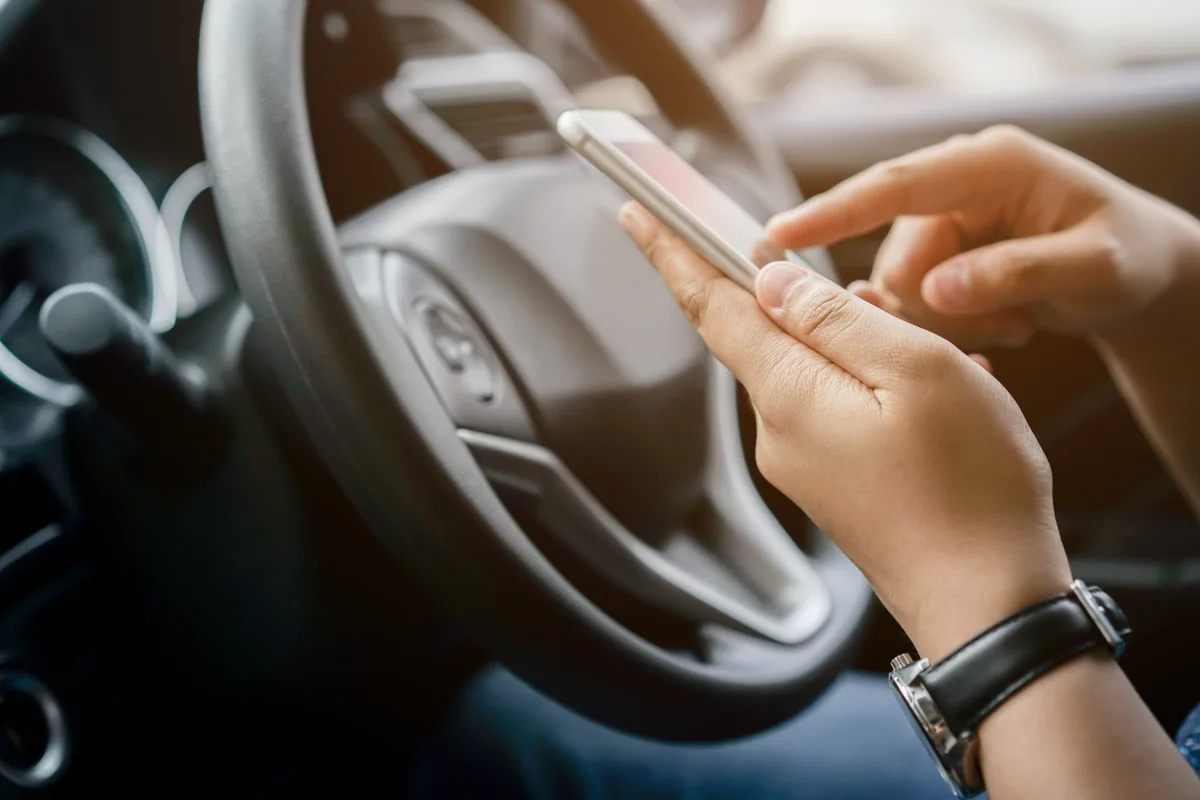
Rideshare is a taxi business; delivery is not
The 2017 amendment that folded commercial ride-sharing into the definition of a taxi business removed the small-supplier threshold for every rideshare driver in Canada. Registration is required before revenue exists in any meaningful amount — from ride one. Courier work sits under the ordinary rules: no registration required until you cross $30,000 over four consecutive calendar quarters.
| Question | Rideshare (Uber, Lyft) | Delivery (DoorDash, Uber Eats, Instacart) |
|---|---|---|
| When must you register? | Before your first fare — no threshold | After $30,000 in four consecutive quarters |
| Why? | Ride-sharing is a taxi business under the ETA | Courier services follow normal small-supplier rules |
| HST on your earnings | 13% is inside every Ontario fare; you remit it | None until registered; then it applies to delivery fees too |
| If you do both apps | Forces registration on day one | Once registered, delivery income becomes taxable too |
That last row is the trap. Registration is not per-app: it attaches to you. A driver who registers for Uber and keeps DoorDash earnings out of the GST34 has a compliance gap on every filing. And if you have been driving unregistered, CRA can register you retroactively and assess HST out of fares you already spent — catching up voluntarily, before the letter arrives, is dramatically cheaper.
Remitting less: the quick method usually pays for drivers
Fares arrive with 13% HST inside them — the platform collects it from the rider and passes it through your payout for you to remit. Because a driver's input tax credits are modest in most years, the quick method is often the better election: in Ontario you remit roughly 8.8% of your tax-included fares instead of tracking every ITC, with a further credit on the first $30,000. In a year you buy a car, the regular method can win instead — we run both numbers before electing, because the election binds you for a year.
The vehicle: deductions and ITCs follow the logbook
Every vehicle number on the T2125 is scaled by your business-use percentage, and the only evidence CRA respects is a kilometre log that separates personal driving from app-on driving. From there:
- Operating costs — fuel, insurance, maintenance, car washes, the business share of your phone plan — are deductible and carry recoverable HST.
- The car itself is capped: passenger vehicles above the Class 10.1 ceiling ($38,000 for 2025 purchases) depreciate only up to the ceiling, and lease deductions have their own monthly limit.
- ITCs on the vehicle flow through the CCA claim each year for a passenger vehicle used less than 90% commercially — not as one big credit at purchase.
- Loan interest on the car is deductible up to a monthly ceiling, again scaled by business use.
The order of operations matters: claim CCA on the T2125 first, then compute the vehicle's input tax credit from that claim at year-end. Doing it backwards, or skipping CCA to keep things simple, quietly forfeits the credit.
Platform fees, booking fees, and commissions the app deducts are expenses — but only if you report gross fares first. Reporting your net deposit understates both income and expenses and never reconciles to what CRA has been told.
CRA already has your platform numbers
Since 2024, the Reporting Rules for Digital Platform Operators — Part XX of the Income Tax Act — require Uber, Lyft, DoorDash and the rest to report your identity and gross earnings to CRA every January. Your annual tax summary and the platform's CRA filing must land on the same T2125, which makes casual under-reporting a matching letter waiting to happen. Everything the app pays is income — tips, surge, quests, streak bonuses, referral payments — whether or not it appears on a slip. Most drivers file the GST34 annually, with quarterly instalments once annual net tax passes $3,000. The rest is rhythm: CPP on your net profit at both the employee and employer halves, quarterly instalments once your balances owing recur, and a GST34 whose fare figures tie to the summaries. Drivers in border cities occasionally carry passengers or loads into the US, and US platform payouts raise their own questions — we handle those on our cross-border tax page for drivers. If you have grown into several cars and hired drivers, the analysis shifts from T2125 to T2 — worth a conversation before, not after, the fleet exists.
Common questions.
Do I really need a GST/HST number before my first Uber ride?
Yes. Commercial ride-sharing falls under the taxi business definition in the Excise Tax Act, which makes registration mandatory regardless of income — the $30,000 small-supplier threshold does not apply to rideshare fares.
I only deliver food. Do I have to register?
Not until your worldwide taxable revenue passes $30,000 over four consecutive quarters. But if you also drive passengers, rideshare forces registration, and from that point HST applies to your delivery earnings too.
What vehicle expenses can I actually claim?
The business-use share — from a kilometre log — of fuel, insurance, maintenance, lease or CCA (capped for passenger vehicles), plus phone and platform fees. If registered, you also recover HST on those costs as input tax credits, unless you have elected the quick method.
Related reading
File like a business, not an afterthought.
Book a consultation and get a plain answer on exactly what applies to you.