
Who We Help · Podiatrists & Chiropodists · Incorporation
Incorporating a foot clinic: the professional corporation and its limits
A chiropodist or podiatrist registered with the College of Chiropodists of Ontario can generally incorporate a professional corporation and run clinical and retail income through it, but the naming, share ownership, and retail-side questions are specific to this profession, not a copy of the rules for physiotherapists or chiropractors down the street. We set up the corporation to match the CCO’s actual rules and the way the clinic really operates, orthotics retail and room renters included.
By the AnalytIQ Accounting team · Last reviewed: August 12, 2026
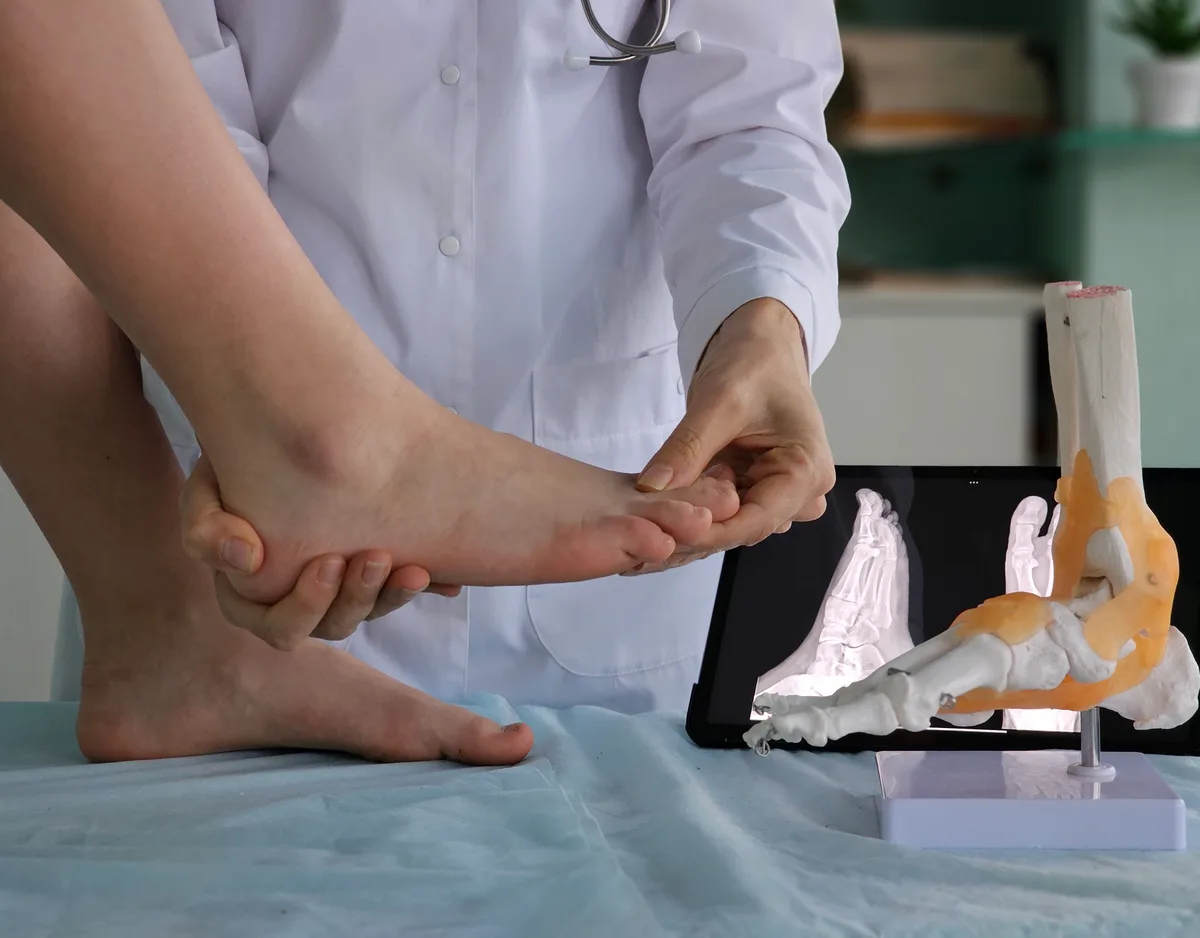
The chiropody professional corporation
Members of the College of Chiropodists of Ontario can generally incorporate as a professional corporation, letting clinical fees and orthotics revenue flow through one entity taxed at the small business rate on active income up to the usual limit. The corporate name typically has to include the member's name plus a permitted descriptor, and voting shares are generally restricted to the registrant and, in some structures, other CCO members — not a family member outside the profession, and not a hearing-instrument-style non-registrant business partner. Non-voting shares held by family members are common in Ontario health profession corporations broadly, but the specific allowance is set by CCO's own by-laws, which we confirm before the cap table is finalized. Two chiropodists opening a clinic together as equal partners is common enough that we treat it as a standard case rather than an edge one: a single professional corporation with both as voting shareholders usually works, but the shareholders' agreement still needs to cover what happens if one partner's CCO registration lapses or is suspended, since that affects the corporation's own standing to bill for clinical services.
Podiatrist or chiropodist: the designation on the door matters
Ontario has not registered new members in the podiatrist class for decades, so nearly every clinician incorporating a practice today does so as a chiropodist, with the grandfathered podiatrists who remain in active practice being the exception rather than the rule. The professional corporation's name and any marketing built around it should reflect the registrant's actual designation and scope of practice — a chiropodist's corporation should not imply the wider surgical scope that only the closed podiatrist class retains, since that mismatch is a college compliance issue well before it becomes a tax or corporate one. This is worth confirming early in the incorporation process specifically, because correcting a corporate name or a set of marketing materials after the fact is a bigger job than getting the designation right on the articles of incorporation the first time.
The orthotics and retail side does not need its own corporation
Unlike a business where a non-regulated partner owns the retail half, a foot clinic's orthotics and product sales are typically part of the same professional corporation as the clinical practice, since dispensing a device you have prescribed and fitted is part of the regulated scope of practice itself, not a separate retail business bolted on. This keeps the structure simpler than, say, an audiology clinic split between a regulated professional and a non-regulated dispenser — one corporation, one set of books, with GST/HST and ITC apportionment doing the work of separating the tax treatments rather than a second legal entity.
- Multi-clinic ownership — a chiropodist running two or more locations can operate them under one professional corporation or use a holding structure, depending on growth plans and whether a future partner or associate buy-in is likely.
- Associate and room-renter contracts — these are commercial arrangements the corporation enters into, and reviewing them at incorporation avoids inheriting informal terms that were never properly documented.
- Business number and program accounts — GST/HST, payroll, and WSIB accounts all need to be set up under the new corporation from its first day of operation, not backfilled once the paperwork catches up.
- Lab and supplier accounts — orthotic lab and retail supplier accounts should be transferred to the new corporate name so invoices, credit terms, and any volume pricing follow the entity that is actually paying for them.
What incorporation actually changes
Beyond the corporate tax rate, incorporation separates clinic liabilities — a lease, equipment financing, a patient claim — from the owner's personal assets, which matters in a business carrying real inventory and equipment exposure. Where a sole-proprietor clinic has operated for years before incorporating, we handle the transfer of assets, inventory, and existing insurer or ADP-style vendor registrations into the new corporation, including the elections available to move appreciated equipment in without triggering an immediate taxable gain, and confirming that existing extended-health assignment billing relationships and insurer-registered vendor status carry over cleanly to the new corporate entity rather than quietly lapsing at the transition and interrupting claims mid-stream. For a foot clinic with a US-trained clinician, see our cross-border tax page for foot clinics, and for what our incorporation service covers end to end, see our incorporation and compliance service.
Common questions.
Can a chiropodist incorporate a professional corporation in Ontario?
Generally yes, as a member of the College of Chiropodists of Ontario, with voting shares typically restricted to the registrant and, in some structures, other CCO members, and a corporate name reflecting the member and their designation.
Does a foot clinic need a separate corporation for orthotics retail?
Usually no. Dispensing a custom orthotic you have prescribed and fitted falls within the regulated scope of practice, so it typically sits inside the same professional corporation as the clinical practice rather than a separate retail entity.
Should a professional corporation call itself a podiatry corporation?
Only if the registrant actually holds the podiatrist designation, which Ontario has not issued to new registrants for decades. Most incorporating clinicians today are chiropodists, and the corporate name should match that designation.
Related reading
Set up the right structure from day one.
Book a consultation and get a plain answer on exactly what applies to you.