
Who We Help · Podiatrists & Chiropodists · Cross-Border Tax
Foot clinic cross-border tax: a narrow file, done properly
Most foot clinics have a thin cross-border file, and where it exists it usually traces to one of two things: a clinician who trained as a Doctor of Podiatric Medicine in the US before practising in Ontario, or a clinic that sends casts to a US orthotic lab and pays the invoice in US dollars every month. As at the time of writing, neither needs a long engagement — just the right one, handled once rather than patched together at tax time.
By the AnalytIQ Accounting team · Last reviewed: August 12, 2026
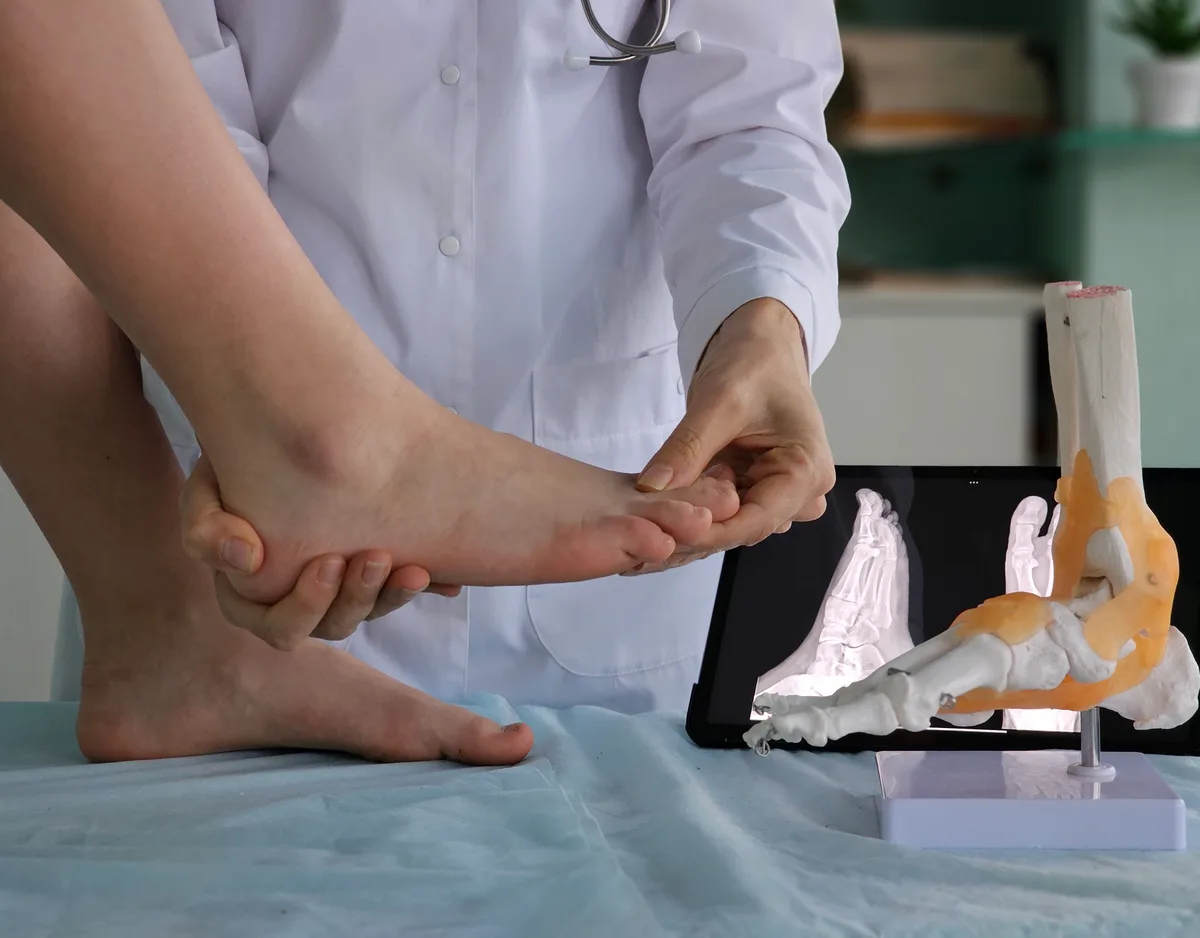
US-trained DPMs practising under Ontario's chiropody rules
A US Doctor of Podiatric Medicine program runs four years plus an optional surgical residency, a longer and more surgically focused pathway than Ontario's own chiropody training. Because Ontario has not registered new members in the podiatrist class for decades, a US-trained DPM returning to practise in Ontario generally registers with the College of Chiropodists of Ontario as a chiropodist, under the chiropodist scope of practice rather than the fuller surgical scope some grandfathered podiatrists still hold — a genuine mismatch between the credential earned and the scope actually available, and one worth understanding before assuming the US training translates directly into Ontario practice rights. On the tax side, the year of the move is still the standard cross-border resettlement year: Canada generally treats most property as acquired at fair market value on the date Canadian residency begins, so investment gains built up during the US training years usually escape Canadian tax, while the US side typically requires a final dual-status return covering the months of US residency before the move.
US student debt does not travel with a tax credit
Interest on a US student loan taken out for DPM training is not creditable on a Canadian T1 — the federal student loan interest credit applies only to loans under Canadian government student-aid programs — so the loan payment is a personal, after-tax cost regardless of how directly the education now supports the practice's income. Where a US residency stipend was modest relative to the debt it funded, we account for that when setting compensation from a professional corporation in the early years, sizing salary or dividends around the real personal cash need rather than around what the corporation could theoretically pay out on paper.
A retirement account or two, usually small
A US residency year occasionally comes with a 401(k) or a small IRA, and the choice on what to do with it follows the same paths available to any returning US-trained professional — leave it invested and file the appropriate withholding certificate with the custodian, transfer it into an RRSP under paragraph 60(j) of the Income Tax Act, or cash it out and accept the US withholding and penalty. We do not repeat the full mechanics on every specialty page we write; see what happens to a 401(k) or IRA when you move to Canada for the general rules, and we apply them to the specific balances and dates in your own file rather than treating it as a generic checklist.
Paying a US orthotic lab is a currency question, not a withholding one
Several well-known custom orthotic manufacturing labs operate out of the US, and a clinic that casts in Ontario and ships to one of them for fabrication is buying a manufactured device, not paying for services performed in Canada — so Regulation 105 withholding does not apply, unlike hiring a US technician to work inside your own clinic would. What it does create is a recurring USD cost line and a customs entry each time a finished orthotic re-enters Canada, with GST generally payable at the border on the value of the imported device; because the clinic is still engaged in commercial activity even though the eventual resale to the patient is zero-rated, that GST is typically recoverable as an input tax credit rather than a sunk cost. We track it the same way as any other USD supplier account — see our foot clinic bookkeeping page for how that reconciliation runs.
What we will not sell you
Most Ontario-trained chiropodists sending the occasional retail order to a US supplier do not, in fact, need a cross-border tax engagement — that is a bookkeeping question about currency and duty, not a personal tax file. Where the US thread is real — DPM training, a residency-era retirement account, US debt sized against a Canadian income — it deserves proper handling, and it is cheapest to settle in the year the professional corporation is set up rather than after several years of guessing at what the right treatment should have been all along. See our tax services for foot clinics for the domestic corporate filing this work sits alongside.
Common questions.
Can a US-trained DPM practise as a podiatrist in Ontario?
Generally no in the fullest sense — Ontario has not registered new podiatrists for decades, so a US-trained DPM typically registers with the College of Chiropodists of Ontario as a chiropodist, under that narrower scope of practice.
Does paying a US orthotic lab create a US withholding obligation?
No. Buying a manufactured orthotic from a US lab is a purchase of goods, not payment for services performed in Canada, so Regulation 105 withholding does not apply. The practical issues are currency exposure and GST at the border.
Is GST paid at import on an orthotic shipment recoverable?
Usually yes. Because the clinic remains engaged in commercial activity even though the resale to the patient is zero-rated, GST paid on the imported device is typically claimable as an input tax credit rather than an added cost.
Related reading
The two real cross-border questions, handled properly.
Book a consultation and get a plain answer on exactly what applies to you.