
Who We Help · Podiatrists & Chiropodists · Bookkeeping
Foot clinic bookkeeping: treatment, orthotics, and retail on one visit
A foot clinic can close out a single visit as an exempt assessment, a zero-rated custom orthotic on prescription, and a taxable pair of compression socks at the counter — three tax treatments from one appointment. Add an extended-health pre-authorization sitting in limbo and a lab invoice tied to a specific patient’s cast, and a single sales account cannot carry the load. We build books around the treatment, the device, and the retail line separately, so each one reconciles on its own terms.
By the AnalytIQ Accounting team · Last reviewed: August 12, 2026
One visit, three tax treatments
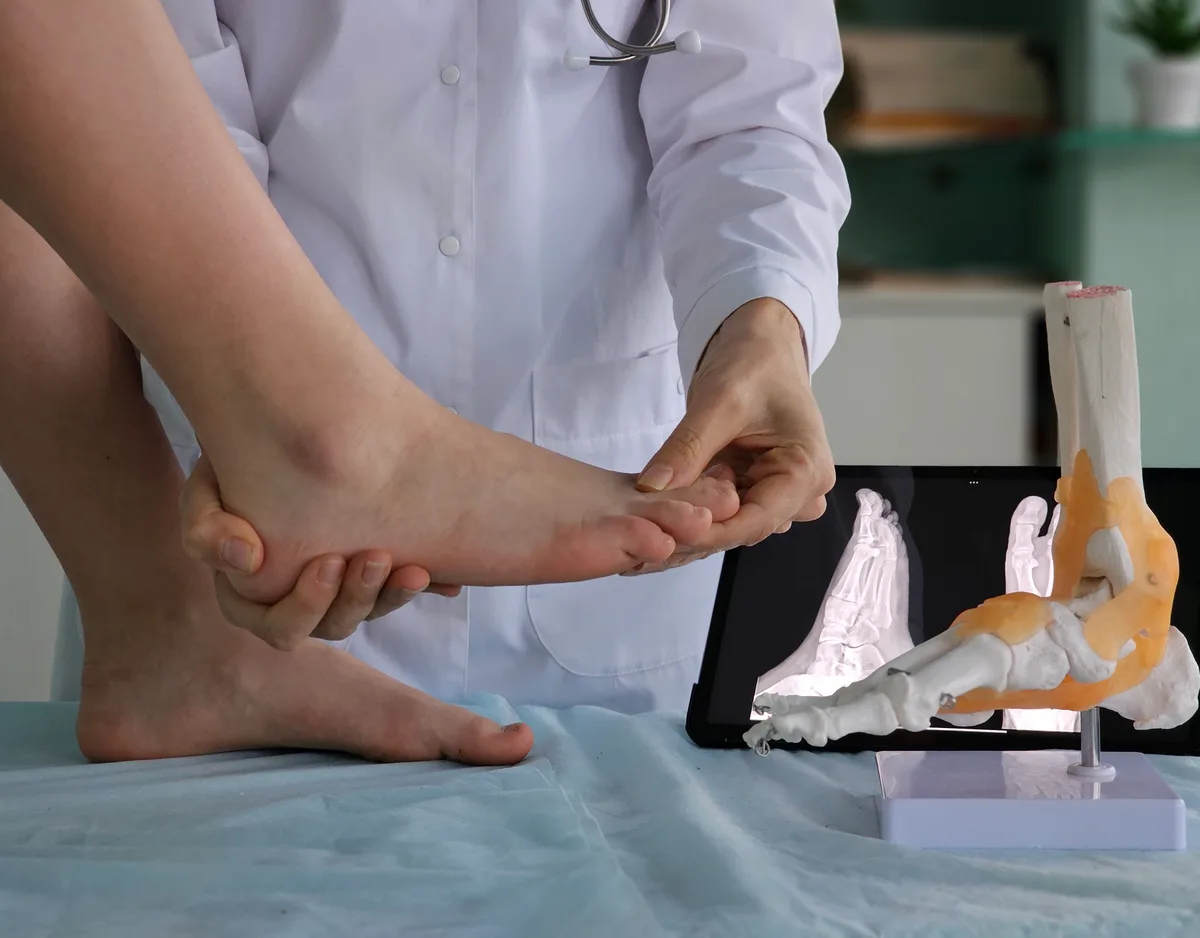
Clinical care from a chiropodist or podiatrist is exempt, a custom orthotic made to measure and supplied on prescription is zero-rated, and everything else on the shelf — insoles, orthopedic footwear, compression socks, foot-care products — is taxable retail. Blending the three into a single revenue line hides the number a foot clinic actually needs: how much orthotics and retail revenue each assessment generates.
| Revenue line | GST/HST | Bookkeeping effect |
|---|---|---|
| Assessments, treatment, nail and skin care | Exempt | No tax charged; no ITCs on costs tied to this side |
| Custom orthotics on prescription | Zero-rated | No tax charged, but ITCs on lab and material costs are claimable |
| Off-the-shelf insoles, footwear, foot-care retail | Taxable | HST collected and remitted; ITCs claimable |
| Rent, front-desk wages, clinic equipment | Mixed use | ITCs apportioned between exempt and commercial activity |
We map the POS and invoicing setup to these four lines once, so a visit that bundles a treatment, an orthotic order, and a retail sale splits correctly by default. See the difference between zero-rated and exempt supplies for the underlying rule this table applies.
Insurer pre-authorizations sit in limbo until they don't
Extended health plans routinely require a predetermination before approving a custom orthotic claim, which means a patient can be fitted and the lab invoice paid weeks before the insurer confirms what it will actually cover. We book the pending predetermination as a memo item rather than a receivable until it is approved, then convert it to a proper receivable against the confirmed coverage — so the accounts receivable aging report reflects claims that are actually collectible rather than a mix of confirmed and still-pending amounts that inflate the number. Plans also vary widely in what they require before approving a claim — some ask only for a receipt, others want a biomechanical assessment on file — and a clinic that tracks which plans slow-walk approvals can flag a patient's coverage before the fitting appointment rather than after the lab bill has already landed.
Orthotic labs turn every pair into a job-costed sale
A custom orthotic starts with a cast or a 3D scan sent to a lab — sometimes in-house, often external — and the lab's invoice is the direct cost of that specific patient's order, not a general supply expense. We match lab invoices to the orthotic sale they belong to, so gross margin per pair is a real number, and we track remakes and adjustments as their own cost line, since a rising remake rate is a clinical and margin signal the P&L should surface rather than bury inside a general supplies account. Clinics that cast in-house on a scanner rather than sending a physical mould still generate a lab cost on the manufacturing side, and we treat the scan-and-manufacture workflow the same way for job-costing purposes — the difference is in the clinical process, not in how the invoice should hit the books.
- WSIB and auto-insurer claims — workplace foot injuries and, less often, motor-vehicle claims follow their own billing and reconciliation cycle, separate from extended-health assignment billing.
- Retail inventory counts — periodic counts of insoles, footwear, and foot-care products catch shrinkage before it shows up as an unexplained variance at year-end.
- Associate and room-renter splits — where clinicians work on a percentage split or pay room rent, we calculate the split from the ledger each period rather than from a running spreadsheet someone has to remember to update.
- Multi-clinic consistency — a chiropodist running two locations gets one chart of accounts across both, so combined performance is one report away rather than a manual merge of two spreadsheets.
Equipment, imports, and the bigger picture
Gait-scan systems, sterilization equipment, and shockwave units are capitalized at full landed cost, including freight, duty, and the exchange rate on the payment date where the vendor bills in USD — common, since several orthotic labs and equipment suppliers operate out of the US and invoice accordingly. If your background includes US podiatric medical school, US student debt, or a US retirement account from time spent training there, our cross-border tax guide for foot clinics covers the reporting side. For what our monthly close actually includes for every client, see our bookkeeping services.
Common questions.
Are custom orthotics taxable in Ontario?
Custom orthotics made to measure and supplied on prescription are zero-rated, while off-the-shelf insoles and footwear are taxable retail, and the clinical assessment itself is exempt — three different treatments from one visit.
How should insurer predeterminations be recorded before approval?
As a memo item rather than a receivable, since the amount is not yet confirmed. Once the insurer approves the claim, we convert it to a proper receivable against the confirmed coverage.
Why track orthotic lab invoices against individual sales?
Because the lab charge is the direct cost of that specific patient’s order. Matching it to the sale is what makes gross margin per pair a real, usable number instead of a guess.
Related reading
Books built for treatment, orthotics, and retail alike.
Book a consultation and get a plain answer on exactly what applies to you.