
Who We Help · Pest Control Companies · Incorporation
Incorporating a pest control company: the licence has to move with the liability
A pest control company incorporates for the same core reason most trades do — putting a claim against the corporation instead of the owner — but the transition has a step most trades skip: the operator licence that authorizes the business to apply pesticide has to be reissued in the corporation's name before the corporation can legally take a service call. We sequence the corporate, insurance and licensing steps so there is no gap where the new company is operating on the old sole proprietor's authority.
By the AnalytIQ Accounting team · Last reviewed: August 12, 2026
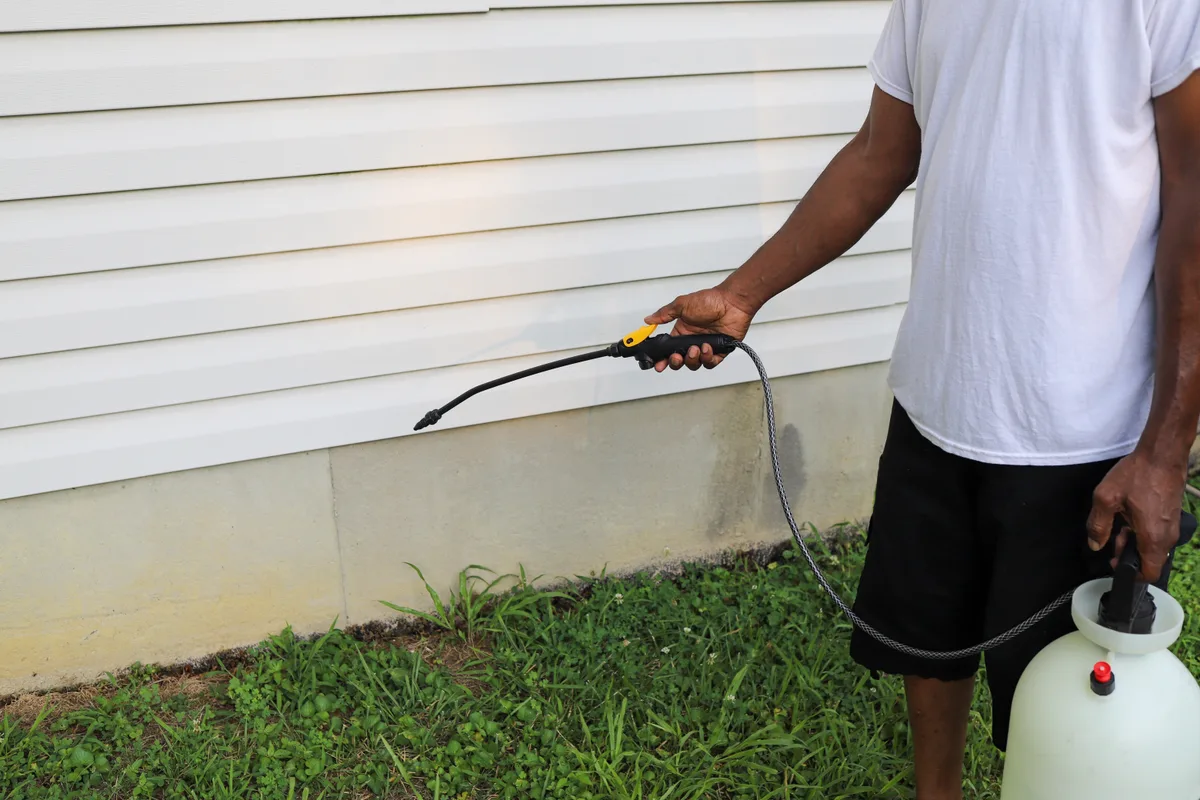
Liability: the reason to incorporate is the product you apply
Pesticide misapplication, an allergic reaction, damage to a neighbouring property or a pet, and a termite treatment that fails to hold are all claims that a corporation is built to absorb in place of the owner. A judgment against the corporation reaches the corporation's assets and its insurance first; it does not automatically reach the technician's or the owner's house. That is the strongest argument for incorporating before the business carries any real volume, and it does not remove the need for commercial general liability and pollution or professional liability coverage specific to pesticide application — a corporation with no policy behind it still leaves the owner exposed in practice if the claim exceeds what the company owns.
The shield has the usual limits worth naming plainly: directors remain personally liable for unremitted payroll deductions and HST, and a bank or equipment lender will typically want a personal guarantee for the first several years regardless of the corporate structure.
The operator licence has to follow the entity, not the person
Under Ontario's Pesticides Act, the business that applies pesticide commercially holds its own operator licence, separate from the individual exterminator licences held by technicians. When a sole proprietorship incorporates, the new corporation is a new legal entity and generally needs its own operator licence issued in its name; the old licence does not automatically transfer. We coordinate the incorporation date with the licensing application so the business is never operating a single day without valid authorization in the correct legal name — a gap here is not just an administrative loose end, it is unlicensed pesticide application.
| Item | What happens on incorporation | Why the timing matters |
|---|---|---|
| Operator licence | New application in the corporation's name | The old licence does not transfer with the assets |
| Individual exterminator licences | Stay with the technician | Unaffected by who employs them |
| Route vehicles and equipment | Rolled into the corporation, typically as a section 85 transfer | Preserves cost basis; avoids an immediate taxable disposition |
| Customer service plan contracts | Assigned or re-contracted to the corporation | Prepaid balances need to be tracked through the change cleanly |
Franchise agreements often require incorporation on their terms, not yours
If you operate or plan to operate under a US-headquartered franchise brand, the franchise agreement usually specifies that the franchisee must be a corporation, sometimes a single-purpose one that holds nothing but this business, and may restrict who can hold shares or require the franchisor's consent before an ownership change. We read the franchise agreement's structural requirements before drafting the articles of incorporation, because an incorporation done first and reconciled with the franchisor's requirements second usually means redoing paperwork the franchisor's legal team will not waive.
Multiple owners, or an eventual sale, argue for getting the structure right early
Pest control companies with more than one owner-technician, or a founder planning to sell the route book and plan customers to a larger operator down the road, benefit from a shareholders' agreement drafted alongside the incorporation rather than years later once informal understandings have hardened into disputes. Whether you need a shareholders' agreement covers what it should settle: what happens if a co-owner leaves, dies, or wants out, and how the customer base and route territory are valued if that happens. A holding company sitting above the operating corporation is worth considering once the business is profitable enough to accumulate retained earnings, since it lets you move surplus cash out of the entity that carries the pesticide application liability, though we only recommend the extra structure once the numbers justify the added cost of a second set of filings.
Tax and timing: the small business rate, and when the paperwork should happen
An Ontario corporation pays about 12.2 percent combined on the first $500,000 of active business income, a real deferral once the owner is taking home less than the company earns. Our plain-language guide to incorporating in Ontario covers where that threshold typically starts to matter. We generally recommend timing the switch for the slow season — winter, ahead of the spring call volume — so the licence transfer, the new bank account, the payroll setup and the vehicle titling can all be completed before the routes get busy, rather than mid-summer when nobody has a spare afternoon. The domestic tax filing that follows incorporation is covered on our tax services for pest control companies page, and the general incorporation service is on our incorporation and compliance page.
Common questions.
If I incorporate, does my pesticide operator licence transfer automatically?
No. The corporation is a new legal entity and generally needs its own operator licence application under Ontario's Pesticides Act. We time the incorporation date with the licensing application so there is no gap.
Do my technicians need new licences if the business incorporates?
No, individual exterminator licences belong to the technician and are unaffected by who employs them. Only the business-level operator licence needs to be reissued in the corporation's name.
Does my franchise agreement affect how I incorporate?
Often, yes. Many franchise agreements specify that the franchisee must be a corporation, sometimes a single-purpose one, and may require the franchisor's consent before an ownership change, so we review the agreement before drafting the articles.
Related reading
Incorporate without a licensing gap.
Book a consultation and get a plain answer on exactly what applies to you.