
Who We Help · Medical Spas · Incorporation
Medical spa incorporation: the corp, the medical director, and the liability line
A medical spa in Ontario is two businesses wearing one brand: a commercial company that sells laser packages, memberships, and skincare, and a clinical layer where injectables and other controlled acts happen under an authorized practitioner. Incorporate the commercial side as an ordinary Ontario corporation — it is not a professional corporation and should not try to be one — and paper the medical-director relationship as a contract between entities. Get that split right on day one and everything downstream, from HST to an eventual sale, gets simpler.
By the AnalytIQ Accounting team · Last reviewed: August 12, 2026
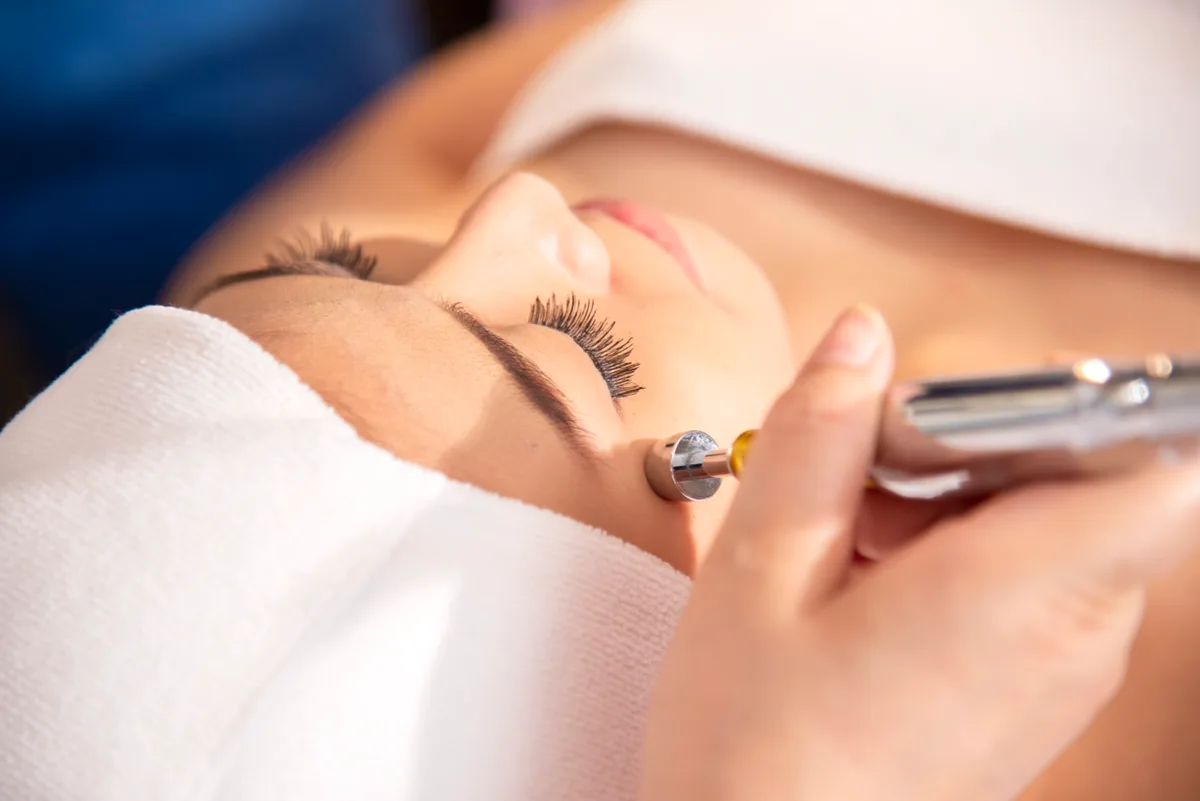
One brand, two layers — and only one of them is yours to incorporate
The commercial side of a medspa — device packages, memberships, skincare retail, the lease, the equipment financing — belongs in an ordinary Ontario corporation. Professional corporations are restricted to practising a profession; a medspa opco is a retail and service business, and it can be owned by anyone, physician or not. That is the entity that signs the lease, employs the front desk and the injectors, owns the client list, and holds the bank account.
The clinical layer is different. Injectables and other controlled acts must be performed by, or under the authority of, an authorized practitioner — typically a physician or nurse practitioner directing nurse injectors. How that oversight has to be documented (directives, delegation, chart review, who assesses whom before a needle moves) is set by the practitioners' colleges and gets updated, so confirm the current expectations with your regulator or college rather than copying a competitor's setup. What we can tell you with confidence is where the money should flow — and that is a structural question.
Paper the medical director as a contract, not a blur
Most medical directors bill the spa corporation a fee — monthly, per clinic day, or per file reviewed — usually through their own medicine professional corporation. That fee is a deductible expense to the spa opco and practice income to the director. Keep the boundary hard: the spa corporation sells treatments and products; the director's corporation sells medical oversight and nothing else. A written agreement should cover scope, chart access, termination, and what happens to booked patients if the director leaves, because losing the director can mean losing the legal basis for half the treatment menu.
A physician who owns the spa outright still needs the separate opco. A medicine professional corporation is restricted to the practice of medicine, and running a skincare retail floor through it invites exactly the college questions you want to avoid.
HST: you are the taxable kind of clinic
Unlike most health businesses we work with, nearly everything a medspa sells is taxable. Purely cosmetic procedures have been excluded from the GST/HST health-care exemption since 2010, so wrinkle-relaxer appointments, filler, laser hair removal, facials, and product retail all attract HST once revenue passes the $30,000 small-supplier threshold — which a medspa clears fast. The upside is real: registration unlocks input tax credits on the expensive end of the business. A single device purchase can carry five figures of HST that an exempt clinic could never recover. Incorporating first means the corporation registers once, before the first device invoice, instead of untangling a proprietor-era registration later.
What the corporation blocks, and what only insurance covers
The corporation puts the lease, the device debt, refund disputes, and slip-and-fall claims at arm's length from your personal assets. It does nothing for professional liability: injectors and the medical director answer to their own colleges and carry their own coverage, and a burn or filler complication will name everyone involved. Budget for commercial general liability plus entity-level malpractice coverage, and read financing agreements closely — a personal guarantee quietly undoes the corporate shield for that debt. Advertising is a regulatory exposure of its own: testimonial and before-and-after rules for regulated providers come from their colleges, so vet the Instagram plan with the same care as the share structure.
Buying a medspa versus building one
Established medspas trade on client lists and booked-out injectors, which makes acquisition tempting — and deal structure decides what you inherit.
| Route | What you take on |
|---|---|
| Build new | Clean history, full-cost CCA on new devices, your own medical-director deal — but a slow ramp while the client list grows |
| Buy assets | You pick the devices, lease, and client list; equipment gets a stepped-up cost, and an election can often relieve HST on the transfer. Negotiate who honours prepaid packages |
| Buy shares | Everything comes along — unremitted HST on treatments wrongly billed as exempt, gift-card and membership balances, staff seniority. Price the diligence in |
Prepaid revenue deserves its own line in any deal: memberships and package credits are cash the seller already spent and treatments you now owe. On a share purchase they are simply your problem; on an asset purchase they are a price adjustment — count them before you sign. And since many devices and injectable supply chains run through the US, import costs and withholding questions belong in the model too; we cover them on our medical spa cross-border tax page.
Sequence for a new build: incorporate, register the HST account, sign the medical-director agreement, then the lease and the financing — all in the corporation's name from day one. Our incorporation and compliance service handles the filings and keeps the T2, minute book, and registrations current afterward.
Common questions.
Can a non-physician own a medical spa in Ontario?
Yes — the spa operating company is an ordinary corporation anyone can own. Controlled acts like injections still have to be performed by or under the authority of an authorized practitioner, on terms your regulator or college sets, which is why the medical-director agreement matters as much as the articles.
Do medical spas charge HST?
Almost always. Purely cosmetic procedures have been excluded from the health-care exemption since 2010, so treatments and retail are taxable once you pass $30,000 in four rolling quarters — and registration lets the corporation recover HST on device purchases.
Is it better to buy an existing medspa or start fresh?
Buying assets is the usual default: you get the devices, lease, and client list with a stepped-up cost and leave the seller's history behind. A share purchase can work, but only with diligence on prepaid packages, HST treatment, and staff obligations priced in.
Related reading
A structure that survives audits and a sale.
Book a consultation and get a plain answer on exactly what applies to you.