
Who We Help · Medical Spas · Cross-Border Tax
Medspa cross-border tax: US devices, injectables and the HST line through it all
Almost everything a medspa buys — laser platforms, handpieces, consumables, injectables — starts life at a US vendor, and almost everything it sells is a taxable cosmetic service. That combination is actually favourable: GST paid at the border on a device comes back as an input tax credit to the extent the device does taxable cosmetic work, which for most medspas is nearly all of it. The traps sit at the edges: exempt medical work mixed into the schedule, unauthorized injectable sourcing, and US trainers paid without the 15 percent Regulation 105 withholding.
By the AnalytIQ Accounting team · Last reviewed: August 12, 2026
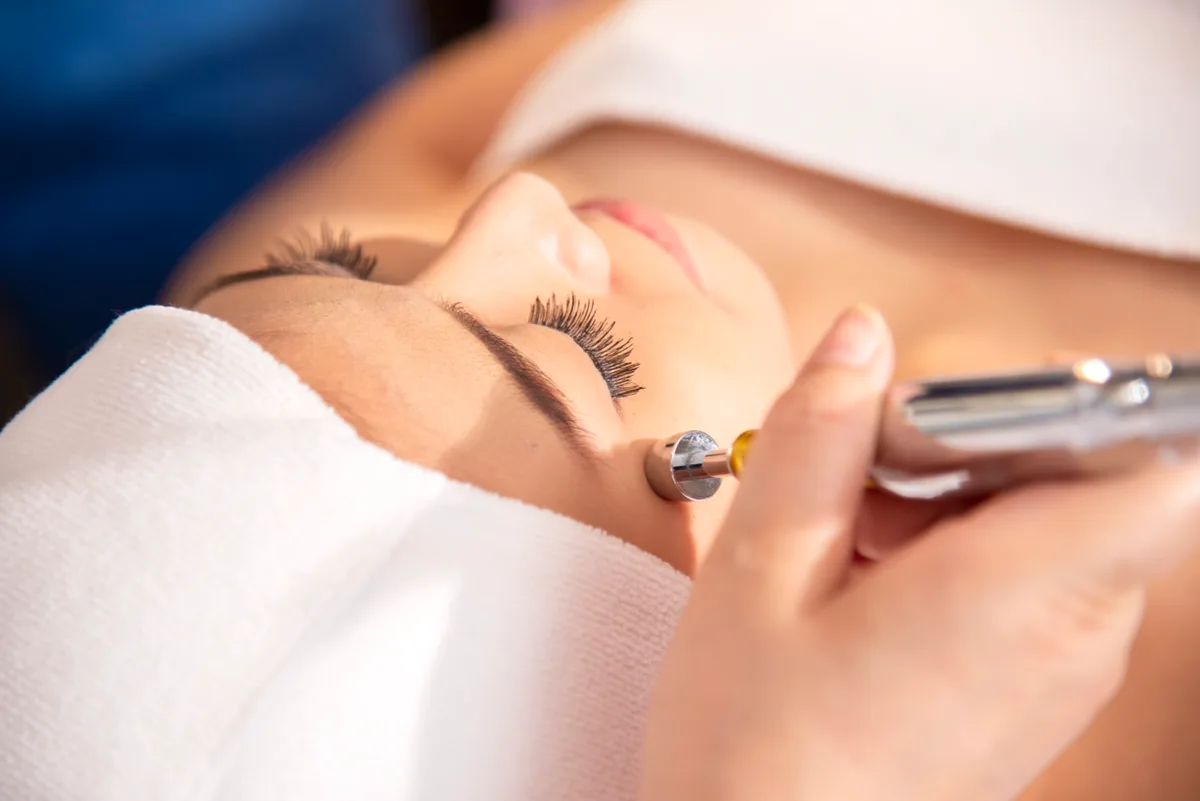
Cosmetic is taxable — and that decides what your imports cost you
Purely cosmetic procedures are subject to GST/HST; only work with a genuine medical or reconstructive purpose stays exempt. The exclusion reaches every service supplied in respect of a cosmetic procedure, so a nurse injector or an overseeing physician does not convert a taxable treatment into an exempt one — the purpose of the procedure decides, not the credentials in the room. Once taxable revenue passes the $30,000 small-supplier threshold over four quarters, registration is mandatory, and most medspas cross it within weeks of opening.
For the border, taxable status is good news: it is what lets you recover the GST charged on imported equipment. A clinic that mixes exempt medical dermatology with cosmetic work recovers proportionately less, and needs a defensible method for the split.
US devices at the border: duty, GST and who gets it back
Aesthetic platforms — lasers, RF, body-contouring systems — are overwhelmingly bought from US manufacturers, quoted in USD. Most enter Canada duty-free, either because the tariff rate is already nil or because a CUSMA certification of origin covers the US-made unit; ask the vendor for the certification before the machine ships, not after the broker calls. Duty or not, 5 percent GST is payable at the border on the Canadian-dollar value, and it flows back as an input tax credit only to the extent the device serves taxable cosmetic services.
Two flags before you wire a deposit. The device must hold the appropriate Health Canada licence for its class to be imported and used commercially, and used or refurbished units from US resellers face the same licensing rules plus sharper customs-valuation questions.
Injectables: the supply chain is the compliance file
Neurotoxins and dermal fillers are prescription-regulated products, and the safe route is a Health Canada-authorized Canadian distributor — typically with no tax on the purchase, since prescription-restricted drugs are zero-rated. Importing product directly from US or offshore discount suppliers is a regulatory problem before it is ever a tax one, and it is the kind of finding that ends careers when a college inspects. On the revenue side the analysis flips: injected for appearance, the treatment you charge the client is a taxable cosmetic service.
| What you buy | Border and withholding | HST position |
|---|---|---|
| US-made laser or RF platform | Usually duty-free with CUSMA certification; 5 percent GST at the border | ITC to the extent of taxable cosmetic use |
| Handpieces, tips and consumables | Same treatment, shipment by shipment | ITC with the same apportionment |
| Injectables via an authorized Canadian distributor | No border file for you | Typically zero-rated — nothing to recover |
| On-site install, service or training by US vendor staff | Regulation 105: 15 percent withheld from the service fee, T4A-NR slip | Income-tax withholding, not a sales-tax event |
| Remote support or extended warranty billed from the US | No Reg 105 — no services performed in Canada | Generally clean for a mostly-taxable clinic |
US trainers, certification weeks and Reg 105
When a US-based trainer or key opinion leader flies in to certify your injectors, their fee is for services performed in Canada: you withhold 15 percent under Regulation 105 and issue a T4A-NR, even for a single day, unless the trainer secures a CRA waiver in advance. Vendors love bundling the training into the device contract — insist the service portion is broken out, because the withholding attaches to it and not to the equipment price. Your own team attending US aesthetics congresses is the easy direction: deductible professional development, converted to Canadian dollars at the dates paid.
One clinic file, both sides squared
We run the border pieces inside the same file as the domestic ones — the cosmetic-versus-medical revenue map that drives your ITC rate, device imports timed and documented, distributor invoices checked, and Reg 105 handled before the trainer lands. The wider HST mix, memberships and associate structures live in our medical spa tax services, and the full treaty toolkit at cross-border tax services. Boutique, cloud-first, fixed fees quoted after a discovery call.
Source: CRA — GST/HST Policy P-256, qualifying health care supplies.
Common questions.
Does physician oversight make our injectable services HST-exempt?
No. The test is the purpose of the procedure, not who supervises it — purely cosmetic treatments are taxable even when a physician oversees or administers them, while genuinely medical or reconstructive work stays exempt.
Can we recover the GST we paid importing a US laser?
Yes, through input tax credits, to the extent the device is used in taxable cosmetic services. A pure medspa typically recovers nearly all of it; a clinic mixing exempt medical work must apportion and keep evidence of the split.
A US trainer is flying in to certify our nurses. Do we withhold?
Yes — 15 percent under Regulation 105 on the fee for services performed in Canada, reported on a T4A-NR, unless the trainer obtains a CRA waiver first. Purely remote support billed from the US carries no Reg 105 withholding.
Related reading
Priced for the border before the device ships.
Book a consultation and get a plain answer on exactly what applies to you.