
Who We Help · Medical Labs & Imaging Clinics · Tax Services
Medical lab and imaging tax services: filing around exempt, capital-heavy revenue
An Independent Health Facility earns almost entirely exempt revenue under GST/HST, which sounds simple until you own the equipment behind it — because exempt status blocks the input tax credits a taxable business would claim on six-figure imaging machines. We file the T2, plan the capital cost allowance claim, and structure interpretation-fee deductions around that reality rather than treating the practice like an ordinary taxable business that happens to be in health care.
By the AnalytIQ Accounting team · Last reviewed: August 12, 2026
OHIP-insured services are exempt, and that has a real cost
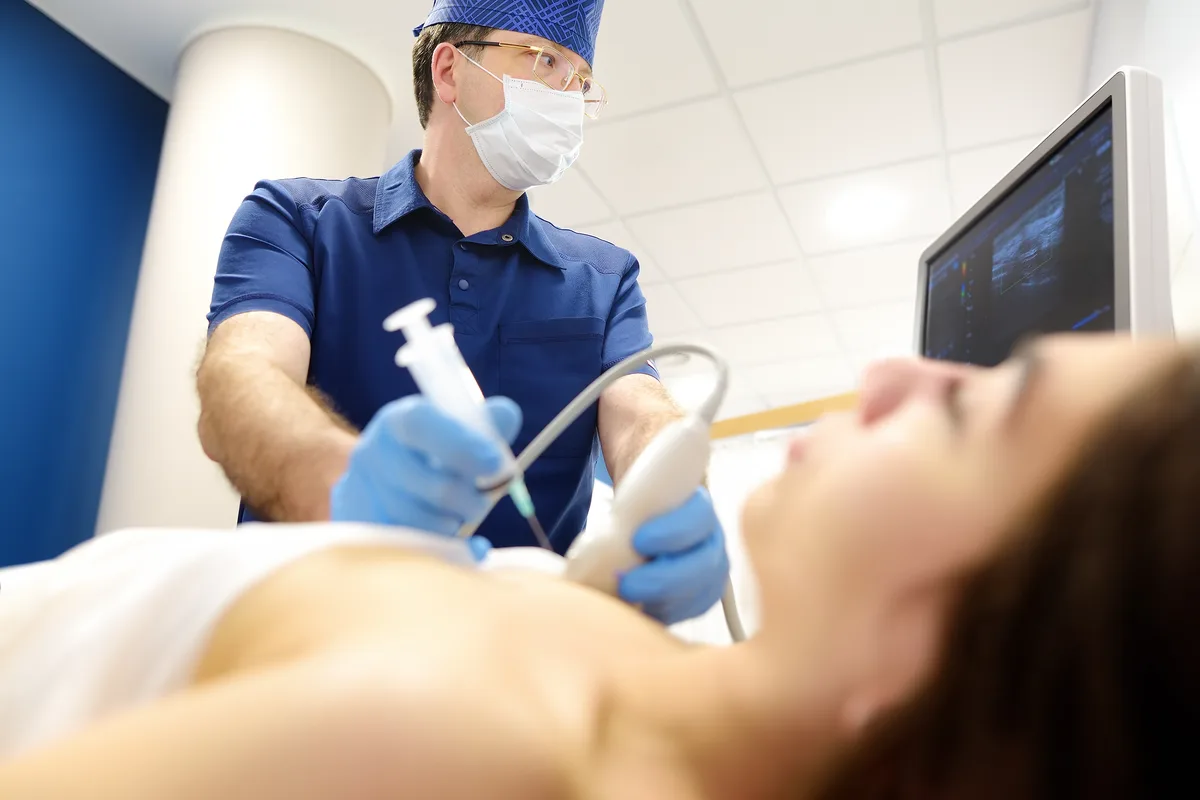
Diagnostic imaging and lab studies billed to OHIP are basic health care services, exempt from GST/HST — no tax charged to the patient or to OHIP, and no input tax credits recovered on the costs behind the service. For most exempt professionals that trade-off is manageable because their overhead is modest; for a facility running an ultrasound suite, an x-ray room, or a bone densitometer, it means the HST on some of the largest purchases a small business ever makes is simply gone. See the difference between zero-rated and exempt supplies for why that recovery exists elsewhere and not here.
A facility with a genuinely taxable side — cosmetic imaging not covered by OHIP, or third-party medical-legal reports commissioned by an insurer rather than performed to treat the patient — does get to recover input tax credits on the share of costs tied to that taxable activity, apportioned the same way any mixed-use practice apportions shared overhead. We flag that taxable slice early, because facilities that assume everything is exempt sometimes miss real ITC recovery sitting in plain sight.
Capital cost allowance on the equipment that actually runs the business
Ultrasound units, x-ray systems, DXA scanners, and the computers and software running them are generally depreciated as Class 8 equipment at 20% declining balance, with imaging and diagnostic software often falling into Class 50 at 55%. The accelerated investment incentive suspends the usual half-year rule for eligible purchases available for use before 2028, materially increasing the first-year claim on a purchase in the hundreds of thousands of dollars.
| Decision | Tax effect |
|---|---|
| Buy the equipment outright | CCA claim on the T2; HST on the purchase is largely a sunk, non-recoverable cost |
| Lease the equipment | Lease payments deducted as an operating expense; no CCA claim, no ITC recovery either |
Because the HST recovery gap is the same either way, the lease-versus-buy decision comes down to financing and cash flow rather than tax, which is exactly the kind of comparison worth running before a purchase order goes out — see should my business lease or buy equipment.
Instalments and a filing calendar built around equipment cycles
A T2 is due six months after the corporation's fiscal year-end, with any balance owing generally due two or three months after year-end depending on small business deduction eligibility, and corporate tax instalments become mandatory once net tax owing exceeds a modest threshold in two consecutive years — routine for most established facilities. What is less routine is timing a major equipment purchase against that calendar: a purchase made just before year-end captures a full year of the accelerated first-year CCA claim under current rules, while the same purchase made weeks later pushes that benefit into the following fiscal year. We flag equipment purchase timing as part of year-end planning rather than leaving it to whenever a machine happens to arrive.
Interpretation fees, and the T2 for a physician-owned facility
Professional fees paid to radiologists for interpreting studies are an ordinary deductible cost against the facility's technical-fee revenue, whether the facility bills OHIP directly or the arrangement runs through a separate contracting structure with the reading group. Where the facility itself is a corporation — often owned wholly or partly by one or more physicians — active practice income is generally eligible for the small business deduction, taxed at roughly 12.2% on the first $500,000 as at the time of writing, the same rate any other Ontario-incorporated active business qualifies for. Ownership structure and any physician self-referral restrictions under Ontario's health legislation shape who can hold equity in the first place; that question belongs on our incorporation page for medical labs and imaging clinics, since it needs to be settled before the T2 is ever filed.
What the border adds to this file
Equipment and service contracts sourced from US manufacturers, and radiologists reading studies from outside Canada, both carry tax questions beyond the domestic GST/HST and CCA picture above — a US-based service technician performing maintenance inside your Ontario facility can trigger Regulation 105 withholding in a way a radiologist reading remotely from the US generally does not. We cover both scenarios properly on our cross-border tax page for medical labs and imaging clinics, and our tax services page covers what a full engagement includes.
Common questions.
Can an imaging facility recover HST on new equipment?
Generally no. Because OHIP-insured diagnostic services are exempt basic health care services, the input tax credits a taxable business would otherwise claim on equipment purchases are largely blocked, regardless of whether the equipment is leased or purchased outright.
Does leasing equipment instead of buying it change the tax picture?
Not on the HST side — the recovery gap exists either way. It changes the deduction from a capital cost allowance claim to an operating expense, so the decision usually comes down to financing and cash flow rather than tax.
Is all of our revenue exempt from GST/HST?
OHIP-billed studies are, but genuinely taxable revenue — cosmetic imaging outside OHIP, or third-party medical-legal reports — supports its own input tax credit recovery on the related share of costs. We check for that taxable slice on every file.
Related reading
Filings that respect an exempt, capital-heavy practice.
Book a consultation and get a plain answer on exactly what applies to you.