
Who We Help · Medical Labs & Imaging Clinics · Incorporation
Incorporating a medical lab or imaging clinic: who can hold the equity
An Independent Health Facility is not incorporated the way a solo health practice is — the licence itself, not just the corporation, decides who can hold equity, and Ontario’s physician self-referral rules shape that ownership question before a single share is issued. We structure the corporation around the licence and the ownership group you actually have, not a generic professional-corporation template.
By the AnalytIQ Accounting team · Last reviewed: August 12, 2026
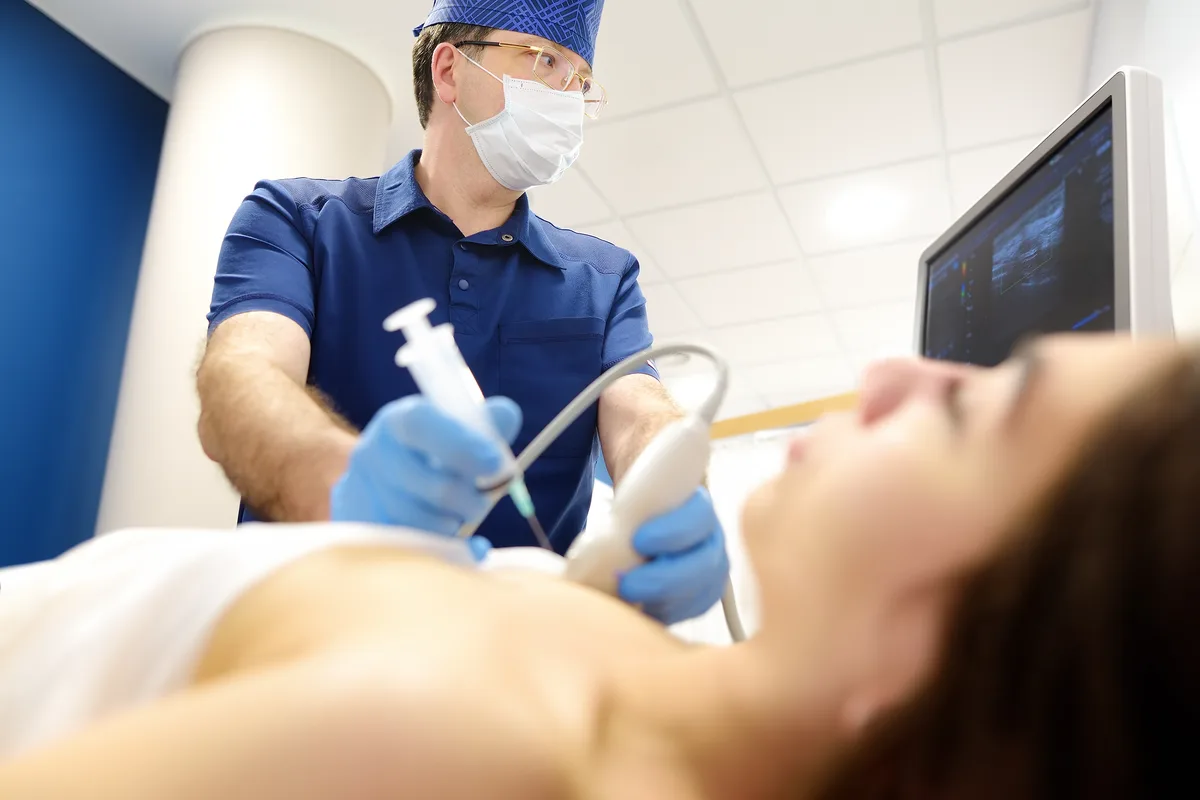
Who can hold equity in an IHF
Facilities licensed under Ontario's Independent Health Facilities Act are commonly owned or co-owned by physicians, and Ontario's health legislation restricts a physician from referring a patient to a diagnostic facility in which they, or an immediate family member, hold a financial interest, subject to specific exceptions set out in regulation. That restriction is a large part of why so many imaging facilities end up with several physician-owners referring across each other's practices rather than into their own, or with a mix of referring and non-referring investors — an ownership structure worth mapping out before incorporation, since unwinding it afterward is far more disruptive than planning it up front.
Why incorporate, and the associated-corporation wrinkle multi-owner facilities hit
Active business income retained inside a corporation is taxed at roughly 12.2% under the combined federal-provincial small business rate, as at the time of writing, against a personal marginal rate that can exceed 53% — the same math that makes incorporation attractive for any active business. The wrinkle specific to a multi-physician facility is CRA's associated-corporations rule: where several physician-owners each hold shares in the operating corporation and also operate their own professional corporations, those entities can be treated as associated for tax purposes, which forces the $500,000 small business deduction limit to be shared across the group rather than claimed separately by each one. We model the ownership structure against that rule before shares are issued, since restructuring an established multi-owner facility to fix an associated-corporation problem is far more disruptive than planning around it from the outset.
An operating corporation, not necessarily a health profession corporation
Unlike a solo dental, chiropractic, or naturopathic practice, an IHF is not automatically a College-regulated "health profession corporation" — the facility itself is generally an ordinary business corporation holding the IHF licence, employing technologists and support staff, and owning or leasing the equipment, while any physician-owner's own professional corporation is a separate entity used for their personal practice income and interpretation fees where applicable. Keeping those two layers distinct matters for the same reason it matters in any multi-owner clinic: each entity's own T2 needs to reconcile against income it actually earned, not against a shared pool untangled after the fact.
| Entity | What it holds |
|---|---|
| The IHF operating corporation | The licence, the equipment, the lease, and technologist payroll |
| Each physician-owner's professional corporation | Their own clinical or interpretation income, separate from the facility's technical-fee revenue |
Corporate accounts, including the GST/HST one people skip
Corporate program accounts start from zero at incorporation. Every IHF operating corporation needs an RC account for its annual T2 and an RP account once technologists move onto its payroll. A GST/HST account is easy to assume is unnecessary given how exempt-heavy the revenue is, but a facility with any genuinely taxable slice — cosmetic imaging outside OHIP, or third-party medical-legal reporting — needs to track that revenue against the $30,000 small-supplier threshold the same as any mixed-supply practice, covered in more depth on our tax services page for medical labs and imaging clinics.
Licence timing, and what a future sale requires
The corporation can be formed before, alongside, or shortly after an IHF licence application, but the licence itself is generally not a simple transferable corporate asset — it is tied to the licensed operator, and a change in ownership or control typically requires Ministry approval, as at the time of writing, rather than transferring automatically with a share sale. That reality should shape the ownership structure from day one: a cap table designed for a straightforward future share sale can run into a licence-transfer process that a simpler, more stable ownership group would have avoided. We map that out before incorporation rather than after a buyer's diligence team raises it. Where a physician-owner also trained, worked, or holds accounts in the US, that side of the file belongs on our cross-border tax page for medical labs and imaging clinics, and our incorporation and compliance page covers the ongoing filings a corporation needs once it is set up.
A minute book, annual returns, and the corporation's own T2 are recurring obligations on top of whatever the IHF licence itself requires the operator to report to the Ministry — two separate compliance calendars that need to stay in sync rather than drift apart, particularly in a multi-owner facility where different physicians may be more or less engaged in the administrative side. We keep both calendars visible to every owner rather than leaving corporate housekeeping to whichever physician happens to have signed the incorporation paperwork.
Common questions.
Can any physician own shares in an imaging facility?
Ownership is possible, but Ontario restricts a physician from referring patients to a facility in which they or an immediate family member hold a financial interest, subject to regulatory exceptions — a question worth resolving before shares are issued, not after.
Is an IHF incorporated the same way as a dental or naturopathic practice?
No. An IHF is generally an ordinary operating corporation holding the licence and equipment, separate from any physician-owner’s own professional corporation, rather than a single College-regulated health profession corporation covering everyone involved.
Can we simply transfer the IHF licence when we sell the business?
Generally no — the licence is tied to the licensed operator, and a change in ownership or control typically needs Ministry approval rather than transferring automatically with a share sale, as at the time of writing. That should shape the ownership structure from the start.
Related reading
A structure built around the licence, not just the tax rate.
Book a consultation and get a plain answer on exactly what applies to you.