
Who We Help · Laundromats and Dry Cleaners · CFO Advisory
Laundromat CFO services: the machines keep score — turns per day, cost per turn
A laundromat is a fleet of small machines each earning a vend price against metered water, gas, and hydro — which means the store's economics are knowable to the machine, not just to the month. Our fractional CFO work reads the numbers at that level: turns per day per machine, the replace-or-repair decision run properly, what unattended hours really earn after security and refunds, and whether store two or a pickup route is the better next dollar.
By the AnalytIQ Accounting team · Last reviewed: August 12, 2026
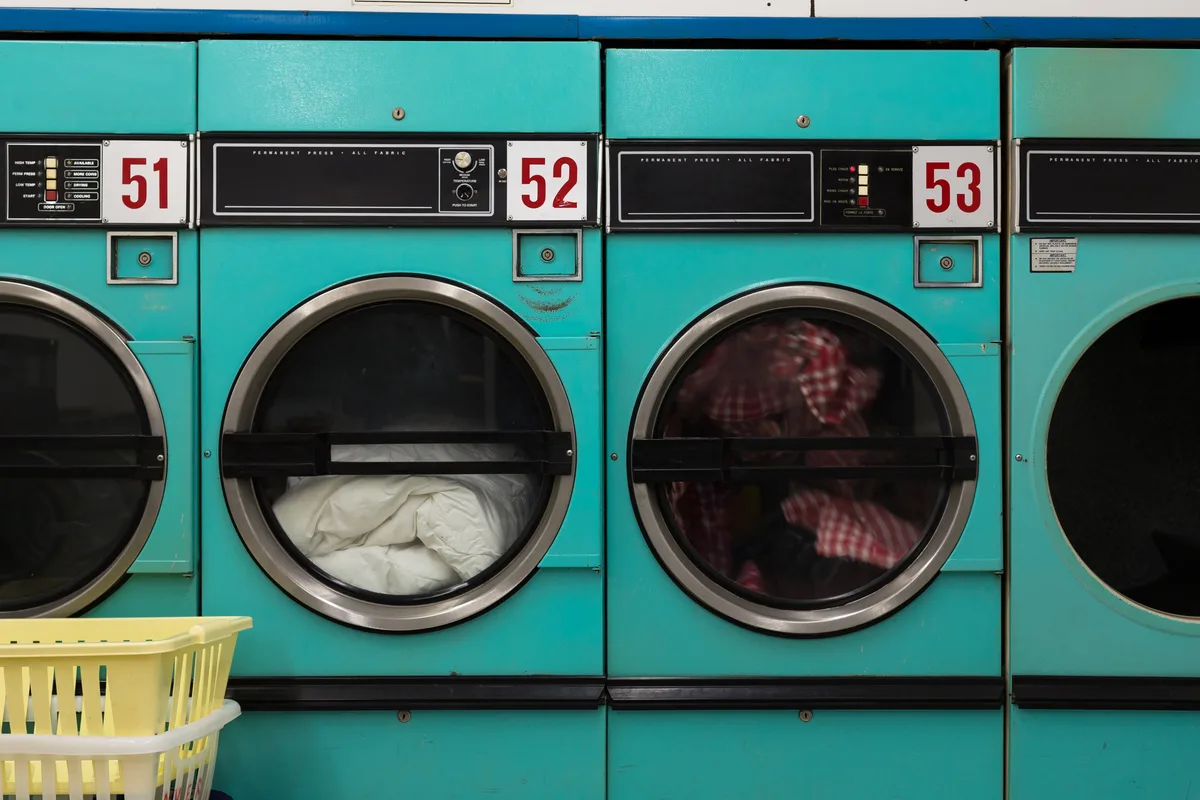
Turns per day is the number the store lives on
Every machine has a simple economy: vend price per cycle, minus the water, gas, and hydro that cycle consumes, times how many times a day it turns. Card and app payment systems ended the era of guessing — platforms like Cents and modern card readers report revenue per machine, per daypart, every day. We turn that feed into a monthly view: turns per day by machine size, contribution per turn after utilities, and the dead zones in the schedule where the store sits full of idle capital.
The pattern that emerges almost always surprises owners: the big washers earn the most per turn and are the most likely to have a queue on weekends, while some small units barely clear their utility draw. That picture is what every decision below is built on.
Machine ROI: replace, upsize, or keep repairing
A replacement decision is a handful of your own numbers, not a dealer's brochure. We run them on one page before you sign anything.
| Decision input | Where it comes from | Why it moves the answer |
|---|---|---|
| Turns per day, per machine | Card-system reports | A machine that rarely turns cannot pay for its replacement |
| Utility cost per turn | Metered usage and utility bills | New high-efficiency units cut the biggest variable cost in the store |
| Repair run-rate | Maintenance log by machine | A unit eating parts monthly is already being replaced — in instalments |
| Capacity mix | Queue patterns, turns by size | Swapping tired small units for large-capacity washers raises revenue per square foot |
| Financing cost and currency | Dealer and lender terms | Major brands are US-built, so quotes and financing often carry USD exposure |
Because equipment from makers like Speed Queen, Dexter, and Huebsch comes out of US factories, pricing, parts, and financing frequently involve USD and border costs — that side of the file lives on our laundromat cross-border tax page. Domestically, the HST input tax credits on a six-figure equipment package are real money and worth timing properly.
Unattended hours are margin only if you count everything
The unattended model earns its reputation only when the full cost of nobody-being-there is counted: cameras and monitoring, alarm response, refunds issued through the app the next morning, extra cleaning visits, insurance terms, and the occasional vandalism deductible. We compare revenue per unattended hour against those costs by daypart, because the answer is rarely all-or-nothing — many stores make money staying open to midnight unattended but lose it between 2 a.m. and 5 a.m. Extended hours are a dial, and the card system gives you the data to set it.
Wash-dry-fold and routes: the second business inside the store
Wash-dry-fold turns a self-serve store into a labour business, so it needs a labour price: minutes per pound of attendant time, plus supplies and machine time, sets the per-pound floor before any competitor's flyer does. Pickup-and-delivery adds route economics on top — a route only pays at density, so we track revenue per stop and drive time per order rather than celebrating order count. Commercial accounts (spas, clinics, restaurants, short-term-rental cleaners) are the quiet prize: recurring volume in the store's dead hours, though they bring receivables and payment terms into a business that used to bank cash daily. Dry-cleaning plants layer piece pricing, solvent and environmental costs onto the same framework.
Store two, routes, or neither
The second store only replicates results if you know exactly what made store one work — turns per day, utility cost per turn, and the demographics inside the drive-time radius, not the month-end bank balance. Sometimes the numbers say the better next dollar is a delivery van and a commercial salesperson, not another lease. We run that comparison as part of a monthly fixed-fee cadence — machine-level KPIs, cash and HST planning, financing support — on the foundation of our laundromat bookkeeping service.
Common questions.
When should we replace a machine instead of repairing it?
When its repair run-rate plus the utility penalty of an old unit approaches the financed cost of a new one — a machine eating parts monthly is being replaced in instalments anyway. Card-system turn data by machine makes the call objective.
Is running unattended hours worth it?
Usually some of them. We compare revenue per unattended hour against monitoring, refunds, cleaning, and insurance costs by daypart — many stores profit unattended until midnight but not overnight. It is a dial, not a switch.
How should we price wash-dry-fold?
From your own labour math: attendant minutes per pound plus supplies and machine time set the floor, then route density decides whether pickup-and-delivery adds margin or just kilometres.
Related reading
Make every turn count.
Book a consultation and get a plain answer on exactly what applies to you.