
Who We Help · Laundromats and Dry Cleaners · Cross-Border Tax
Laundromat cross-border tax: US machines, USD loans, and the investor pitch
The cross-border file for a laundromat or dry cleaner is almost entirely the equipment. The dominant commercial laundry manufacturers — Speed Queen, Huebsch and UniMac under Alliance, and Dexter — build in Wisconsin and Iowa and often finance the machines they sell, so a Canadian owner ends up with a US import and a USD loan in the same transaction. Both are manageable with three rules: recover the border GST as importer of record, capitalize the full Canadian-dollar landed cost, and account for the FX on the loan instead of ignoring it.
By the AnalytIQ Accounting team · Last reviewed: August 12, 2026
Importing the machines: the mechanics
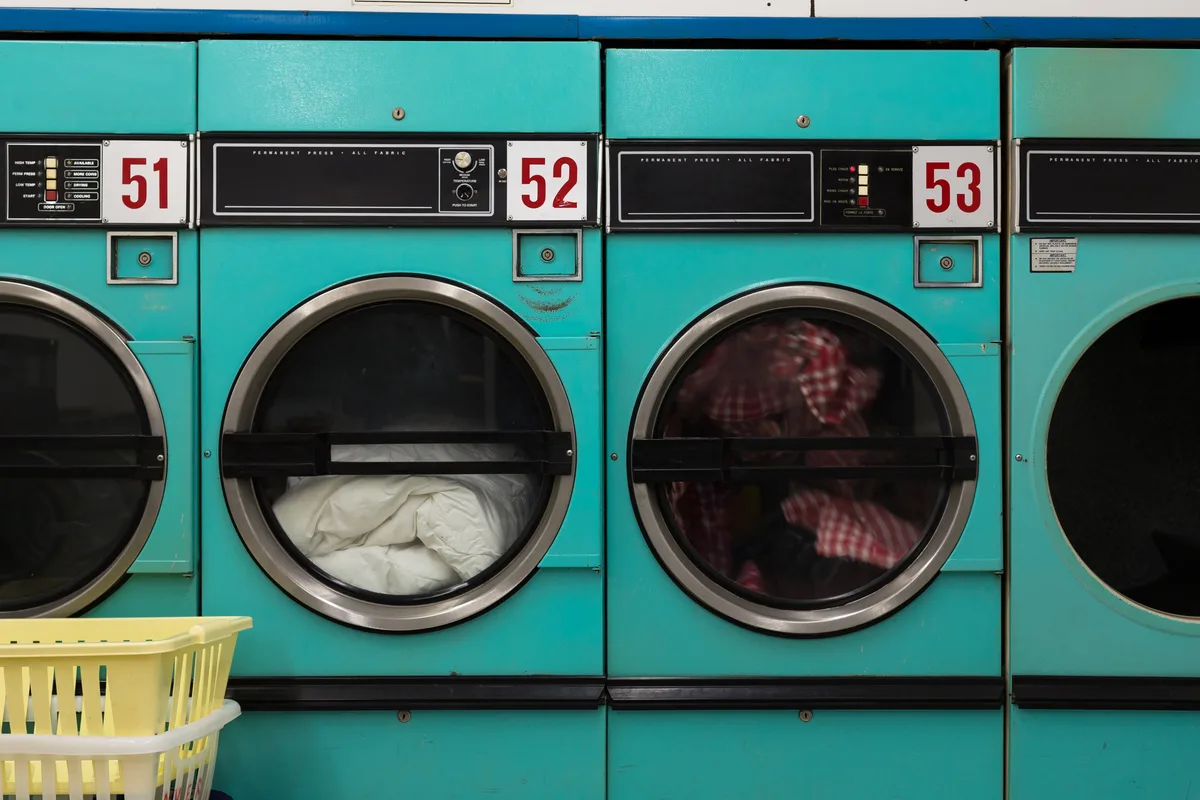
A washer wall bought from a US manufacturer or dealer crosses the border with 5 percent GST charged on the Canadian-dollar value, and a registered business recovers all of it as an input tax credit — provided the customs entry names your company as importer of record, not the dealer or a freight forwarder. On a six-figure equipment package, a wrongly cleared entry is a five-figure leak. Duty is usually the easy part: these machines are genuinely built in the US, so CUSMA preference applies with origin certification from the manufacturer. The equipment then goes on the books at full landed cost in Canadian dollars — invoice converted at the payment-date rate, plus freight, brokerage, rigging and installation — because that figure is the base for capital cost allowance.
The USD loan: three tax facts owners miss
Manufacturer captives and US lenders routinely finance Canadian buyers in US dollars. The tax handling is not exotic, but it is specific.
- No Canadian withholding on the interest. Arm's-length, non-participating interest paid to a US lender carries no Part XIII withholding — you pay the invoice as billed.
- Interest converts at payment dates. Each payment's interest portion is deductible in Canadian dollars at the rate in effect when paid, which your bookkeeping should capture automatically from the bank feed.
- Principal creates FX gains and losses. The loan is a USD liability; as the dollar moves, repaying principal crystallizes a foreign exchange gain or loss, generally on capital account for a loan that financed equipment. Owners who never revalue the liability discover the difference in the year of payout — better to see it building in the monthly numbers.
| Financing route | Tax handling | Watch for |
|---|---|---|
| Canadian bank or leasing co., CAD | Interest deductible; no FX layer | Often needs stronger covenants than a captive |
| US manufacturer captive, USD | Interest deductible, no withholding; FX on principal repayments | Liability must be revalued in the books, not left at the historic rate |
| Lease rather than purchase | Payments expensed per the lease terms; no CCA base | Compare after-tax cost against owning before signing |
The investor pitch: US content, Canadian rules
Laundromats are having a moment as a passive-income asset class, and most of that content is American — US SBA loans, US depreciation rules, US LLCs. None of it transfers directly. A Canadian buying a Canadian laundromat is running an ordinary active business here, and a Canadian buying a US laundromat is buying a US operating business: effectively connected income, US federal and state filings, and structure questions where the popular US LLC answer is usually wrong for Canadians. If the pitch deck you are reading assumes an American owner, get Canadian advice before you sign anything.
The short close
That is the honest cross-border file — equipment in, financing serviced, and caution before copying a US investment playbook. The work that runs all year is domestic: coin and card revenue reconciliation, wash-dry-fold HST, utilities margin and CCA planning, covered in our laundromat bookkeeping service. When a genuine treaty or US-filing question lands, the practice behind it is cross-border tax services. Boutique firm, fixed fees quoted after a discovery call.
Common questions.
Can we recover the GST paid when importing washers from the US?
Yes — the 5 percent border GST is a full input tax credit for a registered business, but only when the customs entry names your company as importer of record. On a full equipment package that detail is worth thousands.
Do we withhold Canadian tax on interest paid to a US equipment lender?
No — arm's-length, non-participating interest paid to a US lender is exempt from Part XIII withholding, so you pay as billed. The tax work is on your side: deduct interest at payment-date exchange rates and track the FX on the USD principal.
Do US laundromat-investing strategies work in Canada?
The operations advice sometimes transfers; the tax content usually does not. SBA loans, bonus depreciation and LLC structures are US-specific, and an LLC in particular is a poor default for Canadians. Get the structure reviewed under Canadian rules first.
Related reading
Machines financed, books that balance.
Book a consultation and get a plain answer on exactly what applies to you.