
Who We Help · Salons and Barbershops · Bookkeeping
Salon and barbershop bookkeeping: chair rent, tips, and the retail shelf
A salon is rarely one business. It is your employees cutting hair, independent renters paying you for a chair, and a retail shelf — three income streams with different margins, different HST treatment, and different payroll consequences. Books that lump them into one sales line cannot tell you which of the three actually makes money, so we build the chart of accounts around the split from day one.
By the AnalytIQ Accounting team · Last reviewed: August 12, 2026
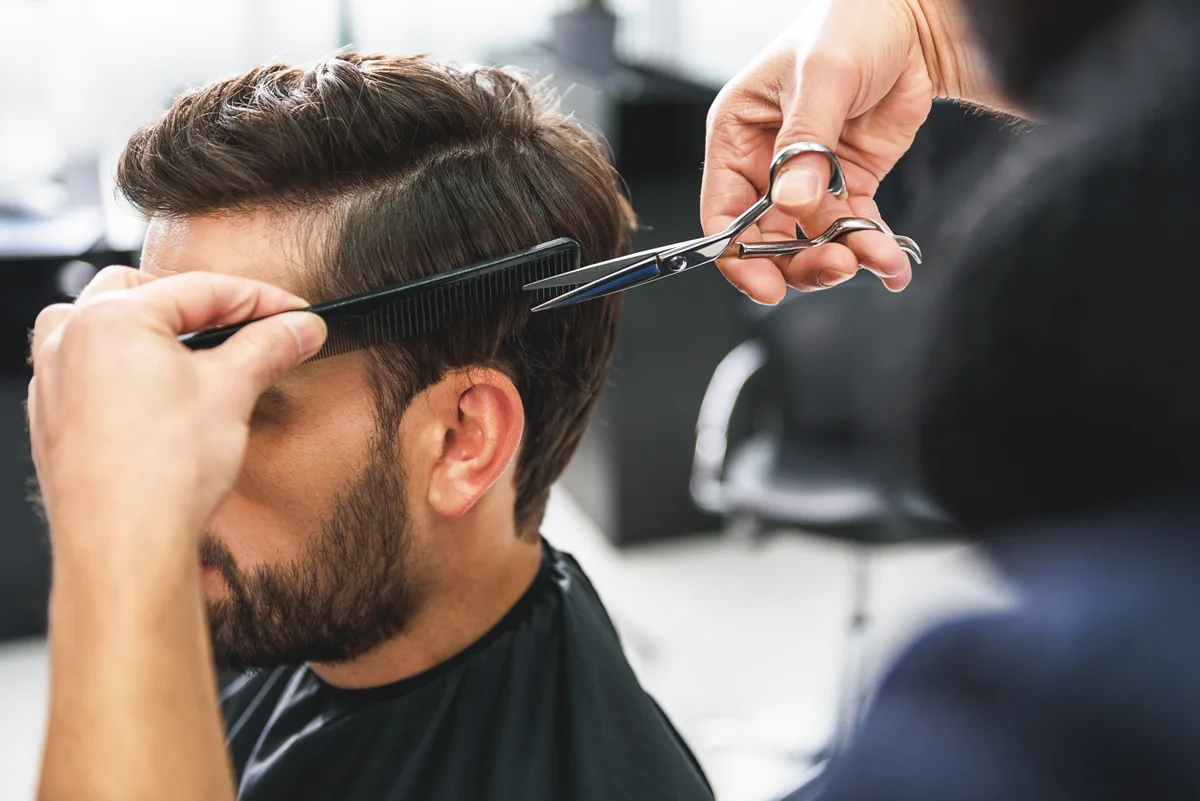
One room, three businesses
The first job of salon books is separating money that is yours from money that only passes through. Services performed by your employees are your revenue. Weekly or monthly chair rent from independent stylists is your revenue too — but it is rent, not service sales. What is not your revenue is the renter's own client payments, even when they ring through your front desk because the renter uses your POS or debit terminal. That money belongs to the stylist and sits in a pass-through liability until you remit it, usually net of rent and product fees.
| Money through the till | Where it posts | What we watch |
|---|---|---|
| Employee services | Service revenue, HST collected | Service margin after wages and backbar cost |
| Chair rent from renters | Rent income, HST charged on the rent | A signed rental agreement per chair |
| Renter clients paying at your desk | Pass-through liability, never sales | Weekly settlement statements to each renter |
| Retail product | Retail revenue with its own COGS line | Margin by brand, counts against POS |
| Card tips | Tips clearing liability until paid out | Clearing account returning to zero each cycle |
Chair rent: rent income, HST, and the EI quirk
Chair rent is a taxable supply of commercial space, so a registered salon charges HST on the rent — a point many owners miss because the renters feel like colleagues rather than tenants. Each renter runs their own business, tracks their own income, and registers for GST/HST once they pass the $30,000 small-supplier threshold; your books only carry the rent and any product or colour-bar fees you bill them.
Barbering and hairdressing also carry a rule almost no other industry has: under the Employment Insurance regulations, the owner of the establishment is treated as the deemed employer for EI purposes even for self-employed chair renters, which means EI premiums and a T4 with employment code 13 for renters who are not incorporated. It is a payroll obligation triggered purely by your industry, and we set the T4 process up so it does not surface for the first time in a PIER review.
We also keep a renter ledger the way a landlord keeps a rent roll: rent receivable by chair, product and colour-bar fees billed monthly, and HST recorded on every charge. Renters fall behind in slow months, and a ledger that ages those balances keeps an awkward conversation factual instead of personal.
Tips ride through a clearing account
Card tips are collected by you but earned by the stylist, so they land in a tips clearing liability and leave it when paid out — the account should return to zero every payout cycle, and a balance that creeps up means someone is being shorted. How tips are handled also changes payroll: controlled tips that you pool, top up, or distribute run through payroll and attract CPP and EI, while direct tips the client hands the stylist do not. The distinction is worth getting right before your first payroll audit, and our bookkeeping service pairs the clearing account with payroll mapping so both sides agree.
The retail shelf against the backbar
Product bought for resale and product used at the sink are different costs. Retail inventory is cost of goods sold matched against shelf sales; backbar colour, developer, and styling product consumed in services is a direct supply cost of the service margin. One supplier order usually contains both, so we split invoices at entry rather than guessing at year-end. Periodic counts against POS quantities keep the shelf honest — retail-size product walks out of salons more often than owners expect, and a fading brand margin is usually the first sign.
The daily close that keeps it honest
Salon POS systems — Square, Fresha, Booker and their peers — will happily blend services, retail, tips, and renter transactions into one deposit. The daily close unblends it: one entry posting service revenue, retail revenue, rent and fees receivable from renters, HST by line, tips to clearing, and card fees to their own expense account. Two smaller lines earn their own treatment: gift cards sold at the desk are a liability until redeemed, not sales, and no-show fees charged to cards are taxable service income in the period charged. From there the month-end is mechanical, and the HST return draws straight from properly coded lines. If you import US professional product or a renter asks about cross-border work, the border thread is covered in our salon cross-border tax guide.
Common questions.
Is chair rent subject to HST?
Yes — chair or booth rent is a taxable supply, so a registered salon charges HST on the rent and any product fees billed to renters. The renters themselves register once their own revenue passes the $30,000 small-supplier threshold.
Do renter client payments count as my sales?
No. Money a renter’s client pays through your desk belongs to the renter and sits in a pass-through liability until settled, usually net of rent and fees. Booking it as your sales inflates revenue and distorts your HST position.
How should card tips be recorded?
In a tips clearing liability that empties to zero each payout cycle. Whether the tips then run through payroll depends on control: pooled or employer-distributed tips are pensionable and insurable, direct tips are not.
Related reading
Know what each chair really earns.
Book a consultation and get a plain answer on exactly what applies to you.