
Who We Help · Excavation · Tax Services
Excavation contractor tax: the T2 is really a fleet schedule with a return attached
In an excavation company, the tax file follows the iron: an excavator depreciates at 30% in Class 38, a tandem dump truck at 40% in Class 16, and selling either at today’s strong auction prices can trigger a recapture bill nobody budgeted for. We build excavation T2s around the fleet list — and make sure the diesel going into off-road machines is not carrying road tax it does not owe.
By the AnalytIQ Accounting team · Last reviewed: August 12, 2026
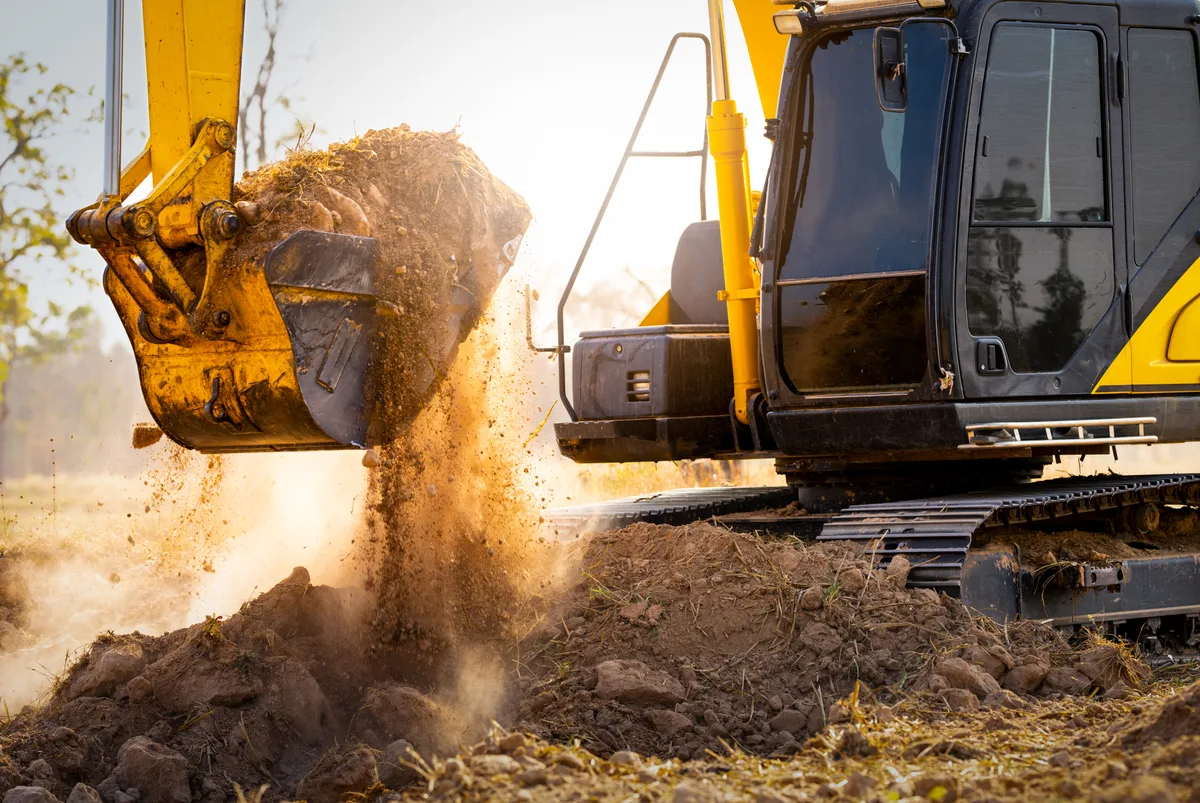
The right CCA class for every machine
Heavy equipment does not all depreciate at one rate for tax, and the class assignment on the day you buy decides the write-off curve for years. The core distinctions for an excavation fleet:
| Asset | CCA class | Rate |
|---|---|---|
| Excavators, dozers, loaders, graders — power-operated equipment that moves, excavates, or compacts earth | Class 38 | 30% declining balance |
| Tandem and tri-axle dump trucks rated over 11,788 kg GVW, built for hauling freight | Class 16 | 40% declining balance |
| Float trailers, pickups, service trucks | Class 10 | 30% declining balance |
| Shop equipment, compaction plates, small tools over $500 | Class 8 | 20% declining balance |
The dump truck sitting in Class 10 at 30% when it belongs in Class 16 at 40% is a mistake we correct constantly. With the half-year rule suspended for most new additions through 2027 under the accelerated investment incentive, the full class rate is available in year one — but only once the machine is available for use. A dozer delivered December 20 counts; one on a boat from the auction does not. Buying from US auctions layers customs value, duty, and GST at the border onto the class question — that side lives in our cross-border guide for excavation contractors.
Recapture: the tax bill hiding in strong auction prices
Sell a machine for more than the undepreciated capital cost left in its class and the difference comes back into income as recapture — taxed like any other operating dollar. Used iron has held value well enough that a five-year-old excavator can sell above its remaining UCC by six figures, and the T2 that follows surprises owners who saw the sale as recycling capital, not earning income.
The planning is in the timing and the pool. Because CCA classes pool assets, buying a replacement machine in the same class in the same fiscal year absorbs some or all of the recapture; selling in one year and replacing in the next crystallizes it. Before any major disposal — auction, trade-in, or an insurance payout on a burned machine, which counts as a disposition too — we run the class math first, so the sale date is a decision instead of an accident.
Fuel taxes: coloured diesel and what changed in 2025
Off-road machines should burn coloured diesel, which is exempt from Ontario fuel tax when used in unlicensed equipment — running clear pump fuel through an excavator donates road tax you never owed, while running coloured fuel in a licensed truck invites penalties and seized-sample assessments. Two tanks, two records: the split between on-road and off-road litres is a real compliance line, not a housekeeping preference.
The other change is federal: the consumer fuel charge was set to zero effective April 1, 2025, so the carbon-price line that used to sit in every fuel budget is gone from the pumps. Cost models, charge-out rates, and any old assumptions about rebates built around it deserve a refresh. Fuel is typically the second-largest cost on an excavation P&L after wages — we make sure the tax embedded in it is the minimum the law requires.
HST refunds, instalments, and the T2 around them
A $400,000 machine purchase generates an HST input tax credit large enough to swing the return into a refund, and CRA routinely holds large refund claims for review. We file those periods with the paper ready — dealer invoice, financing agreement, proof of payment — so the refund clears in weeks, not quarters. Leasing changes the shape: lease payments deduct as paid with HST spread over the term, versus CCA plus interest and one big up-front ITC on a purchase. Neither is always right; the answer moves with rates, utilization, and how long you keep iron.
A word on year-ends: an excavation corporation can choose any fiscal year-end, and closing the books during winter shutdown — January or February for most GTA earthwork companies — means the fleet count, the WIP list, and the fuel reconciliation all happen while the machines are parked instead of billing.
On the income side, corporate instalments kick in once tax payable passes $3,000, and excavation revenue is lumpy — a subdivision servicing contract can double a year. We size instalments from the signed backlog, keep the small business deduction working on the first $500,000 of active profit at 12.2% combined in Ontario, and time equipment additions against strong years so the CCA lands where the income is.
Common questions.
What CCA class is an excavator or dozer in?
Class 38, at 30% declining balance — it covers power-operated movable equipment for moving, excavating, placing, or compacting earth. Heavy dump trucks built for hauling freight and rated over 11,788 kg GVW go in Class 16 at 40%.
I sold a machine at auction for more than its book value. Why do I owe tax?
Proceeds above the remaining undepreciated capital cost in the class come back into income as recapture of the CCA you already claimed. Buying a replacement in the same class in the same fiscal year can absorb some or all of it.
Can I use coloured diesel in my equipment?
Yes — coloured diesel is exempt from Ontario fuel tax when burned in unlicensed off-road equipment, which is exactly what it exists for. It must stay out of licensed on-road trucks, so keep separate tanks and records for each.
Related reading
Tax planning weighed in tonnes, not templates.
Book a consultation and get a plain answer on exactly what applies to you.