
Who We Help · Landscaping · Tax Services
Landscaping tax services: one HST rate, two kinds of client, a season-shaped T2
Lawn care, hardscaping, and snow removal are all taxable at 13% HST in Ontario whether the client is a homeowner or a property manager — the difference is that only the commercial client gets the tax back. That single fact should shape how you quote, and it is where our tax work for landscaping companies starts: HST handled cleanly on both books, every machine in the right CCA class, and a corporate year-end that closes after fall cleanup instead of mid-plow-season.
By the AnalytIQ Accounting team · Last reviewed: August 12, 2026
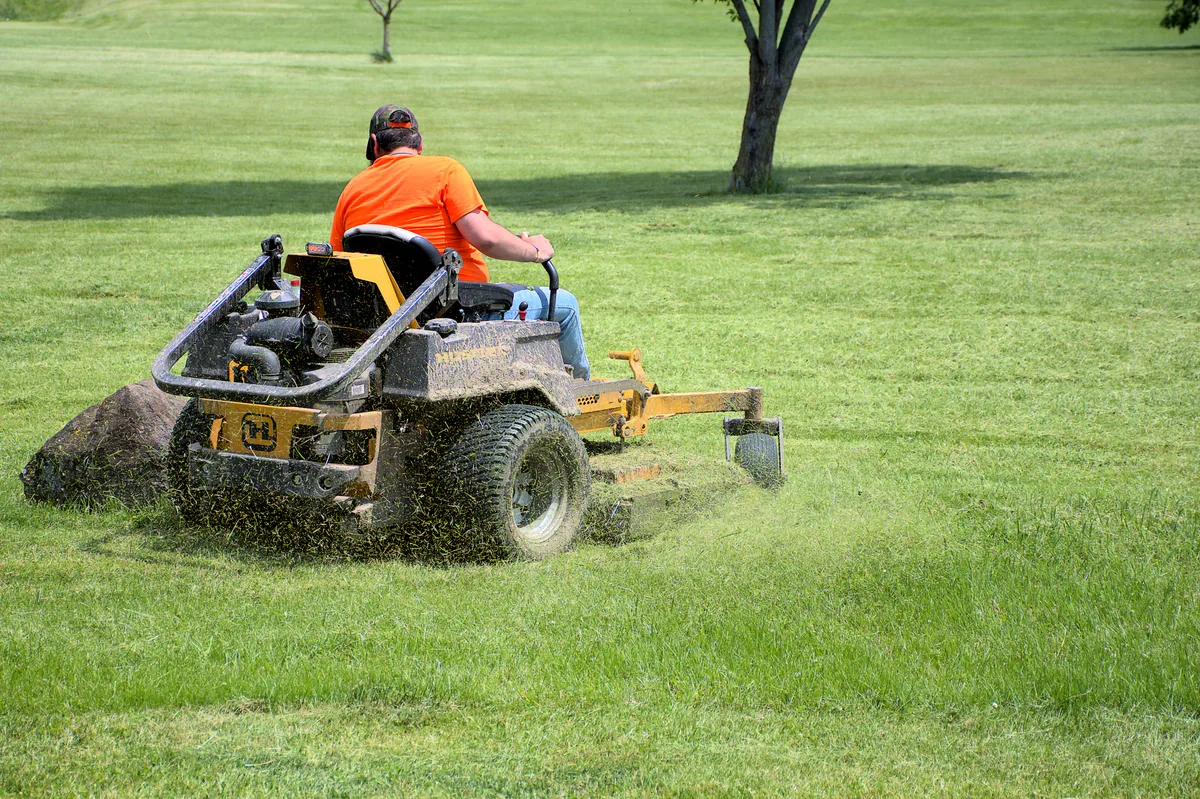
One HST rate, two very different clients
There is no residential exemption for landscaping: mowing a backyard carries the same 13% HST as a commercial grounds contract. What differs is who feels it. A property manager recovers the tax through input tax credits, so commercial bids are quoted plus tax and nobody blinks. A homeowner cannot recover a cent, which is why residential quotes work better tax-included — and why CRA treats home services as an underground-economy focus area. If you quote tax-included, the HST you remit is the 13/113 fraction of what you collected, not 13% on top of it; mixing the two methods overstates either revenue or the remittance.
The $30,000 small-supplier threshold matters mostly to new and side operations, and it is measured across four rolling calendar quarters and across associated companies — a numbered company for snow and a sole proprietorship for lawns do not each get their own $30,000. Most growing crews should register before the threshold forces it: registration is what unlocks ITCs on the trailer, the mowers, and the truck fuel.
Put every machine in the right CCA class — and buy before the season, not after
Depreciation for tax is not one rate; it is a class system, and landscaping fleets span most of it. Getting the class right changes how fast the write-off arrives.
| Asset | CCA class | Rate |
|---|---|---|
| Commercial mowers, blowers, aerators, plow attachments | Class 8 | 20% declining balance |
| Trucks, trailers | Class 10 (Class 10.1 if a capped passenger vehicle) | 30% declining balance |
| Skid steers and mini excavators used to move or grade earth | Class 38 | 30% declining balance |
| Hand tools under $500 | Class 12 | 100% |
Under the accelerated investment incentive, the half-year rule stays suspended for most new purchases through 2027, so a machine bought this year claims its full class rate in year one — but only once it is available for use. A mower invoiced in December that sits at the dealer until spring earns nothing this year. Timing purchases just inside the fiscal year, delivered and working, is the cheapest tax planning a landscaping company can do. Buying used from US dealers or auctions adds border tax and duty questions; our cross-border guide for landscaping companies covers that side.
Structure the T2 around the season, not the calendar
A corporation can pick any fiscal year-end, and a landscaping company should use that. Closing the books at October 31 or November 30 — after fall cleanup invoices land, before plow season chaos — means the T2 gets prepared in your quiet months and the year-end numbers reflect a finished season rather than a snapshot mid-contract. The return is due six months after year-end and the balance owing two months after (three for most CCPCs claiming the small business deduction), so a fall year-end pushes the whole compliance cycle into winter and early spring.
Snow contracts paid up front create the other timing question. A seasonal contract collected in November covers services running to April; the portion not yet earned at year-end can support a paragraph 20(1)(m) reserve, deferring tax on work you have not yet plowed. Instalments start once corporate tax payable passes $3,000, and we size them from the contract book, not just last year's return, because a good snow winter and a drought summer produce very different years. Owner pay rides the same seasonality: a modest salary through the season plus dividends declared once results are known keeps cash in the company over winter instead of remitting withholdings on money the business has not earned yet.
Crews, subs, and the deductions that survive review
How you pay the crew decides which slips you file. Employees mean payroll withholdings and T4s; genuinely independent operators with their own equipment mean T4A reporting, and CRA reclassification of a mislabelled crew brings back-dated CPP, EI, and penalties. Pure maintenance work generally sits outside the T5018 construction-reporting regime, but a company whose revenue tilts toward hardscaping, retaining walls, and excavation can cross into it — we assess that each year rather than assume.
On deductions, the ones that survive review are the documented ones: a mileage log for any truck that goes home at night, fuel split between on-road vehicles and equipment, and dump fees, aggregate, and nursery stock tied to jobs. The small business deduction holds the first $500,000 of active income to a combined 12.2% in Ontario, which is exactly why retained profit inside the corporation — not the shareholder's truck upgrades — is what funds next season's fleet.
Common questions.
Do I have to charge HST on residential lawn care and snow removal?
Yes. Landscaping and snow services are fully taxable at 13% in Ontario for residential and commercial clients alike, once you are past the $30,000 small-supplier threshold. Quoting homeowners tax-included is fine — you then remit the 13/113 fraction of what you collect.
Can I write off a new mower in the year I buy it?
You claim CCA, not the full cost: Class 8 equipment runs at 20% declining balance, and with the half-year rule currently suspended the full first-year rate applies — provided the machine is delivered and available for use before year-end. Hand tools under $500 are the exception at 100%.
A client paid the whole winter snow contract in November. When is it taxed?
The unearned portion at your fiscal year-end can generally be deferred with a paragraph 20(1)(m) reserve, so you are taxed as the season is plowed rather than when the cash lands. The books need to track earned versus unearned by contract to support it.
Related reading
Tax planning that follows the season.
Book a consultation and get a plain answer on exactly what applies to you.