
Who We Help · E-commerce · Dropshipping
Dropshipping: no warehouse doesn\u2019t mean no tax footprint.
Dropshippers get squeezed from two sides at once: suppliers with US nexus must charge you sales tax on wholesale invoices unless you hold the right resale certificate, while your own retail sales build economic nexus state by state. Add the end of duty-free small parcels, and the 2026 dropshipping P&L is a different animal than the YouTube tutorials describe.
By the AnalytIQ Accounting team · Last reviewed: August 12, 2026
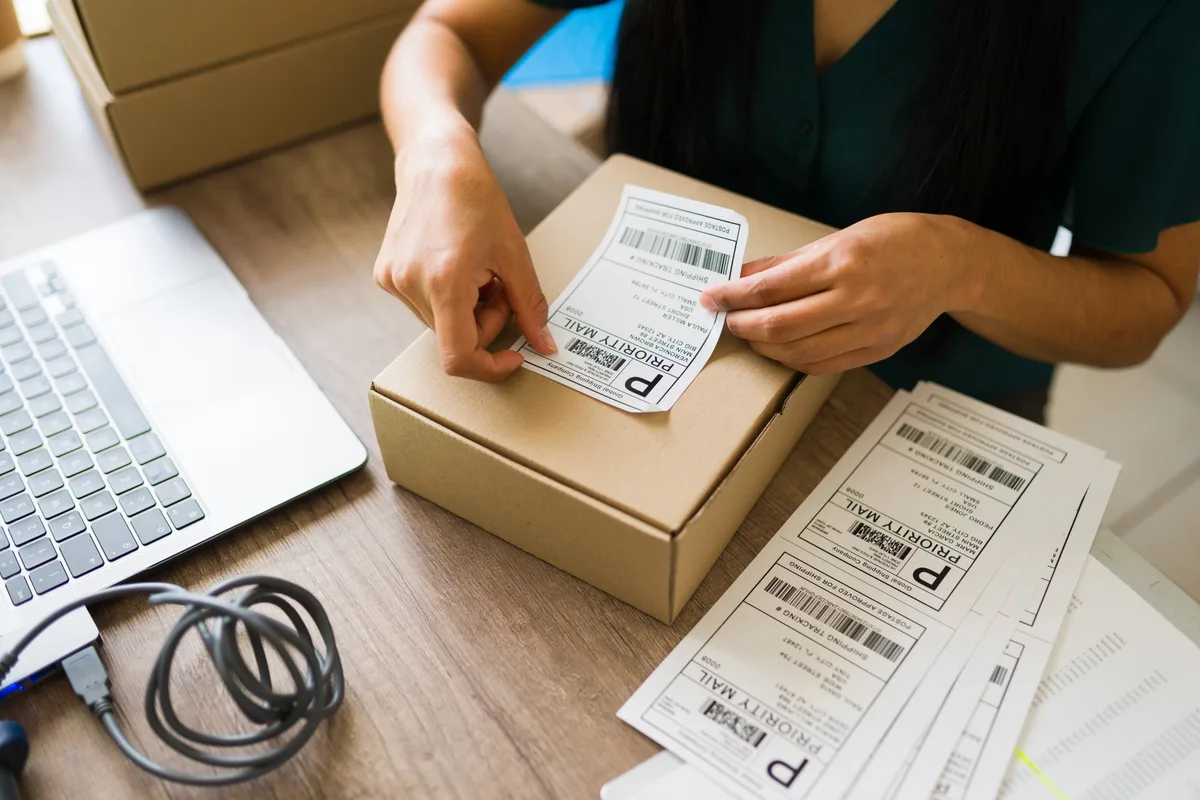
The two-sided sales tax squeeze
Wholesale side: when your supplier has nexus in the state they ship to, they must charge you sales tax on the wholesale price — unless you provide a resale certificate that state accepts. About a dozen jurisdictions (California, Florida, Illinois, Washington, and others) won't accept an out-of-state certificate, leaving you to register there or eat the tax. Most dropshippers silently pay it on every invoice and never notice the margin leak.
Retail side: your own sales build economic nexus — $100,000 in most states, $500,000 in California, Texas, and New York. No marketplace shields you on your own storefront.
Duties ended the old playbook
| Era | What it means |
|---|---|
| Before Aug 2025 | Sub-$800 parcels entered the US duty-free — the entire China-direct model rode on it |
| Now | Every commercial parcel is a customs entry; duties and brokerage fees apply from dollar one |
| DDU shipping | Customer becomes importer of record, gets the surprise bill — then disputes the charge with you |
| The 2026 model | US-warehoused suppliers, DDP checkout with landed costs, and CUSMA origin where goods genuinely qualify |
Federal and Canadian layers
Fulfilling through third-party suppliers you don't own generally creates no US permanent establishment — treaty-exempt federally, with the protective 1120-F + 8833 worth filing once volume is real. In Canada: dropshipped US orders are zero-rated exports that count toward the $30,000 GST/HST threshold, and registration recovers the GST on your ads, apps, and services. If a non-resident supplier ships within Canada for you, CRA's drop-shipment rules decide who accounts for the tax — a review question, not a guess.
Margins need real books now
Duties, brokerage, supplier tax leakage, refunds, and chargebacks mean spreadsheet bookkeeping hides whether you're actually profitable. We build the landed-cost picture into your monthly numbers so decisions — and filings — run on truth.
Sources: CRA — drop-shipment rules · White & Case — de minimis suspension.
Common questions.
My supplier charges me sales tax on every order. Normal?
It means they have nexus in the destination state and you haven\u2019t given them an acceptable resale certificate. Sometimes fixable with paperwork, sometimes with registration — either way it\u2019s margin worth recovering.
Is dropshipping still viable after the duty changes?
Yes, but the economics moved: US-warehoused inventory and DDP pricing beat China-direct parcels for most catalogues. We can model your landed costs before you commit.
Do I owe US income tax on my dropshipping profit?
Usually not federally, thanks to the treaty — provided the protective filings are in place. Canadian tax applies to all of it, with GST/HST registration usually working in your favour.
Related reading
Ship from anywhere. File from facts.
Book a consultation and get a plain answer on exactly what applies to you.