
Who We Help · E-commerce · Amazon FBA
Amazon FBA from Canada: the treaty protects you — if you file.
Storing inventory in Amazon\u2019s US warehouses generally doesn\u2019t create a US permanent establishment under the Canada-US treaty — so most Canadian FBA sellers owe no US federal income tax. But that protection only holds if you claim it on a protective return, and it never covered state taxes, which follow your inventory wherever Amazon moves it.
By the AnalytIQ Accounting team · Last reviewed: August 12, 2026
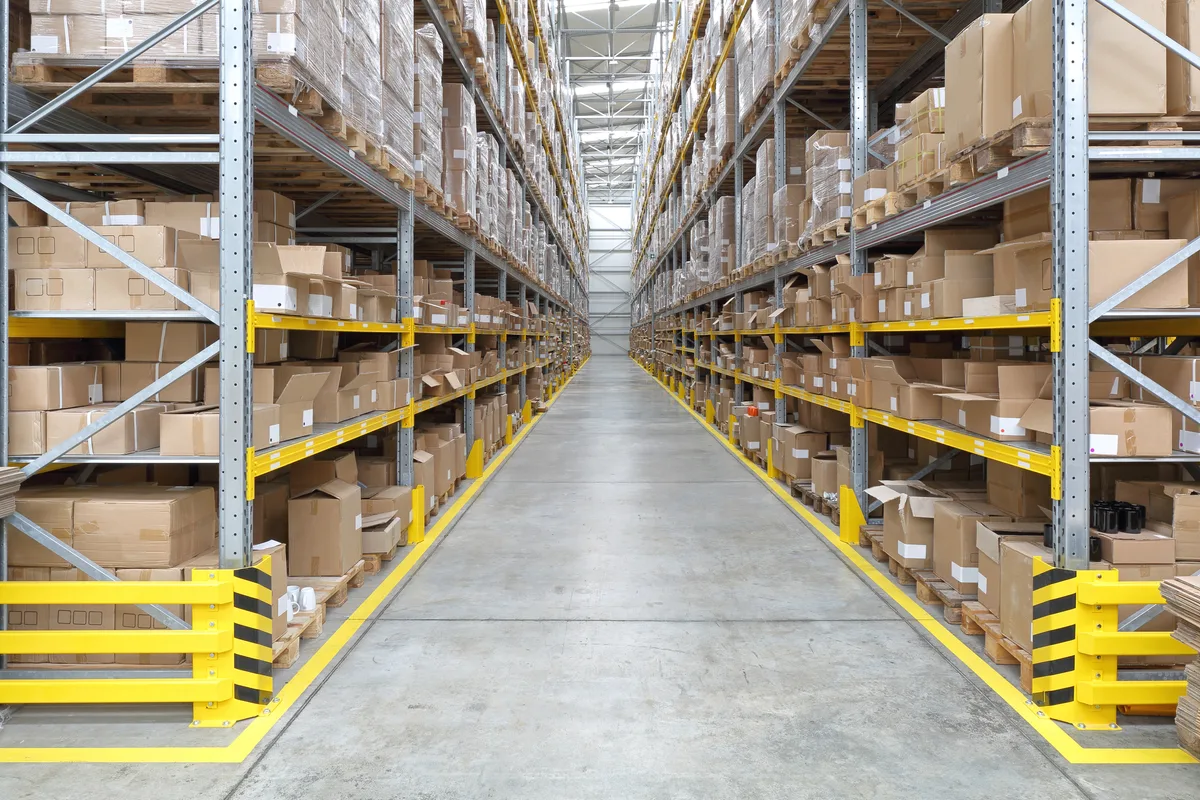
The protective filing that preserves the treaty
The Canada-US treaty exempts your profits from US federal tax when you have no permanent establishment — and a fulfillment warehouse used for storage and delivery generally isn't one. The catch: you claim the exemption by filing a protective Form 1120-F with Form 8833 each year. Skip it, and if the IRS comes asking more than 18 months after the due date, you can lose every deduction and be taxed on gross US revenue. The penalty just for failing to disclose a treaty position is $10,000 for a corporation. The protective filing is cheap insurance; gross-basis taxation is not.
States don't sign treaties
| Layer | Where FBA sellers actually stand |
|---|---|
| Sales tax | Solved for marketplace orders — facilitator laws make Amazon collect and remit in every sales-tax state. Some states still expect registration or gross-sales reporting where your inventory sits. |
| Washington B&O tax | A warehouse in Washington creates nexus for its gross-receipts tax regardless of sales volume. |
| California franchise tax | FBA stock in California can constitute "doing business" — an $800/year minimum obligation many sellers discover years late. |
| Income tax states | Facilitator laws cover sales tax only — income and franchise taxes follow inventory separately. |
The $30,000 rule almost everyone gets wrong
"All my sales are American, so I don't need to register for GST/HST." Wrong twice. US sales are zero-rated exports — 0% GST, but they count toward the CAD $30,000 worldwide registration threshold. And registering is usually a win anyway: you collect nothing on US sales but claim back the GST/HST on your Canadian costs, software, and Amazon.ca fees as input tax credits.
Customs after de minimis
Since August 2025 there is no US$800 duty-free threshold — every commercial shipment into the US is a customs entry. What keeps Canadian-origin goods at preferential rates is CUSMA certification of origin; products made in China and re-shipped from Canada don't qualify and carry full origin-country tariffs. Landed-cost math belongs in your pricing now, not your year-end surprises.
Books that Amazon's statements won't give you
Booking Amazon's net payout as revenue hides fees, refunds, reserves, and ad spend — misstating income tax and GST returns at once. We rebuild gross-to-net so your margins, your filings, and your loan applications all tell the truth.
Sources: IRS — Form 1120-F filing responsibilities · CRA — GST/HST registrants.
Common questions.
Amazon collects sales tax for me. Am I covered?
For marketplace sales tax, mostly yes. For federal treaty filings, state franchise/gross-receipts taxes, GST/HST, and customs — no. Those are yours.
Do I need a US company to sell on Amazon.com?
No — most Canadian sellers operate through their Canadian corporation with an EIN and a W-8BEN-E in Amazon\u2019s tax interview (renew it every three years, or withholding starts).
I\u2019ve never filed a 1120-F and I\u2019ve sold for years. How bad is it?
Fixable — protective filings can often be brought current before the IRS asks. The order of operations matters, so talk to us before filing anything.
Related reading
Sell on Amazon.com. File like you mean it.
Book a consultation and get a plain answer on exactly what applies to you.