
Who We Help · Dental Hygienists · Bookkeeping
Dental hygienist bookkeeping: a mobile practice runs on its logbook
Since CDHO self-initiation opened independent practice, Ontario hygienists have been running real businesses out of vehicles, rented operatories, and temp days across multiple dental offices — with equipment, mileage, and per-clinic invoicing that a staff hygienist never sees. Dental hygiene services are HST-exempt, so every cost lands at its gross price, which makes cost tracking the whole game. We set up books that fit in an hour a month and stand up at tax time.
By the AnalytIQ Accounting team · Last reviewed: August 12, 2026
One licence, three revenue shapes
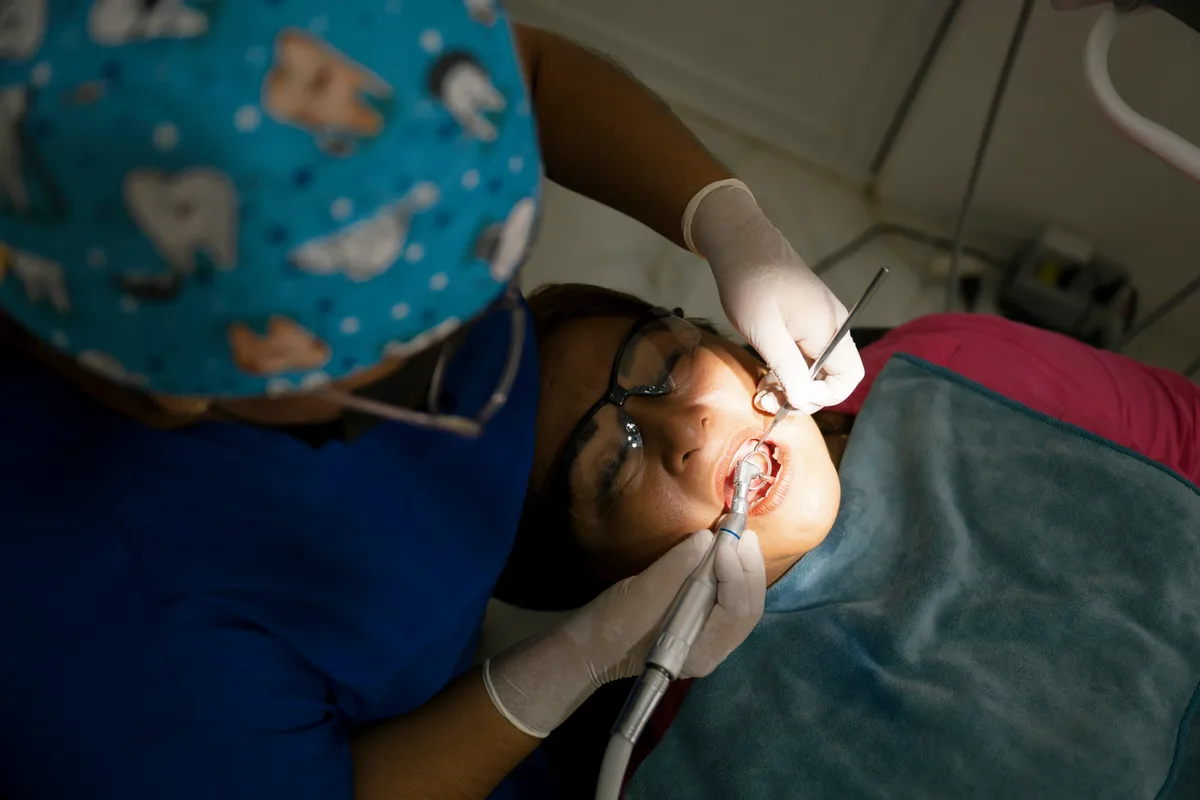
An independent hygienist usually earns in up to three ways at once, and each collects differently. Mobile visits — long-term-care homes, retirement residences, homebound patients — are billed to the patient or family, often with a benefits claim behind them. A rented operatory or home studio produces walk-in-style patient revenue with room costs attached. And temp or contract days at dental offices are invoiced to the clinic at a day or hourly rate. We keep the three streams in separate income accounts from day one, because their margins, their receivables, and their audit questions have nothing in common. Care-home work in particular deserves its own sub-account per facility, since a residence that books twenty patients a quarter is a contract worth tracking — and repricing — on its own numbers.
Clinic contracts: invoice it, age it, and watch the classification line
Temping across several offices means money is always in transit. Each clinic gets its own customer record: invoices issued per day worked, the agreed rate attached in writing, payments matched as they arrive, and a receivable aging you review monthly — because busy dental offices pay slowly and forget quickly. The same records defend you on a harder question: a hygienist who works set days at one clinic, on the clinic's schedule, with the clinic's instruments, looks like an employee to CRA no matter what the contract says. Multiple clients, your own equipment, invoices, and business-like books are exactly the evidence that supports independent-contractor treatment — your ledger is part of the argument.
Equipment, supplies, and the no-ITC reality
Dental hygiene services are HST-exempt: you charge patients no tax, and you recover no input tax credits, so the portable unit and the autoclave cost exactly what the invoice says. That makes the spending categories worth getting right the first time:
| Cost type | Examples | How it lands in the books |
|---|---|---|
| Capital equipment | Portable delivery unit, compressor, autoclave, loupes | Capitalized and depreciated through CCA, not expensed |
| Vehicle | Fuel, insurance, maintenance, lease or CCA | Pooled, then claimed at the business-use percentage your logbook proves |
| Consumable supplies | Prophy paste, fluoride, PPE, sterilization pouches | Expensed and tracked as a per-visit cost |
| Professional overhead | CDHO registration, liability insurance, CE | Recurring expenses on their own annual cycle |
One taxable corner to watch: retail home-care products and cosmetic whitening are not exempt hygiene services. If those sales grow past the $30,000 small-supplier threshold, HST registration enters the picture — so taxable sales get their own account from the first sale.
Mileage is money — keep the log CRA expects
For a mobile practice the vehicle is often the largest deduction, and it is only as strong as the logbook. When your home office is the base of operations, travel from home to client sites is business travel, not commuting — a meaningful difference across a year of LTC rounds. We set up the log the way CRA expects it: date, destination, purpose, and kilometres per trip, with a full-year log establishing the base and a sample-period method available in later years. The vehicle cost pool — fuel, insurance, maintenance, lease payments or CCA — then gets claimed at the business-use percentage the log actually supports.
A month-end that fits between patients
The close is deliberately small: reconcile deposits from each stream, post supply purchases and update the per-visit consumable cost, tally the logbook, and review which clinics still owe you. The per-visit consumable number earns its keep — mobile hygiene runs on thin margins, and a drifting cost per patient is the earliest warning that supplier prices moved or that a care home contract needs repricing. Equipment financing payments get split properly too, principal against the loan and interest as expense, because a leased compressor recorded as a simple expense quietly distorts both sides of the balance sheet. Those numbers feed your T2125 — or a T2 if you incorporate later — without a spring scramble, and they show whether mobile days, operatory days, or clinic contracts earn the most per hour worked. If US continuing education or cross-border credentialing is in your plans, the honest version of that story is on our cross-border tax page for dental hygienists; how our monthly close works for every client is on the bookkeeping services page.
Common questions.
Do independent dental hygienists charge HST?
No — dental hygiene services are exempt, so you charge no tax and recover no input tax credits, meaning equipment and supplies cost their full sticker price. Retail products and cosmetic whitening are taxable, and $30,000 of those sales triggers a registration conversation.
Can I deduct my vehicle?
Yes, at the business-use percentage a proper logbook supports. With a home office as your base, travel to client sites counts as business travel — but driving to one regular clinic every day looks like commuting, and like employment.
What if a clinic treats me like staff?
That is a classification risk: set days, clinic equipment, and one client resemble employment to CRA. Written contracts, multiple clinics, your own instruments, and invoice-based books are the evidence that keeps contractor treatment defensible.
Related reading
Books that travel as well as your equipment.
Book a consultation and get a plain answer on exactly what applies to you.