
Who We Help · Dental Hygienists · Cross-Border Tax
Dental hygienist cross-border tax: US CE, US credentials, and honest math
The cross-border tax file for an Ontario dental hygienist is genuinely small, and we would rather say so than pad it. The two questions that matter: US continuing education is deductible if you practise self-initiated and usually worth nothing if you are employed — and chasing a US licence is an after-tax investment, not a write-off.
By the AnalytIQ Accounting team · Last reviewed: August 12, 2026
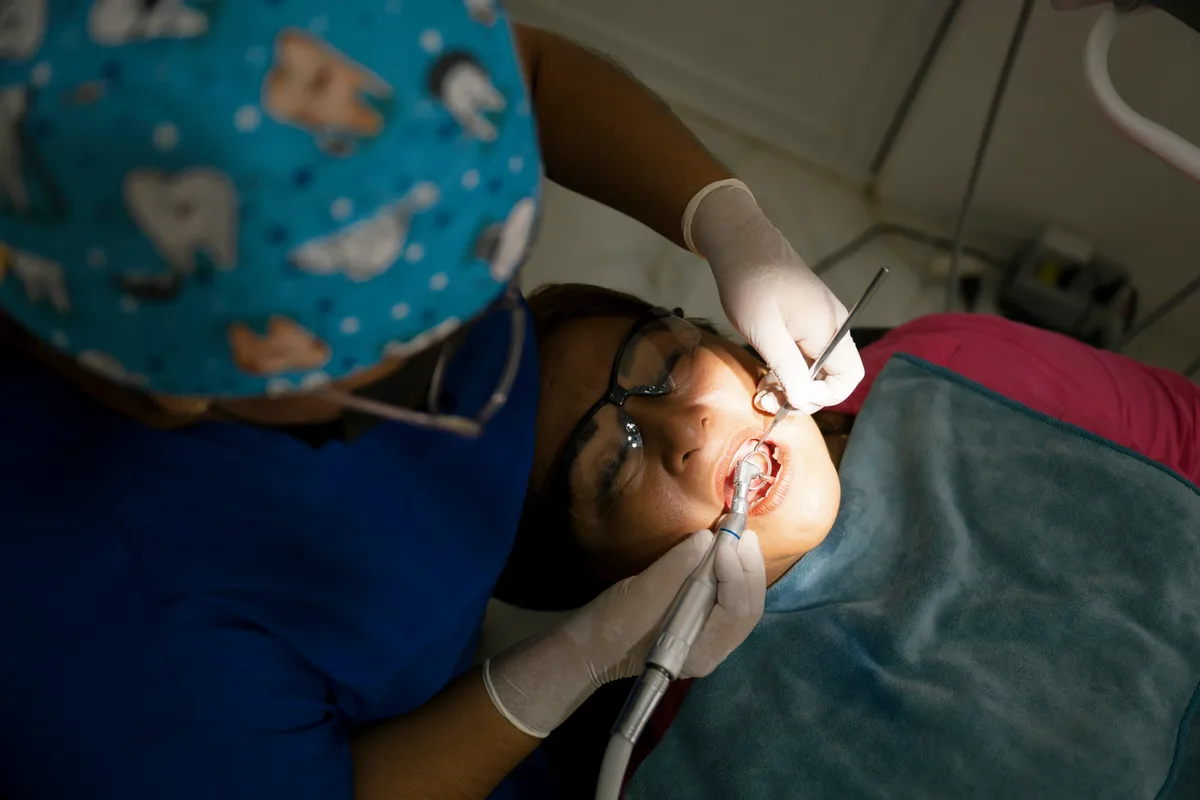
The same US course, two different tax outcomes
How you practise decides whether a US course is deductible at all. A self-initiated hygienist billing clients directly reports on a T2125, and business rules apply: US course fees that maintain or upgrade skills you already use are deductible, and convention travel fits within the Income Tax Act's two-per-year limit in subsection 20(10). A hygienist employed on a T4 in a dental office gets almost none of that — employees cannot deduct training costs, and a weekend course at a US venue fails the tuition-credit tests, which require university study of at least three consecutive weeks outside Canada.
| Cost | Self-initiated (T2125) | Employed (T4) |
|---|---|---|
| US CE course fee | Deductible when it maintains or upgrades skills you use in practice | No deduction; short foreign courses earn no tuition credit either |
| Convention travel | Deductible for up to two conventions a year, meals at 50 percent | No deduction |
| CDHO registration | Deductible business expense | Deductible as annual professional dues |
| US board-exam and state-licence fees | Not deductible — a new credential is not a current expense of the existing practice | Not deductible; the examination-fee credit covers only exams needed to practise in Canada |
Keep the course agenda and completion certificate with the receipts — the same records your CDHO quality assurance portfolio uses are what CRA asks for when a trip mixes CE with vacation.
Chasing a US credential: budget after-tax dollars
The US path runs through the National Board Dental Hygiene Examination, a clinical exam, and a state licence — state by state, on the state's terms. None of it is deductible in Canada: acquiring a credential for a jurisdiction where you do not yet practise is an investment, not an expense of your current work, and the exam-fee tax credit is limited to exams required for a professional status recognized in Canada. Plan the exam fees, prep courses, and travel as personal, after-tax spending.
There is also no visa shortcut. Unlike registered nurses and physiotherapists, dental hygienist is not a USMCA TN profession, so a US career move typically rides on other immigration status entirely. If a genuine move is in your future, the tax work is pre-departure: a dated departure return, a plan for the TFSA — which loses its shelter in US hands — and clean records for what you keep in Canada.
Occasional US income: rare, but here is the drill
Some hygienists do earn real US-source income — a paid speaking slot at a US hygiene conference, a teaching contract at a CE provider. The payer's default is 30 percent withholding. Form 8233 claims the treaty exemption up front, because a Canadian resident with no fixed US base owes no US federal tax on that income, and a 1040-NR documents the position after year-end. For small honorariums we run the math first: sometimes the recovery filing costs more than the withholding, and we say so.
What we will not sell you
A hygienist with no US income needs no cross-border structure — no US LLC, no special entity, nothing beyond good records. If someone pitches one for the sake of your CE trips, walk away. The real planning value for most hygienists is domestic: self-initiation setup, HST-exempt billing, and whether incorporation ever makes sense — which is the ground our dental hygienist tax services page covers.
Source: CRA — Line 21200, Annual union, professional, or like dues.
Common questions.
Can I deduct a US CE course?
If you practise self-initiated and report on a T2125, yes — course fees that maintain or upgrade your skills are business expenses, with conventions capped at two per year. If you are employed on a T4, there is generally no deduction and no tuition credit for short US courses.
Are NBDHE and US state licence fees deductible?
No. Costs of acquiring a new credential are not current expenses of your existing practice, and Canada's examination-fee credit only covers exams required to practise in Canada. Budget the US path as after-tax spending.
Do I need any US tax filings as an Ontario hygienist?
Almost never. US filings only enter the picture with actual US-source income, like a paid conference talk — and even then Form 8233 plus the treaty usually reduces the US tax to zero.
Related reading
Clarity before you spend on CE.
Book a consultation and get a plain answer on exactly what applies to you.