
Who We Help · Bike & Sporting Goods Shops · CFO Services
Bike shop CFO services: fund two seasons, and know which department earns
A bike and sporting goods shop that looks profitable on paper can still run out of cash every February, because the fall order for spring inventory comes due long before the spring revenue arrives to pay for it. Our fractional CFO work builds a cash flow model around that gap, reports margin by department instead of one blended number, and puts real numbers behind two decisions every shop eventually faces: how hard to push e-bikes, and whether a rental fleet is worth the capital.
By the AnalytIQ Accounting team · Last reviewed: August 12, 2026
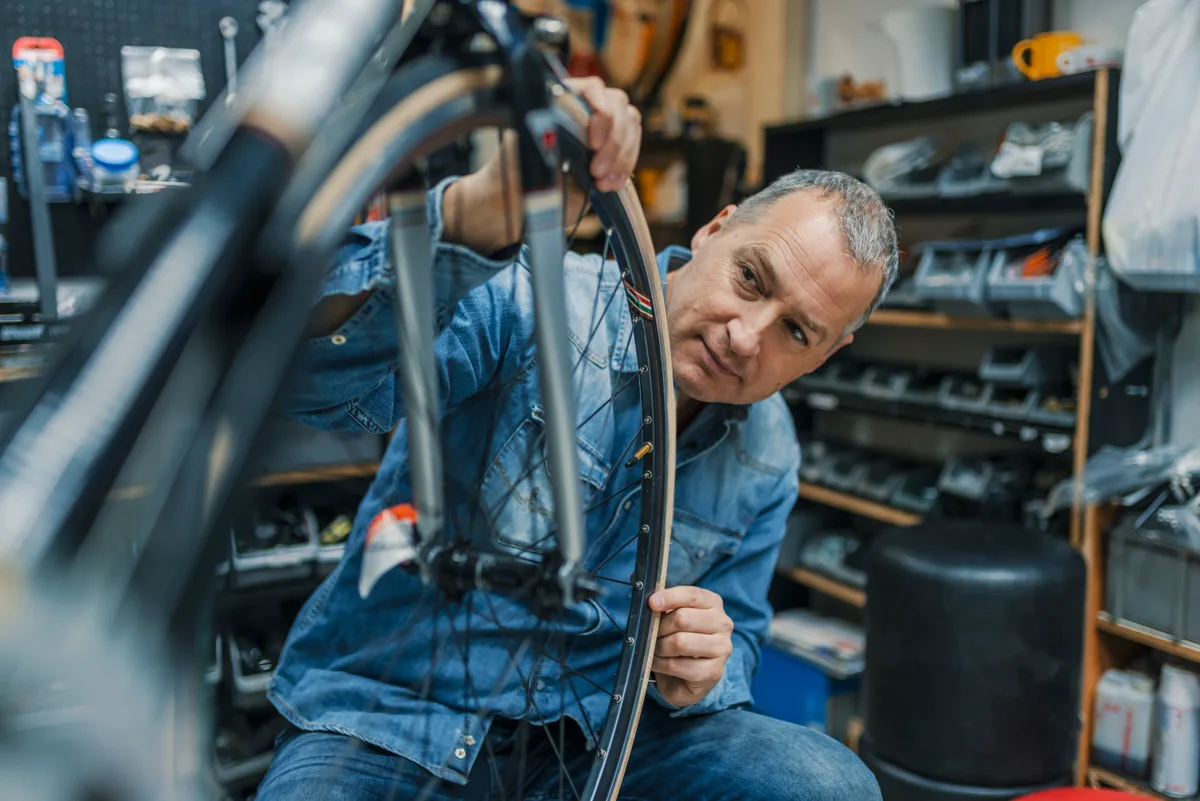
Cash flow modelled around the gap between order and sale
The single biggest cash risk in this business is timing, not profitability: the fall commitment to next spring's bike order is often the largest single payable of the year, and it falls due while the shop is still living off winter's leftover cash. A rolling cash forecast that lines up dating-program due dates against expected spring sell-through — rather than a generic monthly budget — is what keeps a profitable shop from scrambling for a line of credit every March. We build that forecast around the actual order calendar each brand uses, not a calendar-quarter assumption that does not match how the industry buys.
Margin by department, not one number for the whole floor
Bikes typically carry the thinnest percentage margin in the store, apparel and accessories the richest, and service the best margin of all on a much smaller revenue base — so a single blended margin figure hides more than it reveals. We report gross margin dollars by department each month, which changes decisions on the floor: shelf and floor space shift toward what earns rather than what looks impressive parked at the front window, and a strong bike-sales month that actually delivered a mediocre gross margin dollar total gets seen for what it is instead of celebrated on revenue alone.
The same view exposes attachment rate as a lever worth managing on purpose. A helmet, lock, or set of pedals sold alongside a bike adds a high-margin dollar to a transaction that otherwise ran on thin bike margin alone, and tracking attach rate by staff member — not just by month — usually finds a wide gap between the best and weakest sellers on the floor that a manager can coach directly.
| Department | Typical margin pattern | CFO question |
|---|---|---|
| Bikes and e-bikes | Lower percentage, biggest dollar tickets | Is the floor space and deposit capital tied up here earning enough per square foot? |
| Apparel and accessories | High percentage, smaller tickets | Is checkout staff attaching these to every bike sale? |
| Service | Best margin, capacity-limited by bench hours | Is the bench booked out, and does pricing reflect that demand? |
The e-bike bet: bigger ticket, bigger exposure
E-bikes carry a much higher price point and often a better margin dollar per unit than a standard bike, which makes them attractive to push — but they also tie up more cash per unit sitting on the floor, carry battery and electronics warranty questions a standard bike never raises, and depreciate faster in perceived value as new battery technology reaches the market each year. Before committing floor space and dating-program dollars to a bigger e-bike order, we model the carrying cost of that inventory against a realistic sell-through rate, not the distributor's most optimistic projection, so the decision reflects your shop's actual customer base rather than the category's growth story.
Should you run a rental fleet?
A rental fleet of bikes, skis, or boards can smooth revenue into the shoulder months and introduce new customers to gear they later buy, but it is a capital decision, not a marketing one: fleet units are assets depreciated over their useful life, they need replacement on a schedule as they wear out, and utilization has to clear a real threshold before the fleet pays for itself over buying new retail inventory instead. We run that comparison against your actual foot traffic and local tourism or event calendar rather than assuming a fleet works simply because a competitor down the road runs one.
A fleet also changes how insurance, liability waivers, and maintenance labour show up in the numbers — a rental unit needs a safety check between every rental, and that bench time is a real cost even though no invoice gets cut for it. We fold that labour into the fleet's true cost per rental day before comparing it against retail sell-through, rather than treating the fleet as free once it is bought.
What comes next once the numbers are honest
Once cash flow and department margins are visible, the bigger calls get easier to make with confidence: which brand's dating terms actually suit your cash cycle, whether a second location or a larger service bay pays for itself, and how much of the fall order should be trimmed if last spring's sell-through fell short. The bookkeeping that produces these numbers monthly is described on our bike shop bookkeeping page, and shops with US or Asian supplier exposure should also see our cross-border tax page for bike shops.
Common questions.
Why does a profitable shop still run short on cash every spring?
Because the fall commitment to spring inventory is usually the year’s largest payable, and it falls due before spring sales bring in the cash to cover it. A forecast built around dating-program due dates, not a generic monthly budget, closes that gap.
Should we push e-bikes harder given their higher price point?
Only after modelling the carrying cost of that inventory against a realistic sell-through rate — e-bikes tie up more cash per unit and carry battery and warranty questions a standard bike does not. The margin dollar per unit can still make it worthwhile once those costs are counted.
Is a rental fleet worth adding?
It can smooth revenue into slower months, but it is a capital decision: fleet units depreciate and need replacement, and utilization has to clear a real threshold before it beats simply carrying more retail inventory. We model that against your actual traffic before recommending it.
Related reading
Fund the season before it starts.
Book a consultation and get a plain answer on exactly what applies to you.