
Who We Help · Vape & Smoke Shops · CFO Services
Vape shop CFO services: manage thin margins and the next regulatory shift
A vape and smoke shop earns a thin percentage on top of a cost base already carrying two layers of excise duty, and the product mix underneath that margin can change overnight when a new restriction lands. Our fractional CFO work for this niche prices every SKU on what it actually contributes after duty, budgets compliance as a real cost centre rather than an afterthought, and stress-tests the shop against the next regulatory change before it happens rather than after.
By the AnalytIQ Accounting team · Last reviewed: August 12, 2026
Every SKU has to earn its shelf space
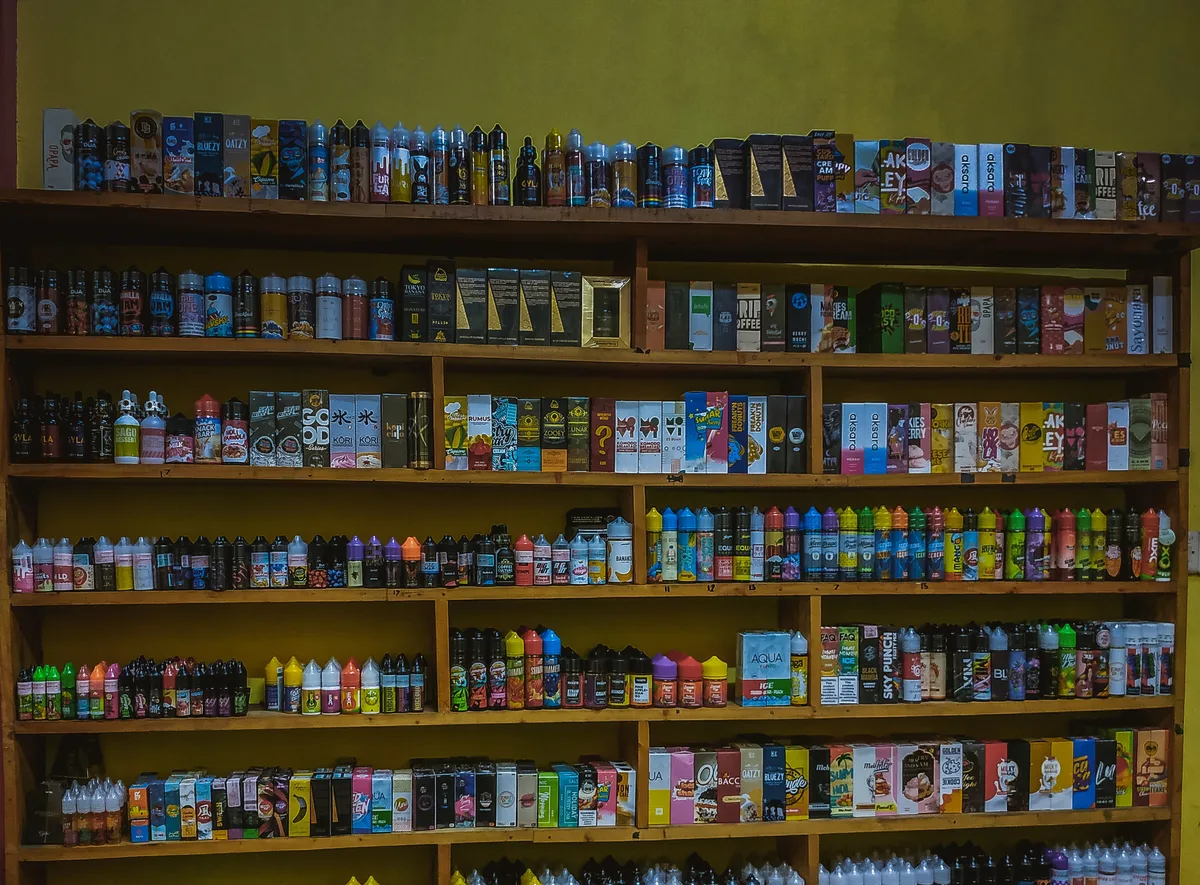
Once federal and, in Ontario, coordinated provincial duty are built into cost, the percentage margin available on a vaping or tobacco SKU is genuinely thin, which means the retailer's own pricing and mix decisions matter more here than in a category with room to absorb a slow-moving line. We report margin dollars per SKU after the full duty-paid cost, not a blended storewide percentage, so slow, low-margin lines that are quietly taking up shelf space and cash get identified and either repriced, reduced, or dropped — rather than reordered out of habit because they have always been on the shelf.
Hardware and devices behave differently from consumable liquids in this math, and the two are worth separating rather than reading as one category. Devices carry a higher price point and a margin less distorted by excise duty, while liquids and disposables carry more of the duty burden relative to their retail price — a shop leaning too heavily on liquid volume for revenue, while assuming device-level margins, is measuring itself against the wrong benchmark every month.
Plan for the next restriction before it happens
This category has already been through more than one significant regulatory shift since it was first taxed federally in 2022, and the pattern is unlikely to be finished — flavour rules, packaging requirements, and device restrictions have each reshaped what a shop could sell with limited notice. We build a simple scenario model with our clients: what happens to revenue and cash flow if a defined share of current SKUs became unsellable, and how much inventory exposure the shop is carrying in categories that history suggests are more likely to face the next round of restriction. That is not a forecast of what will happen — it is a way to know, in advance, roughly how bad a bad scenario would be, rather than finding out for the first time when it lands. Shops that carry lean, fast-turning inventory rather than deep stockpiles of any single line tend to weather these shifts far better, and that is as much a purchasing discipline as a financial one — a cash flow benefit of ordering little and often shows up long before any restriction ever arrives.
| Cost | Where it is easy to under-budget | Why it belongs in the plan |
|---|---|---|
| Staff training and turnover | Treated as a one-time hiring cost | Repeated training is what keeps the permit |
| Permit renewals and signage compliance | Assumed to be a small annual fee | A lapse can halt sales of an entire category |
| Inventory exposed to future bans | Not tracked as a distinct risk category | Determines how much cash could be stranded overnight |
Compliance is a cost centre, budget it like one
Training pay, signage that meets current display and promotion rules, and the fees behind two separate retail permits are not overhead to be minimized quietly — they are the cost of staying open, and treating them as a defined monthly line in the budget makes the true, all-in cost of running the shop visible rather than buried inside general operating expenses. Shops that budget compliance honestly rarely find it surprising; shops that do not tend to discover its real cost the first time an inspection or a mystery shopper visit goes badly. A modest, planned compliance budget is cheaper every year than the fine, lost sales, or permit suspension that follows the one time it was skipped.
Expansion is a zoning question before it is a real estate one
Municipal rules in many areas restrict how close a vape or smoke shop can operate to a school, which means a promising second location has to clear a zoning and licensing check before any lease or renovation budget is worth building. We build the expansion case in that order — confirm the location is legally viable, then model the numbers — rather than falling in love with a space and discovering a zoning problem after signing a lease that cannot be undone cheaply. The daily numbers behind all of this are covered on our vape shop bookkeeping page, and shops sourcing product from US suppliers should see our cross-border tax page for vape shops.
Common questions.
Why does margin percentage look so thin in this business?
Because federal and, in Ontario, coordinated provincial excise duty are already built into cost before your markup is applied, leaving a genuinely thin percentage to work with. We report margin dollars per SKU after full duty-paid cost so the real picture is visible.
How do you plan for a future product ban when the timing is unknown?
We build a scenario model estimating the revenue and cash-flow impact if a defined share of current SKUs became unsellable, based on which categories have faced restriction before. It will not predict the next rule, but it shows roughly how exposed the shop is if one lands.
What should we check before opening a second location?
Zoning and licensing eligibility first — many municipalities restrict proximity to schools — before any lease or renovation numbers are worth modelling. A location that fails that check on paper is not worth pricing out further.
Related reading
Manage the margin that is left after duty.
Book a consultation and get a plain answer on exactly what applies to you.