
Who We Help · Banquet Halls · Tax Services
Banquet hall tax services: when deposits become taxable — and when they do not
The tax question that runs a banquet hall is timing. HST on a booking deposit is generally not collectible when the cheque arrives — it becomes collectible when the deposit is applied to the event bill or forfeited on a cancellation — while income tax counts the money sooner and lets a reserve push the profit back to the event year. Get those two clocks right and the rest of the file is a well-organized T2. We build the clocks into the books so every date takes care of itself.
By the AnalytIQ Accounting team · Last reviewed: August 12, 2026
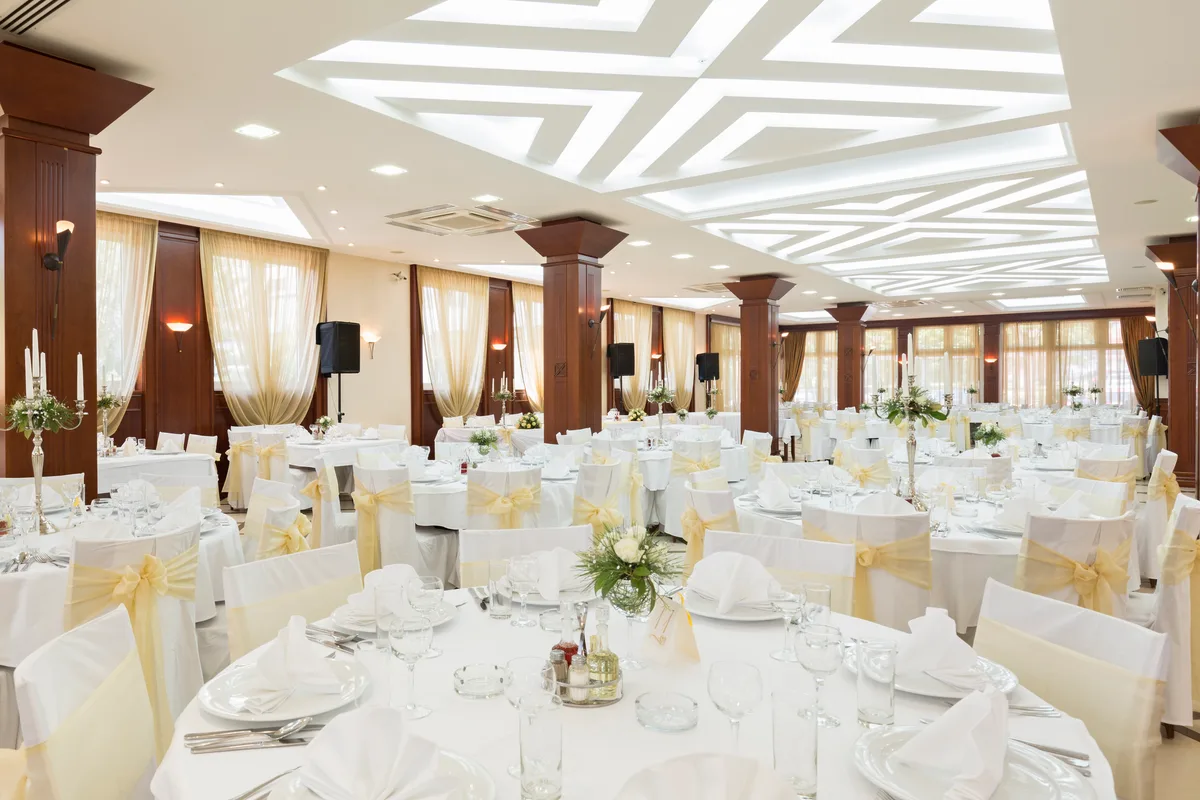
One package, one rate: the whole bill is taxable
A banquet package — room, catering, bar, setup, staffing — is a taxable supply at 13 percent in Ontario, and no part of it borrows the zero-rating that basic groceries enjoy at a supermarket: catering is always taxable, plated or buffet, per head or per platter. The mandatory service charge printed on the contract is part of the price, so it carries HST too; only genuinely voluntary tips a guest chooses to add stay outside the tax. And when that service charge is pooled and paid out to banquet staff, it becomes a controlled tip — pensionable and insurable through payroll, which is a second file with its own deadlines. Bar revenue follows the same 13 percent whether you price by consumption or by package.
The HST clock on deposits
Under the GST/HST rules, a deposit is not consideration until it is applied or forfeited. Take a $2,000 deposit in October for a June wedding and, as long as it is a true deposit rather than an invoiced instalment, no HST is collectible in October; the tax becomes collectible when the deposit is applied against the event invoice, normally in the period the event lands. Invoice instalments and the analysis changes — tax follows the earlier of invoicing and payment — so a hall that issues progress invoices has chosen a faster clock, sometimes without meaning to. The contract wording and the paperwork sequence decide which regime you are in, which is why we read both before we set up the billing flow.
| What happens | GST/HST | Income tax |
|---|---|---|
| True deposit received in the fall | Not yet collectible — a deposit is not consideration until applied or forfeited | Included under 12(1)(a), offset by a 20(1)(m) reserve |
| Instalment invoiced before the event | Collectible on the earlier of invoicing and payment | Same reserve logic while the event is undelivered |
| Deposit applied at the event | Collectible as part of the event bill | Reserve unwinds; the full price is income |
| Client cancels and forfeits the deposit | Deemed tax-included — remit 13/113 of the amount kept | The kept amount is income in the year of forfeiture |
The income tax clock runs differently
For income tax, an advance payment for services to be rendered later is generally income when received under paragraph 12(1)(a) — but paragraph 20(1)(m) allows a reserve that defers the profit to the year the event is delivered. A December year-end sitting on a book of spring weddings therefore carries a reserve schedule every year: deposits in, reserve up; events delivered, reserve unwound. A genuine security deposit — refundable, held against damage — is not income at all. The contract wording decides which kind of deposit you took, so we read the contract, not just the bank feed.
Cancellations: the kept deposit contains its own HST
When a client walks and the contract lets you keep the deposit, the forfeited amount is deemed to include the tax: in Ontario you remit 13/113 of what you kept and the remainder is income. Halls that book the whole forfeiture as revenue overstate income and understate HST payable in the same stroke. The same deeming logic reaches cancellation fees charged under a taxable-supply contract, so the credit-note-and-rebill paperwork matters as much as the number.
A cash-aware T2
Event businesses draw CRA attention because deposits, bar takings and calendars leave a trail an auditor can cross-match: the deposits ledger against the bookings calendar against the deposit column of the bank statement. Our year-end ties those three together before anyone asks, closes the reserve schedule, and files a T2 that claims the small business deduction the hall earns as an active business. The border file here is thin — mostly US liquor and supplier imports — and we keep it honest on the banquet hall cross-border tax page; the full engagement menu, from HST reviews to instalment planning, is on our tax services page. Fixed fees, quoted after a discovery call.
Source: CRA — GST/HST for businesses.
Common questions.
Do we charge HST when we take a booking deposit?
Generally not — a true deposit is not consideration until it is applied to the event bill or forfeited, so HST becomes collectible then. If you invoice instalments instead, tax follows the earlier of invoicing and payment.
Is HST owed on a deposit we kept after a cancellation?
Yes. A forfeited deposit under a taxable-supply contract is deemed to include the tax, so in Ontario you remit 13/113 of the amount kept and the remainder is income.
Are deposits for next season taxed as income this year?
They are included when received, but a reserve under paragraph 20(1)(m) normally defers the profit to the year the event is delivered. The reserve is recalculated at every year-end from the bookings calendar.
Related reading
Deposit-to-event tax handled on time.
Book a consultation and get a plain answer on exactly what applies to you.