
Who We Help · Banquet Halls · Incorporation
Incorporating a banquet hall: the liquor licence and the liability both point one way
Own and operate a banquet hall through a corporation before the first date goes in the book, because the two defining features of this business both attach to a legal entity: the AGCO liquor licence that lets you pour, and the event contracts and deposits that make you answerable to a couple two years before their wedding. Add several hundred guests, alcohol, and a midnight parking lot to every event night, and running a hall personally is a risk no fee saving justifies.
By the AnalytIQ Accounting team · Last reviewed: August 12, 2026
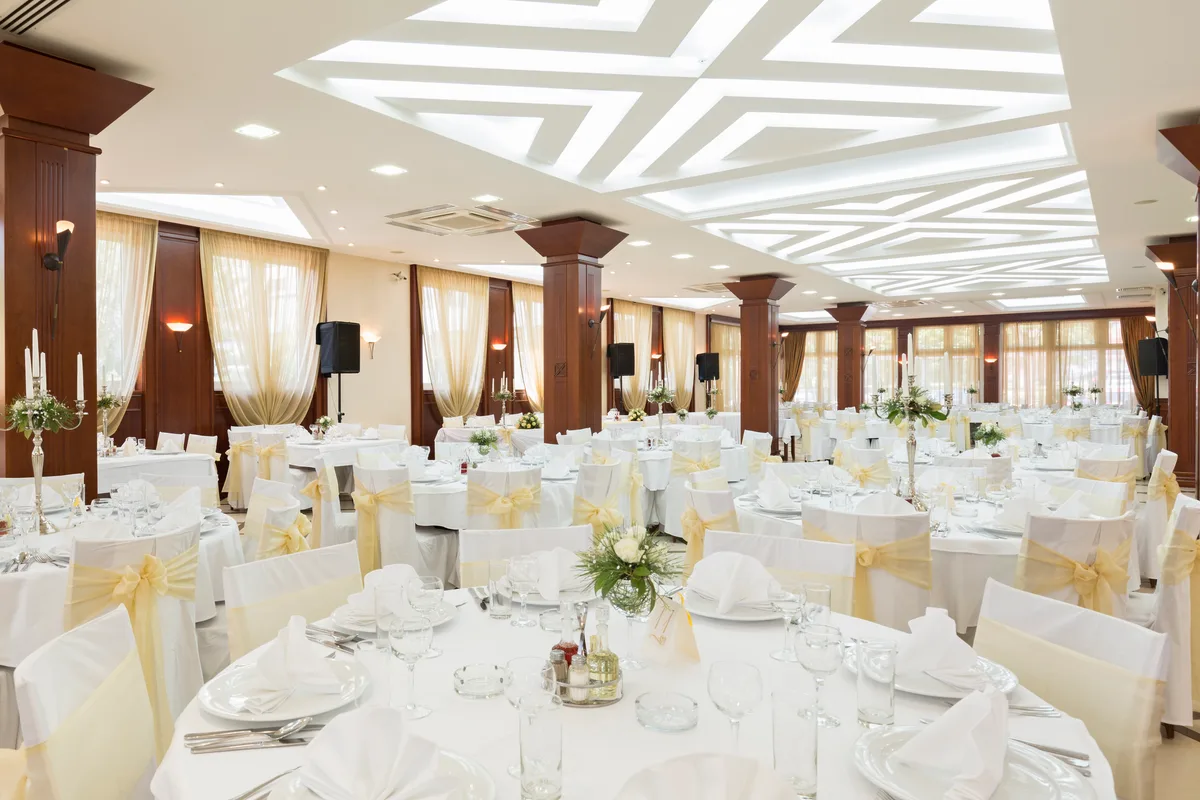
The liquor licence belongs to the entity that pours
Alcohol service at an Ontario banquet hall runs on a liquor sales licence issued by the Alcohol and Gaming Commission of Ontario, and that licence names its holder. Incorporate first and apply second, so the licence is born in the corporation that will actually operate the hall — a licence sitting with you personally, or with the wrong company in a family group, becomes harder to fix with every booked date on the calendar.
The same logic governs buying an existing hall. A liquor licence does not simply ride along with the keys: the AGCO has its own process for transfers and changes of ownership, and the current requirements are worth confirming directly at the start of any deal, because a licensing gap between closing and approval is a gap in your event calendar. Remember too that the licence carries its compliance record — whoever holds it answers for the infractions logged under it, which is one more reason share buyers read the AGCO file as carefully as the lease.
Event liability is why this is a corporation business
A hall faces exposure most small businesses never see. Ontario courts have long recognized commercial host liability: a business that serves alcohol can be held partly responsible for what an over-served guest does afterward, on the dance floor or on the drive home. Layer on the ordinary physics of large events — crowded rooms, hot kitchens, icy steps at 1 a.m., security decisions made in real time — and the potential claims scale with the guest count.
A corporation keeps those claims aimed at the business instead of your house, but treat it as the backstop rather than the plan. The front line is liquor liability insurance at serious limits, Smart Serve-trained and certificated staff, written service policies your team actually follows, and event contracts that require outside caterers and vendors working your floor to prove their own coverage. The corporation is what stands behind you when a claim exceeds or escapes all of that.
Every deposit is a debt the entity owes
Each date in the book is money taken for a service not yet delivered. Deposits and instalments for functions months or years out are liabilities on any honest balance sheet, and if a hall cannot deliver — a fire, a flood, a failed season — the refund claims land on whoever signed the contracts. Signing in the corporation's name keeps one bad year from becoming a personal insolvency, and it is why buyers must diligence a hall's deposit book as hard as its building: those bookings are obligations the seller has already been paid for.
Keep the tax treatment deliberate as well. HST on a true deposit is generally not triggered until the deposit is applied against the event, so the books need to distinguish deposits held from revenue earned — discipline that also tells you, honestly, how much of the bank balance is actually yours.
Who should hold what
The clean structure separates the licence and the risk from the property and the profits.
| Piece of the business | Where it sits | Why |
|---|---|---|
| Liquor sales licence | Operating corporation | The AGCO licenses the operator; service liability and the compliance record stay with the entity that pours |
| Building | Separate property corporation, where you own it | Keeps the real estate beyond the reach of event claims; a written lease connects the two |
| Event contracts and deposits | Operating corporation | Refund obligations and cancellation disputes stop at the business |
| Staff, payroll, WSIB | Operating corporation | Source deductions and employment claims belong beside the operations — directors stay personally liable for unremitted amounts |
| Retained profits | Holding company above the opco | Moves banked cash away from operating risk and opens estate-planning room |
Two closing notes. An associated group of corporations shares a single $500,000 small business limit, so the split is about protection more than rate. And the cross-border side of this niche is genuinely thin — US liquor and supplier imports, the occasional US-resident owner — which we treat honestly on our banquet hall cross-border tax page rather than padding it. Our incorporation and compliance service sets up the corporations and the lease, sequences the AGCO application, and keeps the annual filings current.
Common questions.
Does a banquet hall's liquor licence transfer when I buy the hall?
Not automatically — the licence names its holder, and the AGCO runs its own process for transfers and ownership changes. Confirm the current requirements at the start of the deal so approval timing does not leave the event calendar dark.
Do I still need a corporation if the hall carries strong insurance?
Yes — insurance is the front line and the corporation is the backstop for claims that exceed limits or fall outside the policy. The licence, the event contracts, and the deposit obligations also all need a stable legal entity to attach to.
Are event deposits taxable when I receive them?
HST on a true deposit is generally triggered when the deposit is applied against the event, not when the cash arrives. Your books should carry unearned deposits as liabilities so the bank balance never gets mistaken for revenue.
Related reading
Licensed, insured, and properly incorporated.
Book a consultation and get a plain answer on exactly what applies to you.