
Who We Help · Audiologists & Hearing Clinics · Incorporation
Incorporating a hearing clinic: one structure for two kinds of owner
Whether a hearing clinic can incorporate as a professional corporation depends on who owns it, not what the clinic does — a CASLPO-registered audiologist has that option, while a hearing instrument specialist generally does not, because health profession corporations in Ontario are tied to registrants of a college under the Regulated Health Professions Act. We set up the right structure for the owner in front of us, register the correct accounts, and keep the dispensary side clean regardless of which route applies.
By the AnalytIQ Accounting team · Last reviewed: August 12, 2026
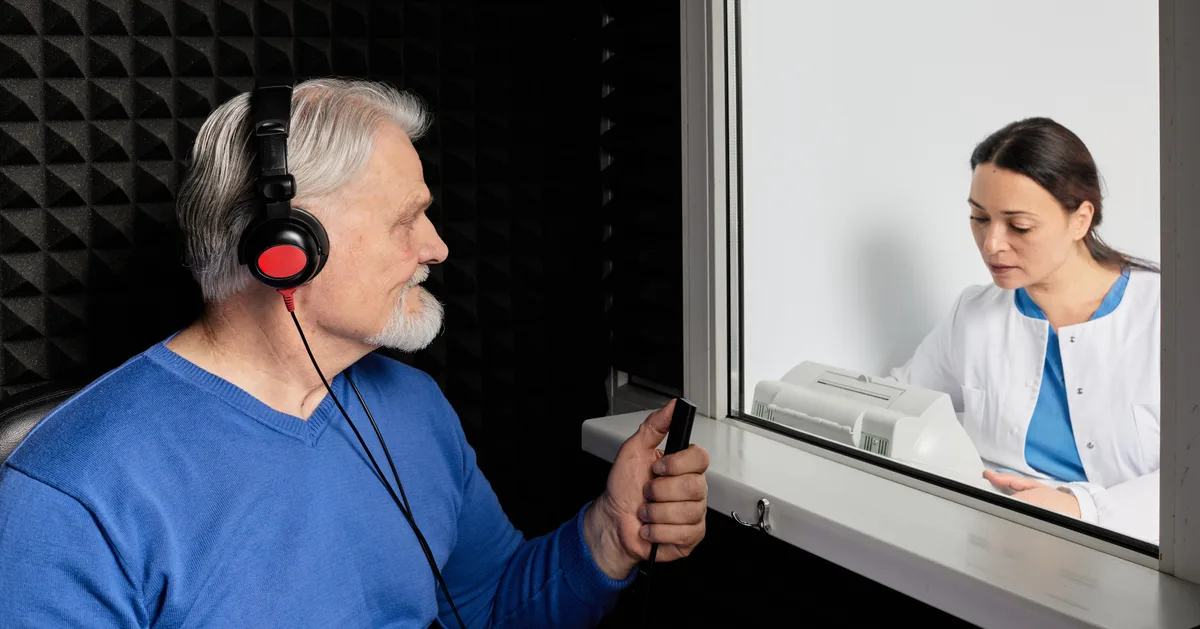
Audiologist-owned clinics: the professional corporation route
A CASLPO-registered audiologist can incorporate a health profession corporation, which lets clinical and dispensary income flow through one corporate entity taxed at the small business rate on active income up to the usual limit. The corporation's name typically has to include the audiologist's name plus a permitted descriptor, and CASLPO's own rules govern who may hold voting shares — generally the registrant, sometimes alongside other members of the profession, but not an unrelated hearing instrument specialist who is not a CASLPO member. Non-voting shares held by family members are common in Ontario health profession corporations generally, but the specific allowance depends on CASLPO's current by-laws, so we confirm the cap table against those rules before it is finalized rather than assuming the pattern from another regulated profession applies here unchanged.
Specialist-owned dispensaries: an ordinary business corporation
Where a hearing instrument specialist owns and runs the clinic without an audiologist as a principal, the business generally incorporates as an ordinary corporation under the Ontario Business Corporations Act or federally, with none of the professional-corporation naming or share restrictions. That flexibility cuts both ways: it opens the door to a wider range of shareholders and family income-splitting structures, but it also means the corporation cannot call itself a professional corporation or claim CASLPO's professional-corporation status, and any hiring of a CASLPO-registered audiologist as an employee has to respect that person's own scope of practice and professional obligations independent of who owns the business.
Clinics with both roles on staff
Many clinics employ both an audiologist and one or more hearing instrument specialists under a single roof, and the incorporation choice usually follows whichever professional is the principal owner rather than trying to blend both credentials into one corporate form. Where an audiologist owns the professional corporation and employs a specialist, the specialist is simply staff; where a specialist owns the business and contracts with or employs an audiologist for the clinical assessments, the corporate structure stays an ordinary business corporation and the audiologist's own professional liability and scope questions are handled through their individual registration, not the corporation's. A related question we see often is two audiologists opening a clinic together as equal partners: a single professional corporation with both as voting shareholders is usually workable, but the shareholders' agreement still needs to address what happens if one partner's CASLPO registration lapses or is suspended, since that can affect the corporation's own standing to bill under the professional-corporation rules.
- ADP vendor registration — a change in the legal entity operating the clinic generally requires updating the Assistive Devices Program vendor registration, so incorporation timing should account for any gap in eligible billing.
- Manufacturer accounts — purchasing programs and rebate tiers are usually tied to the entity on the account, so we confirm those transfer cleanly to the new corporation rather than resetting a volume tier back to zero.
- Business number and GST/HST registration — the new corporation needs its own registrations from day one, since the exempt-plus-zero-rated-plus-taxable filing pattern starts on the first invoice, not once the paperwork catches up.
- WSIB and payroll accounts — a new legal entity means new employer accounts, so existing staff need to be moved over correctly rather than left attached to a corporation that no longer operates the clinic.
What incorporation actually changes for a hearing clinic
Beyond the tax rate on active income, incorporation separates the clinic's liabilities from the owner's personal assets, which matters in a business that carries real inventory risk, equipment financing, and lease obligations. It also creates a clean vehicle for eventual sale or partnership — a meaningful consideration in a sector where consolidator interest is real — since a buyer generally wants clean corporate books and title to the entity's contracts and ADP registration, not a sole proprietor's personal accounts. Where a sole-proprietor clinic has been running as an unincorporated business for years, we handle the transition of assets, inventory, and existing contracts into the new corporation as part of the same engagement, including the tax elections available to roll equipment and inventory in without triggering an immediate gain on assets that have appreciated since purchase. For an audiologist with a US training background, see our cross-border tax page for hearing clinics, and for what our incorporation service covers end to end, see our incorporation and compliance service.
Common questions.
Can a hearing instrument specialist form a professional corporation?
Generally no. Health profession corporations in Ontario are tied to a college regulated under the Regulated Health Professions Act, and hearing instrument specialists are not CASLPO registrants, so their businesses typically incorporate as ordinary corporations instead.
Who can hold shares in an audiologist’s professional corporation?
Voting shares are generally restricted to the registrant and, in some structures, other members of the profession. Non-voting shares for family members are common in Ontario health profession corporations, subject to CASLPO’s specific by-laws.
Does incorporating affect ADP vendor status?
Often yes — a change in the legal entity operating the clinic typically requires updating the Assistive Devices Program vendor registration, so we plan the timing to avoid a gap in eligible billing.
Related reading
Set up the right structure from day one.
Book a consultation and get a plain answer on exactly what applies to you.