
Who We Help · Vending Operators · Tax Services
Vending machine taxes: HST hides inside every price on your route
Every snack, pop, and candy bar sold from a vending machine is taxable — the zero-rating that groceries get in a store does not follow food into your machine — and the price on the button already includes the HST. That means your real revenue in Ontario is gross collections times 100/113, and the remittance comes out of margins you thought you had. We build vending T2s and HST returns from telemetry and collection data so the tax math is right machine by machine.
By the AnalytIQ Accounting team · Last reviewed: August 12, 2026
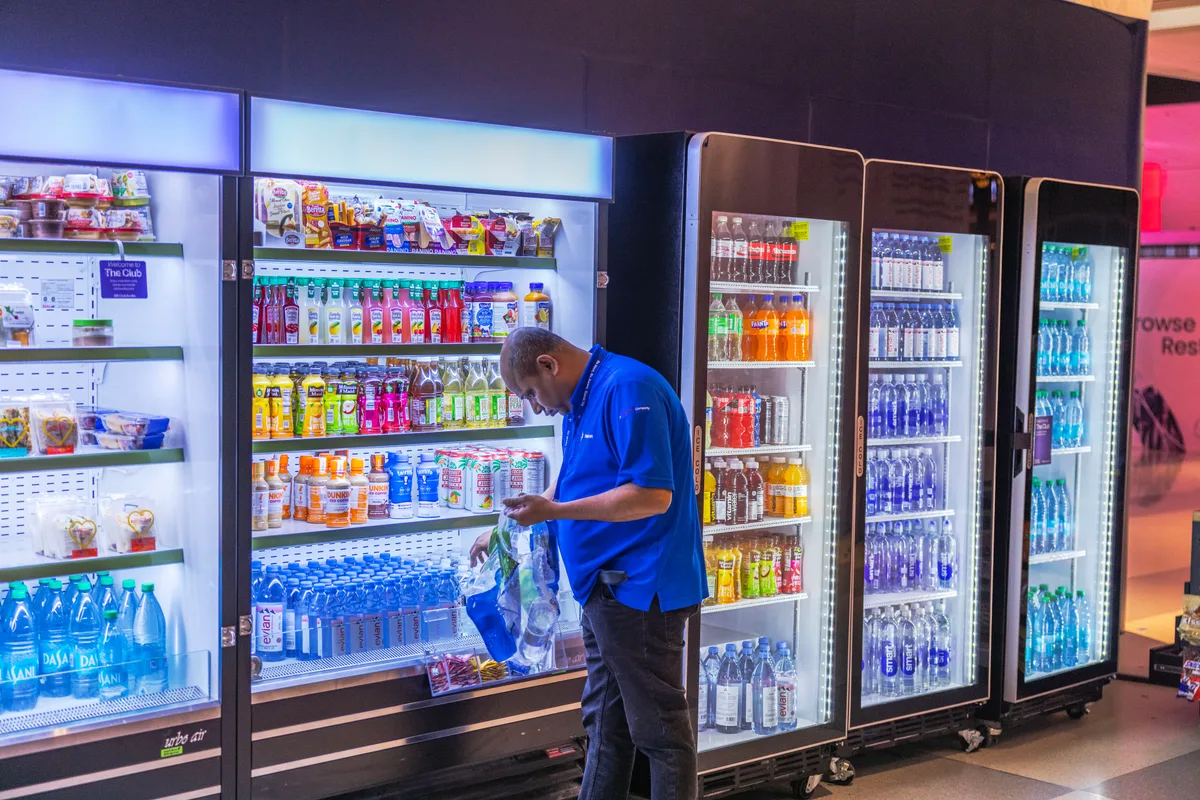
Everything vended is taxable — and the price includes the tax
The GST/HST rules single out vending: food and beverages sold through a vending machine are excluded from zero-rating, so the milk or juice that would be tax-free at a grocery checkout is taxable from your machine. Since nobody adds tax at the coin slot, every vend is a tax-included sale — in Ontario you back the 13% out of gross collections, keeping 100/113 as revenue and remitting the rest. Operators who report collections as revenue and then add HST on top overstate income and overpay tax; operators who forget the back-out entirely understate the remittance. Both errors compound across hundreds of machines and thousands of vends.
Pricing has to respect this. Moving a bottle from $2.75 to $3.00 is not a 25-cent raise — it is a 22-cent raise with 3 cents going to CRA, and route-level margin decisions go wrong when that arithmetic is skipped.
The coin-operated rules: timing, and one genuine exemption
The Excise Tax Act contains a rule written for exactly this business: for a coin-operated machine, the supply is deemed to happen on the day you remove the money from the machine. Your HST obligation follows collection dates, not vend dates — a machine full of December sales that you empty on January 3rd belongs to the January reporting period. That makes your collection log the primary tax record, and it is why we reconcile HST returns to route collection sheets and cashless processor deposits rather than to estimates.
There is also one narrow, genuine exemption: a mechanical coin-operated device that accepts only a single coin of 25 cents or less — the classic gumball machine — has its tax calculated at zero. It applies to purely mechanical quarter machines, not to anything electronic or card-enabled, so for most modern routes it is a footnote rather than a strategy.
| Scenario | GST/HST treatment | What to do |
|---|---|---|
| Snack and drink machine in Ontario | Taxable at 13%, tax included in the vend price | Report collections times 100/113 as revenue |
| Same machine placed in another province | Rate follows the machine's location | Track tax rate per machine, not per company |
| Mechanical 25-cent gumball machine | Tax calculated at zero | Keep these collections separated in the log |
| Cashless card and tap sales | Taxable; processor deposits arrive net of fees | Book gross sales, deduct fees as an expense |
Place of supply is the sleeper issue for growing routes: the applicable rate is where the machine sits, so an operator expanding across a provincial line inherits a second tax rate and must split the GST34 accordingly.
CCA: machines at 20%, the van at 30%, the route itself at 5%
Vending machines are Class 8 equipment at 20% declining balance, and card readers and telemetry hardware ride along in the same class. The route van belongs in Class 10 at 30%. When you buy an existing route, the purchase price rarely goes entirely to machines: the location agreements and relationships are goodwill in Class 14.1 at 5%, so the allocation written into the purchase agreement decides how fast you recover the cost. Sellers want goodwill for capital-gains treatment; buyers want machines for the faster write-off — we negotiate that split with the tax math in hand, and the HST on the deal often turns on whether the election for the sale of a business applies.
A T2 that survives a cash-business review
Vending is a cash business, and CRA treats cash businesses with structured skepticism. The defence is third-party data: telemetry vend counts, cashless processor statements, and collection sheets that tie to bank deposits. When those three agree, a review ends quickly; when revenue is a round number someone remembered, it does not. We also make sure location commissions paid to site owners are documented with statements — they are fully deductible, and hosts who are GST/HST registrants should be invoicing you tax that you can claim back.
Incorporated operators keep the small business deduction on route profits and can time owner pay between salary and dividends as the route scales. New machines mostly come from US manufacturers, and the duty, border GST, and exchange questions on those imports live in our cross-border tax guide for vending operators. Our tax services page covers how corporate returns, HST filings, and planning fit into one fixed-fee engagement.
Common questions.
Do I charge HST on food that would be tax-free in a grocery store?
Yes. Food and beverages sold through vending machines are excluded from zero-rating, so everything you vend is taxable. The tax is built into the button price, and you remit 13/113 of Ontario collections.
When do I account for HST on coin sales?
On the day you empty the machine — the law deems the supply to happen when the money is removed. Your collection log therefore sets the reporting period, which is why we reconcile HST returns to route collection sheets.
What CCA class are vending machines?
Class 8, at 20% declining balance, along with card readers and telemetry gear. The route van is Class 10 at 30%, and goodwill from buying an existing route depreciates slowly in Class 14.1 at 5% — so purchase-price allocation matters.
Related reading
Route taxes handled down to the coin.
Book a consultation and get a plain answer on exactly what applies to you.