
Who We Help · Photographers · Bookkeeping
Photographer and videographer bookkeeping: profit measured shoot by shoot
A photography business runs on shoots, and the books should too: every wedding, session, and commercial job carries its own retainer, balance invoice, second-shooter cost, and delivery date. Retainers are liabilities until you shoot, gear belongs on an asset schedule, and profit only means something when it is measured per job. We keep shoot-level books for photographers and videographers across Ontario.
By the AnalytIQ Accounting team · Last reviewed: August 12, 2026
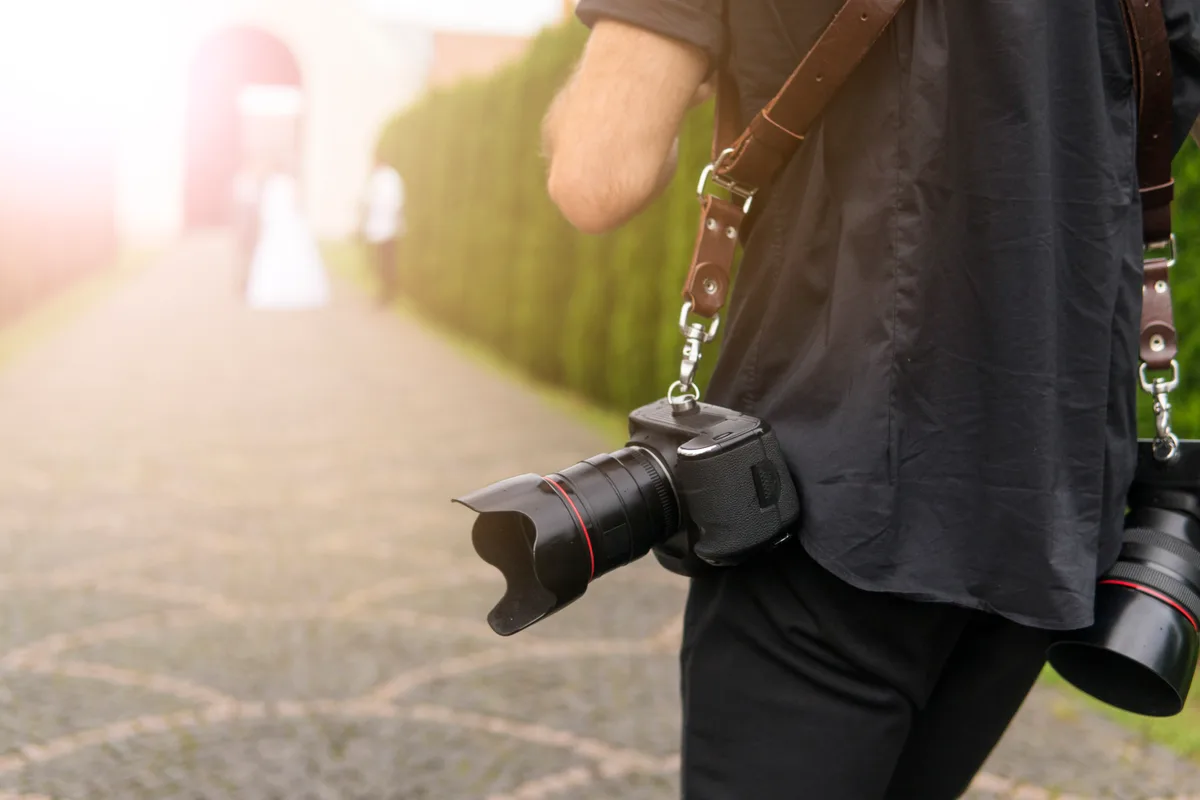
A retainer is a liability until the shutter clicks
The booking retainer for next October's wedding is cash in the bank, but it is not income yet. It posts to a client deposits liability and moves to revenue when you earn it — at the shoot or at delivery, whichever your contract says. Books that treat every deposit as instant income overstate this year, understate next year, and hide the scariest number in a studio: how much work you have already been paid for but not yet performed.
HST timing follows the same logic, with a twist. A true deposit is generally not taxed until it is applied against the invoice, while a non-refundable booking fee can attract HST the day it lands. Contract wording decides, so we read yours before we set up the workflow.
Measure profit per shoot, not per month
A monthly profit line cannot tell you whether weddings, corporate work, or mini-sessions pay best — job-level tracking can. Each shoot in QuickBooks Online carries its own revenue lines (package, add-ons, prints, albums) and its own direct costs (second shooter, editor, album and lab charges, travel, permits), with receipts flowing in through Dext as they happen.
Done consistently, the pattern is usually blunt: one or two lines of the business quietly subsidize the rest. That is the number to price from, and it is the base for every planning conversation that follows.
Your gear list is an asset schedule, not an expense line
Camera bodies, lenses, and lighting are capital assets: they go on a register and are claimed over years through capital cost allowance, not written off the week you buy them. Keeping the register current does double duty — it drives the CCA claim, and it is the exact list your insurer asks for after a theft from the car.
| Purchase | How it lands in the books |
|---|---|
| Camera bodies, lenses, lighting | Capitalized — CCA Class 8, 20 percent declining balance |
| Editing workstation and laptops | Capitalized — CCA Class 50, 55 percent declining balance |
| Adobe and other software subscriptions | Expensed monthly as incurred |
| Cards, bags, stands under your dollar threshold | Expensed under a written capitalization policy |
| Trade-in credit on old gear | Proceeds reduce the asset class — and can trigger recapture |
Trade-ins are the detail most owners miss. When the camera store credits your old body against a new one, that credit is proceeds of disposition, and it has to hit the register or the CCA claim drifts from reality.
Second shooters and editors are job costs with paperwork
The second shooter's invoice belongs on the wedding it relates to, not in a generic subcontractor pile. We code every contractor bill to its job, collect proper invoices with HST numbers so input tax credits are captured, and prepare T4A slips where fees for services call for them.
Classification deserves one honest look each season: a second shooter who works your schedule, with your gear, on your direction all year starts to look like an employee — a payroll question worth answering before someone else asks it. And when a couple flies you to a US destination wedding, your own fee can meet 30 percent withholding; that side lives on our cross-border tax page for photographers and videographers.
HST: the $30,000 line and what sits on each side
Once taxable billings pass $30,000 over four rolling calendar quarters, registration stops being optional — and most full-time shooters cross that line in their first busy season. Registered means 13 percent HST on Ontario clients, input tax credits back on gear and software, and a GST34 that files itself from books already split by fees, prints, and albums.
Albums and prints are goods, session fees are services, and out-of-province or US clients raise place-of-supply and zero-rating questions worth settling before the invoice goes out, not after. The full monthly rhythm behind all of this is on our bookkeeping services page.
Common questions.
Is a wedding retainer income when I receive it?
No. It sits in a client deposits liability until you earn it at the shoot or delivery, per your contract. Whether HST applies on day one depends on whether it is a true deposit or a non-refundable booking fee.
Can I write off camera gear in the year I buy it?
Usually not in full. Bodies, lenses, and lighting are capitalized and claimed over years through CCA — Class 8 at 20 percent for most camera equipment — while small accessories under a sensible dollar threshold are expensed outright.
How do I handle paying a second shooter?
Get an invoice, code the cost to the specific job, capture any HST as an input tax credit, and issue a T4A where fees for services require one. If they work your schedule with your gear all season, the employee question needs a real answer.
Related reading
Books that know what each shoot earned.
Book a consultation and get a plain answer on exactly what applies to you.