
Who We Help · Pet Groomers & Boarding · Payroll
Pet groomer and boarding payroll: commission, renters, and the holiday surge
Payroll in a grooming or boarding business rarely runs on one pay structure. Groomers are often paid commission on the ticket, bathers and kennel staff are usually hourly, and a table renter might not be on payroll at all. Ontario employment standards still require a commissioned groomer to come out to at least minimum wage for hours worked, and the holiday boarding rush brings a wave of short-term staff who need to be onboarded, and let go, correctly.
By the AnalytIQ Accounting team · Last reviewed: August 12, 2026
Commission groomers still need a minimum-wage floor
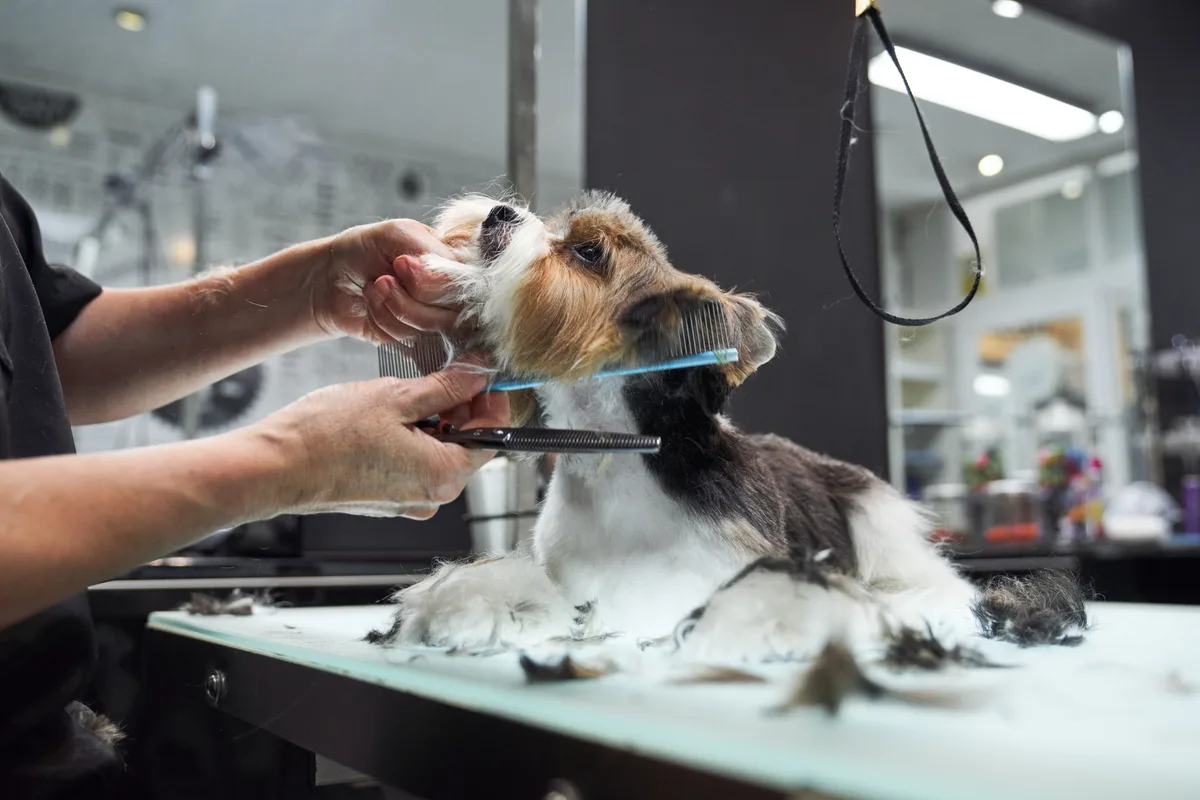
A groomer paid a share of the ticket is still an employee if the shop controls the schedule, sets the prices, and supplies the table and dryers. Ontario's employment standards do not disappear because the pay is commission-based: hours worked must still average out to at least minimum wage, and hours past 44 in a week still owe overtime, regardless of how the commission is structured. On a slow day with few bookings, the commission alone can fall short of that floor, and the employer has to top up the difference — a calculation payroll software will not catch unless hours worked are actually logged, not just tickets completed. Variable commission earnings also complicate statutory holiday pay for commissioned groomers, which the ESA formula bases on average daily wages over the prior four weeks rather than a flat day rate.
Table renters are off payroll only if the facts support it
A groomer who sets their own hours, brings their own tools, keeps their own client list, and simply pays you rent for space can genuinely be a contractor, and stays off your payroll entirely. The test runs on the CRA's employee-or-contractor factors — control, ownership of tools, and risk of profit or loss — not on what the rental agreement calls them. One thing worth stating plainly: unlike hairdressing and barbering, which carry their own deemed-employer EI rule for booth renters, grooming has no equivalent carve-out. An ordinary contractor arrangement can hold if it is genuinely one, but a renter who follows your schedule, uses your equipment, and answers to your manager the way an employee would looks like an employee to the CRA regardless of the invoice they submit each month.
The holiday surge means fast hiring and fast ROEs
Boarding demand spikes hard around the December holidays, March break, and summer, and most kennels answer with short-term or casual staff rather than year-round headcount. That means onboarding quickly — TD1 forms, a real hire date, correct hours from day one — and then issuing a Record of Employment with the right reason code the moment the surge ends, not weeks later when someone remembers. Bite and scratch risk also puts kennel and bathing roles in a genuinely real WSIB premium category; if you have not confirmed WSIB coverage for these roles specifically, that is worth doing before the next seasonal peak, not during it.
Tips move through payroll only when you control them
A cash tip a client hands directly to a groomer never touches your payroll. A tip added to the card total and pooled or distributed by the shop is different — it becomes pensionable and insurable once you control how it is split, which means CPP and EI apply and it needs to flow through the pay run rather than an envelope at close. Boarding staff who occasionally receive tips from grateful pet owners fall under the same rule: control decides the payroll treatment, not the source of the money.
Growth eventually brings the Employer Health Tax into view
A single-location grooming or boarding business with modest payroll may sit under Ontario's Employer Health Tax exemption threshold and never think about it. Add a second location, a busy boarding season with several kennel staff on the books, or a run of good years, and total Ontario remuneration can cross that threshold — at which point EHT becomes a real line item to budget for, not a surprise on next year's return. It is worth checking annually rather than assuming last year's payroll size still applies.
| Role | On payroll? | What to watch |
|---|---|---|
| Commission groomer | Yes | Minimum-wage top-up, overtime past 44 hours |
| Hourly bather or kennel staff | Yes | Seasonal ramp-up, WSIB classification for the role |
| Table renter | Only if control test fails | A signed rental agreement that matches reality |
Getting these three models right on paper avoids the two failure modes we see most: an employee misclassified as a table renter surfacing during a CRA or WSIB review, and a commission groomer's pay that quietly falls below the ESA floor in a slow week. Our payroll service runs the pay cycle against all three at once so nothing is assumed.
Common questions.
Do commission-paid groomers still need to earn minimum wage?
Yes. Ontario employment standards require total pay to average at least minimum wage for hours worked, no matter how the pay is structured, and overtime still applies past 44 hours in a week.
Are our table renters employees or contractors for payroll?
It comes down to control, tools, and risk of loss, not the label in the rental agreement. Grooming has no automatic deemed-employer rule like hairdressing does, so a genuine independent renter can stay off payroll.
How do we handle payroll for seasonal boarding staff?
Onboard them properly from day one — TD1, hire date, accurate hours — and issue a Record of Employment with the correct reason code as soon as the holiday surge ends.
Related reading
Pay every model correctly, every cycle.
Book a consultation and get a plain answer on exactly what applies to you.