
Who We Help · Pet Groomers & Boarding · Incorporation
Should a grooming salon or boarding kennel incorporate?
For most grooming and boarding businesses, the case for incorporating starts with liability, not tax rate. Animals in your care can be injured, escape, or bite a staff member or another client, and a corporation puts a legal separation between those risks and your personal assets. A seasonal profit pattern adds a second, purely financial reason once the business retains more than the owner needs to draw out personally.
By the AnalytIQ Accounting team · Last reviewed: August 12, 2026
Liability is the first reason, not the tax rate
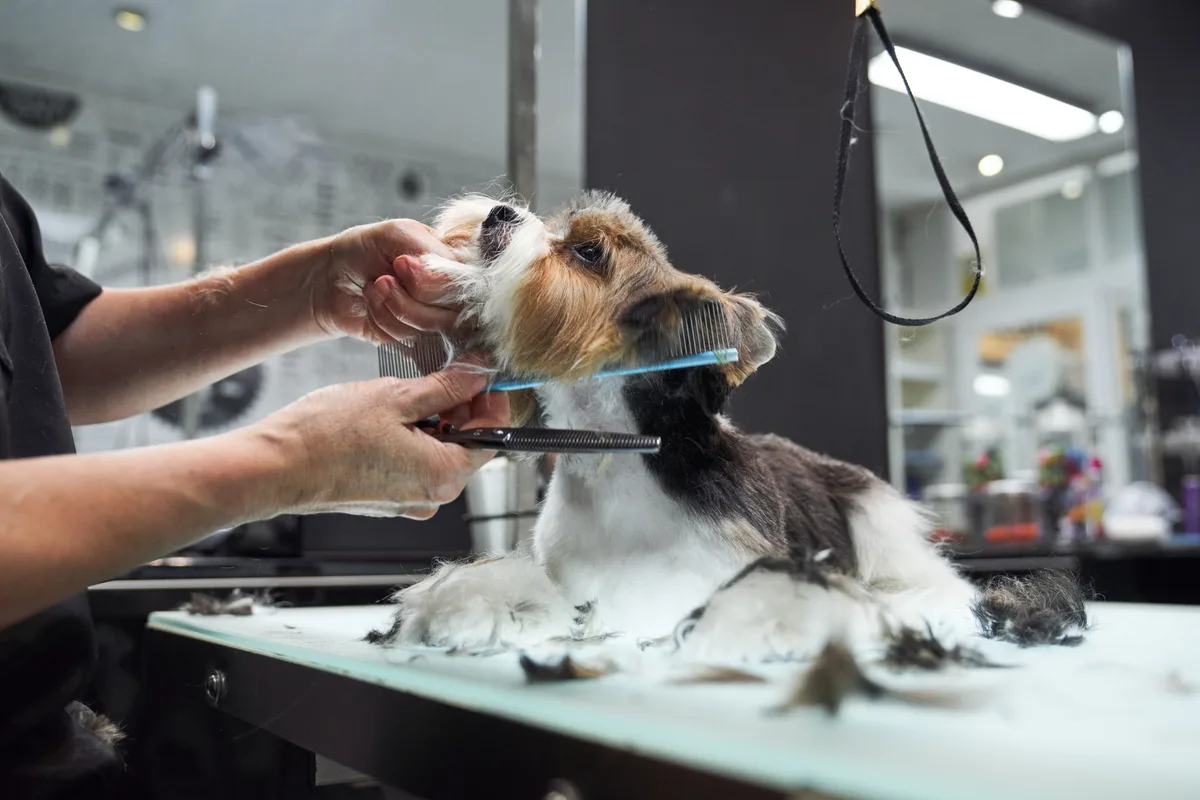
A boarding kennel or grooming table carries genuine physical risk: a dog fight between boarders, a nick during a groom, a slip on a wet floor. Incorporating creates a legal wall between the corporation's liabilities and the owner's personal assets, so a lawsuit or a large claim generally reaches the business rather than the house. That protection has limits — it does not replace liability insurance, and a director can still be personally exposed for certain statutory obligations like unremitted source deductions — but it is real, and it is usually the first thing worth discussing before pricing or tax comes up. A single-location shop with a modest client base and no staff may reasonably decide the liability case alone is not yet enough to justify the added compliance, and that is a fair call too — the answer changes quickly, though, the day you hire your first employee or add a boarding wing.
Incorporating changes who the kennel licence belongs to
Municipal kennel and boarding licences are issued to a specific operator, and incorporating mid-operation means updating that licence, your lease, your insurance, and your supplier accounts to the new legal name. It is a small administrative project, but skipping it leaves the licence attached to a person or a name that no longer legally runs the business — worth doing properly the same month you incorporate, not sometime after. The same applies to any vehicle registrations for a mobile grooming van, since those also need to sit under the correct legal owner, and to the merchant account processing your card payments, which most processors will not simply reassign without new paperwork.
There is no professional corporation option here
Unlike a dentist or a lawyer, a groomer or kennel operator is not a member of a regulated profession, so there is no professional corporation to consider and no governing body restricting share ownership. An ordinary business corporation is the only structure on the table, which actually makes the decision simpler — it comes down to liability, tax timing, and future sale planning, with none of the professional-corporation naming and ownership rules that complicate incorporation for regulated practices. Combining grooming, boarding, and retail under one corporation is normal, and only worth splitting into separate entities once a franchise agreement or a second, meaningfully distinct location makes a clean split genuinely useful.
Retained earnings smooth a seasonal business
A calendar that runs full over the holidays and quiet in late winter creates an unusual tax opportunity: profit earned during the busy months can be retained inside the corporation and taxed at the lower small business rate, rather than pulled out personally in one lump that pushes the owner into a higher personal bracket for that year. The corporation then funds the quiet months from what it retained, and the owner draws salary or dividends on a schedule that matches actual need rather than when the cash happened to arrive. Whether incorporating makes sense for your business generally depends on how much profit the business keeps beyond what you need to live on, and for a shop still reinvesting most of what it earns into equipment and staff, incorporating usually pays off sooner than owners expect.
Selling the shop later favours having incorporated early
A grooming or boarding business built around a good location, a loyal client list, and a reliable staff team can carry real goodwill value at sale, and selling shares of a corporation rather than the assets directly opens the door to the lifetime capital gains exemption on the sale, subject to holding-period and active-business conditions. That structure is far easier to put in place years before a sale than in the months leading up to one, which is the argument for deciding early rather than waiting until an offer is on the table. A buyer taking over an existing boarding or grooming client list also generally prefers to acquire a clean corporation rather than negotiate a private asset sale piece by piece, and a shop with several years of clean financial statements behind it is simply easier to value and easier to finance for a buyer than one still operating as an unincorporated sole proprietorship.
Common questions.
Does incorporating protect us if a dog is injured while boarding?
It separates the corporation’s liabilities from your personal assets, which is real protection, but it does not replace liability insurance and does not shield every personal obligation, such as unremitted payroll deductions.
Do we need to update our kennel licence if we incorporate?
Yes. The licence, lease, insurance, and supplier accounts should all be updated to the corporation’s legal name at the time you incorporate, not left under the previous operator’s name.
When does incorporating start to save real tax for a seasonal grooming business?
Once the business retains profit beyond what the owner needs to draw personally, since that retained profit is taxed at the lower small business corporate rate instead of the owner’s full personal rate in the year it was earned.
Related reading
Structure the business around its real risks.
Book a consultation and get a plain answer on exactly what applies to you.